
Sustainable living focuses on using fewer resources while maintaining a comfortable, functional home. Practical improvements such as better insulation, efficient appliances, and careful water use can reduce energy demand and waste. This blog outlines specific upgrades that homeowners can consider when planning to lower their environmental footprint in a steady, manageable way.
Improve Home Insulation
One of the most effective changes a homeowner can make is improving insulation. Poor insulation leads to energy loss, which forces heating and cooling systems to work harder. Adding spray foam in attics or replacing aging fiberglass batts with higher R-value options reduces energy waste. Companies like Insulation Commandos specialize in these upgrades and help ensure that conditioned air stays where it’s needed. A properly insulated home requires less energy to maintain a stable indoor temperature year-round.
Replace Your Old Appliances
Replacing old appliances with new energy-efficient ones will greatly reduce how much electricity you use. Energy Star-rated appliances will consume less energy and still perform just as well. The newer versions of most of your appliances, such as refrigerators, dishwashers, washing machines, and air conditioning, all have built-in energy-saving features like automatic load sensing or inverter motors. Not only will they save you money on your utilities, but they will also reduce the amount of energy being pulled from the power grid. Newer models have far better efficiency ratings than models from ten years ago.
Switch to Smart Thermostats
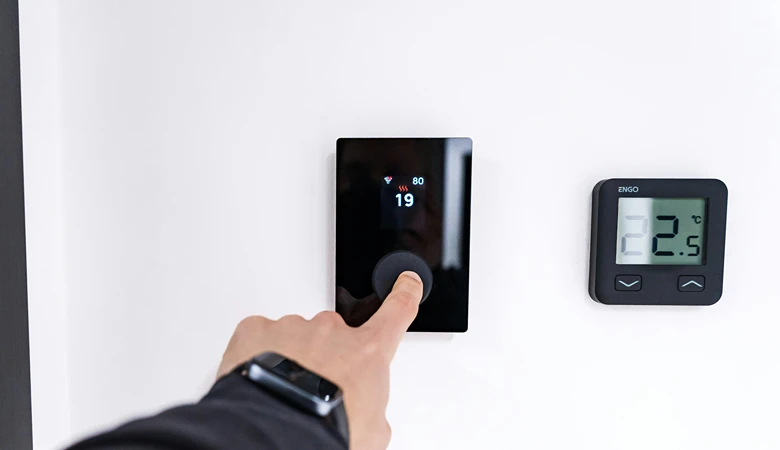
Smart thermostats help you to avoid using unnecessary amounts of energy by learning your daily usage patterns and adjusting the temperature setting based on those patterns. Smart thermostats also allow you to control the temperature of your home via remote access through your smartphone. Many models provide real-time tracking of your energy consumption so you can see exactly what you are using, and you can make adjustments accordingly. Many of the smart thermostat systems can be integrated into other smart devices to increase the efficiency of your entire household. In many cases, your local utility company will offer rebates if you install one of their approved smart thermostats, which can offset some of the initial cost.
Reduce Your Household Waste
Your environmental footprint encompasses more than simply reducing your energy usage. Another important component of lowering your environmental footprint is reducing the amount of waste produced in your household. Easy changes include starting a compost pile for your food waste, switching to reusable containers, and avoiding products packaged in single-use plastic packaging. Many cities now have curbside composting and increased recycling opportunities. Additionally, consumers can look for products that have minimal packaging and contain recycled materials to support the principles of a circular economy. Waste reduction begins with the purchases you make and continues with the way you dispose of them.
Replace High-Flow Fixtures with Low-Flow Ones
Another area where you can contribute to sustainability is by conserving water. Using low-flow faucet heads, shower heads, and dual flush toilets uses less water for everyday activities and still performs well. All of these fixtures will decrease the total amount of water consumed for things like bath time, hand washing dishes, etc. Since there is less hot water being used, there is also less energy required to heat the hot water. Homes that would benefit from using tankless water heaters do so because they eliminate the standby energy loss and only produce heat when you need it. Replacing your high-flow fixtures with low-flow ones will make a big difference in the long run.
Use More Sustainable Materials During Renovations
Choices you make for materials during renovations and construction will affect the environment. Choosing materials that are durable and sustainably sourced will require fewer replacements, and therefore, less energy and resources will be used over time. There are many alternative materials available today, including bamboo flooring, recycled steel, reclaimed wood, and low-VOC paints that meet or exceed the quality of traditional options. Choosing materials that are locally sourced will minimize transportation emissions and support local economies. Not only do sustainable materials add value to your home, but they also extend the life of the home itself.
Lowering your footprint involves practical changes to how a home is built, maintained, and used. Improvements like insulation upgrades, energy-efficient appliances, and smart water use are accessible steps with lasting impact. Small choices in materials and waste habits also contribute meaningfully. Sustainable living is a result of deliberate, informed decisions that accumulate over time.
Feature image from Pexels.com.
We hope you enjoyed reading “Sustainable Living Improvements That Lower Your Footprint”. Click here for more articles about your home and garden, and here for our articles on energy efficiency.

