

If you are going to drive a vehicle on public roads, it’s hugely important to make sure that you are doing so as responsibly as possible. But what does this really mean? Driving is something most of us do so often that it becomes second nature. The daily commute, the school run, or the quick trip to the supermarket can easily turn into a routine. Yet behind the wheel of a vehicle weighing over a tonne and travelling at speed, responsibility matters more than familiarity. Being a responsible driver isn’t just about following the rules of the road; it’s about maintaining awareness, looking after your vehicle, and considering the safety of everyone around you.
When drivers take this responsibility seriously, roads become safer for pedestrians, cyclists, passengers, and other motorists alike.
Understanding Your Responsibility on the Road
Every time you drive, you are making decisions that affect other people. Responsible driving begins with recognising this fact. The rules laid out in the Highway Code exist to create a shared system of expectations so everyone can move safely.
Following speed limits, stopping at lights, and giving way when required may seem obvious, but these behaviours form the foundation of safe roads. Problems often arise when drivers become complacent or assume they know better. Responsible drivers avoid unnecessary risks and accept that patience and caution are part of the role. Driving responsibly also means planning ahead. Leaving earlier to avoid rushing, checking traffic updates before a journey, and being prepared for poor weather can prevent dangerous situations before they happen.
Stay Focused and Avoid Distractions
One of the most common causes of accidents today is distraction. Modern vehicles are comfortable and packed with technology, but these features can easily divert attention away from the road.
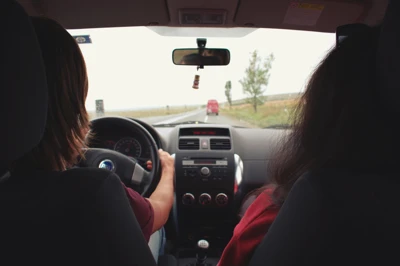
Phones are the most obvious culprit. Even a quick glance at a notification can take your eyes off the road long enough for something unexpected to occur. In the UK, using a phone while driving is illegal unless it is completely hands-free, and even then, it should be used sparingly. Responsible drivers treat driving as their primary task. They avoid texting, scrolling, or adjusting complicated settings while the vehicle is moving. If something requires attention, the safest choice is simply to pull over. Passengers, food, and loud music can also become distractions. Being mindful of these factors helps maintain full awareness of the road.
Maintain a Safe Distance and Anticipate Hazards
Defensive driving is a key part of responsibility. Rather than reacting to problems after they occur, good drivers anticipate what could happen and adjust accordingly.
Maintaining a safe following distance gives you time to react if the vehicle ahead brakes suddenly. In poor weather conditions like rain or fog, this distance should increase further. The extra space allows you to slow gradually instead of making sudden movements that could lead to collisions. Observing the behaviour of other road users is equally important. Cyclists may need room to manoeuvre around potholes, pedestrians may step out unexpectedly, and other drivers might make mistakes. Responsible driving involves being prepared for these possibilities and responding calmly rather than aggressively.
Keep Your Vehicle Well-Maintained
A responsible driver also understands that road safety depends on the condition of the vehicle itself. Regular maintenance ensures your car performs reliably and reduces the risk of mechanical failures while driving. Checking oil levels, brake performance, and lights should be part of routine care. Small issues can quickly become serious problems if ignored. Something as simple as a burnt-out headlight can reduce visibility and increase the chance of an accident.
Tyres are especially important. They are the only part of the vehicle that actually touches the road, and their condition directly affects grip, braking distance, and stability. Drivers should regularly inspect tyres for wear, damage, and correct pressure.
If the tread depth becomes too low or the tyre shows signs of cracking or bulging, it is time to replace it. Changing tyres when necessary ensures your vehicle maintains proper traction, particularly in wet or icy conditions. Waiting too long to do so increases the likelihood of skidding or losing control. You might want to call mobile tyre fitting professionals to help you with this, at least the first time. Responsible drivers treat tyre maintenance not as an inconvenience but as a fundamental safety measure.
Adapt to Weather and Road Conditions
Weather can transform a familiar road into a challenging environment within minutes. Rain, fog, snow, and ice all reduce visibility and traction, requiring drivers to adapt their behaviour accordingly. In wet conditions, slowing down helps prevent aquaplaning and improves braking distance. During fog, using appropriate lights and reducing speed ensures you can react safely to what lies ahead.
Winter conditions demand even more caution. Ice may be invisible on the road surface, especially in shaded areas. Responsible drivers remain alert, avoid sudden braking, and maintain gentle steering inputs. Even bright sunshine can create hazards by causing glare. Wearing sunglasses and keeping your windscreen clean helps maintain clear vision.

Stay Calm and Respectful
Road rage and aggressive driving create unnecessary danger. Responsible drivers understand that frustration solves nothing and often escalates situations. Someone cutting in front of you or driving slowly may be irritating, but reacting aggressively only increases risk. Staying calm, allowing other’s space, and focusing on your own driving helps maintain safety for everyone involved. Courtesy goes a long way on the road. Simple gestures such as letting another vehicle merge or acknowledging a pedestrian crossing can make driving more cooperative and less stressful for all.
Responsible Driving Is a Daily Choice
Becoming a responsible driver is not a single decision but a habit formed over time. It involves staying attentive, maintaining your vehicle properly, respecting other road users, and adapting to changing conditions. When drivers treat every journey as an opportunity to act thoughtfully and safely, the roads become more predictable and secure. The effort required is small, but the impact can be enormous.
Responsible driving ultimately comes down to recognising that every action behind the wheel matters – not only for your own safety, but for everyone sharing the road with you.
Feature image by Ron Lach on pexels.com.
We hope you enjoyed reading “How To Be A More Responsible Driver”. Click here for more of our motoring articles.

