
Is there any better feeling than finally seeing the sun after a long winter? The flowers are in bloom, our moods feel so much lighter, and there’s even the sweet reality of weather that’s already allowing us to ditch those winter coats.
Unsurprisingly, the last few weeks have seen us all heading outside to soak up that much-needed vitamin D. Even if you haven’t headed to the garden yet, we’re betting that’ll change over the upcoming bank holiday. But be prepared – the first garden outing of the year isn’t always as relaxing as you might expect it to be.
In fact, you’ll probably have been on that sun lounger for less than ten minutes before you’re jumping out of it again, and noticing more than a few jobs that need your attention. Keep on reading as we consider just a few external issues that will probably catch your eye when you finally head outside.
# 1 – Lasting Winter Damage
Our winters are getting undeniably harsher, with colder snaps, wild winds, and a whole lot more rain. This can cause untold damage to our gardens, some of which is obvious (think broken down fences and missing roof tiles), and much of which is far more hidden (e.g., secret leaks or underground damage). Unfortunately, those more hidden issues often tend to be the ones that are left to grow and worsen all winter long, and you’ll probably notice them quite soon after setting up your outdoor seating.
Particular lasting winter damage to look out for includes waterlogging, which can leave your lawn so wet all winter long that it might begin to rot come spring. Sure signs of this problem include standing puddles, a spongy texture, and grass that’s not looking quite as green or luscious as it should. Keeping your lawn as clear as possible, and improving drainage (even if that means simply aerating with a garden fork) is key before you can actually enjoy your spring-soaked garden.
You may also notice issues with your roof, which could include anything from missing roof tiles you didn’t previously know about to visible leaks and guttering issues. Even if you simply suspect problems, investing in a professional roof inspection can help to highlight issues with everything from your leadwork to your roof structure and beyond. If anything comes to light, you should seek professional roof repairs so that you’re not constantly worrying about these issues as soon as you sit back to enjoy the sun.
# 2- Plant Damage
Spring should be the time when your flowers finally start to flourish again, but what should you do if that isn’t the case? There are countless reasons why flowers might not sprout as they should in spring, and a lot of this is something you can take steps to rectify.
Most obviously, removing weeds as quickly as possible will help here, but that isn’t enough in itself unless you want to spend the entirety of the warmer months on your hands and knees. You’ll also want to take preventative measures, such as adding a 5-10 layer of mulch or laying down protective coverings like burlap.
It’s also essential to take immediate action if you notice pests (more on that later) or visible signs of damage, such as rusty patches or powdery mildew. Addressing these issues could not only be a saving grace for spring growth, but it also ensures a healthy garden all summer long. Key steps to take include regular pruning, improved garden hygiene (such as removing diseased plants), and generally keeping your tools cleaner as you work.
# 3 – Overflows From Last Summer
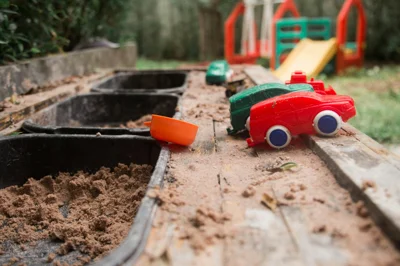
You can’t exactly prepare your garden for the nice weather if you’re still dealing with an overflow of clutter from last summer. Old plant pots, unwanted garden furniture, and those old summer garden toys are all outdoor eyesores that you’ll want to get sorted sooner rather than later.
To do this, you should first be realistic about what you’re actually going to use again. For instance, there are steps you could take to clean up old garden furniture for another summer, and doing so could lead you to a surprisingly sleek outdoor setup in a short amount of time. The same is true for a lot of outdoor toys, such as old slides and Wendy houses, which can scrub up surprisingly well in an afternoon.
But, it’s also vital to know when overflow would be better heading to the tip. For instance, broken toys and old paddling pools tend to be beyond repair and should go straight in your car boot. Equally, you might be better off getting rid of furniture with clear signs of rot or broken pieces, unless you fancy a DIY project this spring!
# 4 – Sure Signs of Pests
But what if your garden looks perfect, your flowers have bloomed as they should, and your roof is all in one piece, even post-winter? You might think you can sit back, but think again, because spring is also prime pest season, and they could well move into your garden.
Obviously, chewed leaves and stunted growth can all be signs of pests like slugs and caterpillars, which, while small, can deal a mighty blow to plant growth. If you notice these telltale signs, the best way to protect your summer plants isn’t actually to implement pesticides. In fact, you can preserve your garden far more effectively with natural solutions, like pest-repelling planting, crop rotation, and applying compost for soil health.
Remember, too, that larger pests might also move into your garden at breeding time, and they pose a notable risk to your home itself. Signs like burrows, chewed vegetation, and evident droppings can all signify rat infestations, and will likely require professional attention and preventative measures to keep this space safe and usable come summer.
Your garden might have gone a little wild in winter, but you can enjoy it during spring and summer by addressing these issues as soon as you notice them.
Feature image by Kaboom Pics on pexels.com.
We hope you enjoyed reading “External Issues That Are Sure To Come To Your Attention As The Sun Starts To Draw You Outside”. Click here for more articles about your home and garden.

