
Choosing the best vehicle for your business can be tricky. It needs to be something affordable that enhances your professional image while meeting your practical needs. In this guide, we’ll look at some of the important factors to weigh up.
What do you need the vehicle for?
Start by thinking about how you are going to use the vehicle. How many miles will you cover in a typical week? Will you mostly be driving on motorways, tight city streets or rural country lanes? Will you be carrying tools, heavy goods or passengers? By thinking first about the load capacity, towing requirements and range, you can start to rule out some of the least practical choices.
What size and body shape is right for you?
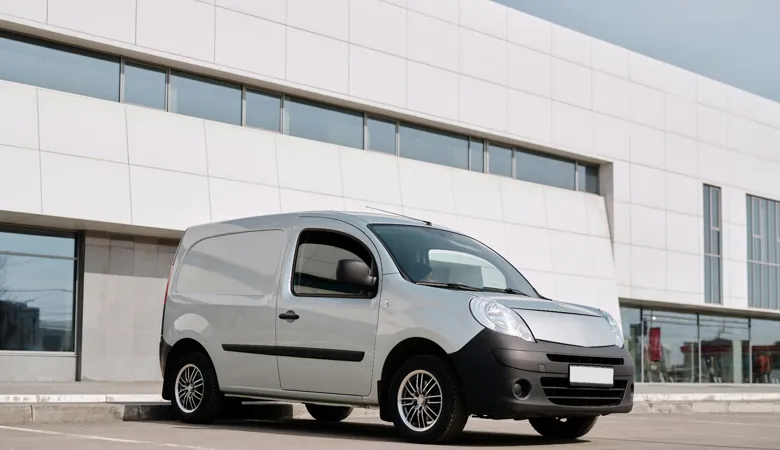
Different types of vehicles have different looks and may be better for certain environments. A compact van may be great for city-based trades, while a larger panel van may be better suited to couriers or construction companies carrying bulky materials. A pickup truck can work brilliantly if you need to combine off-road capability, towing and a professional image on-site. However, it might be a nightmare to drive if you spend most of your time on narrow urban roads or in multi-storey car parks.
What about fuel and environmental impact?
Both fuel and environmental impact affect running costs and where you’re allowed to drive. Electric vehicles have become a popular option due to often qualifying for lower benefit-in-kind tax and congestion charge exemption, while also costing very little to fuel and maintain. The downside is that they have a limited range, making them better suited to short drives. Diesel vehicles, on the other hand, are well-suited to high-mileage motorway drivers, but can face restrictions in many UK cities.

What is the total cost of ownership?
Total cost of ownership is more important than the headline price. When comparing options, make sure to factor in finance/lease payments, insurance, road tax, servicing, repairs and expected depreciation. If you’re VAT-registered, think about how reclaiming VAT affects the real cost. A slightly more expensive vehicle that’s cheaper to run and holds its value better can often be the smarter long-term choice.
How much flexibility do you need?
Buying a vehicle outright or on finance gives you an asset that you can keep for years, but it’s also more of a financial tie. Leasing allows you to acquire another vehicle every couple of years and can reduce repairs. For seasonal work, short or long-term van hire can be ideal. Just remember that if you are leasing or hiring a vehicle, you won’t be able to make any permanent modifications. Options like vinyl wrapping for branding are still feasible.
What about safety and technology?
Finally, think about safety and technology. Modern vehicles come with advanced safety features like autonomous emergency braking, lane-keeping assistance and blind spot monitoring, which protect both your staff and the public. Good connectivity and sat-nav make all the difference too if you and your team spend hours on the road and are constantly visiting new locations. Take your time to compare the quality of these features.
Feature image by Norma Mortensen on Pexels.
We hope you enjoyed reading “How To Choose The Best Vehicle For Your Business”. Click here for more of our motoring-related articles.

