

How well do you really know the objects you use every day? This month’s Do You Know rounds up 20 small design stories hiding behind ordinary things, from jeans pockets to paperclips.
Everyday Objects, Unexpected Histories
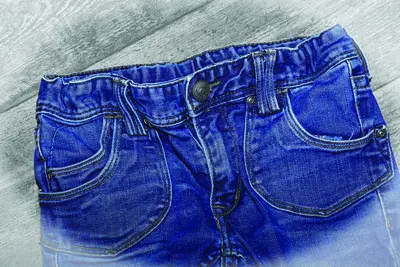
1. That tiny pocket on your jeans has a real purpose. In fact, nineteenth-century tailors originally designed it to hold a pocket watch.
2. The hole in many ballpoint pen caps is a genuine safety feature. It lets some air through if someone accidentally swallows the cap.
3. People once clipped tiny amounts of precious metal from gold and silver coins. As a result, milled edges made tampering easier to spot.
4. Men’s and women’s shirts traditionally button on opposite sides. One popular explanation says servants often dressed wealthy women, while men usually dressed themselves.
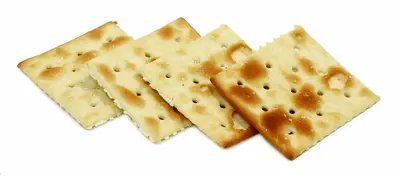
5. The holes in crackers serve a purpose too. Bakers call them docking holes, and as a result, steam escapes during baking, keeping crackers flat and crisp.
Would You Have Guessed It?
6. People didn’t always smile for photographs. However, long exposure times made a relaxed, neutral expression much easier to hold.
7. The little number inside a plastic recycling triangle doesn’t show how many times an item has been recycled. Instead, it’s a resin identification code showing the type of plastic.
8. Wine bottles often have an indentation in the base called a punt. Historians still debate its exact origin, and it can also strengthen the bottle and help it stand steadily.
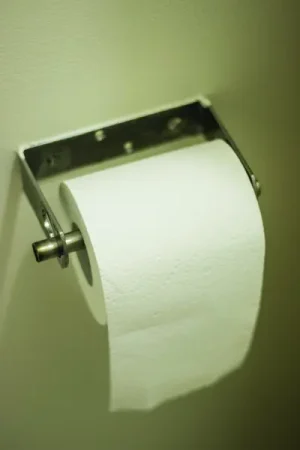
9. An inventor patented toilet paper on a roll back in the 1890s. The original patent drawing showed the paper hanging over the roll rather than under it, useful ammunition for a surprisingly enduring household argument.
10. Forks took centuries to become normal at Western dining tables. People in parts of Europe once regarded them with real suspicion.
There’s a Name for Everything
11. Frustration inspired the bendy drinking straw. After watching his young daughter struggle with a straight one, Joseph Friedman patented a flexible version in the 1930s.

12. People often call the cardboard sleeve around a takeaway coffee cup a zarf. A zarf was originally an ornamental holder for a handleless coffee cup.
13. Manufacturers invented the tin can before anyone had a practical can opener. Consequently, early shoppers had to open canned food with knives, chisels or even hammers.
14. Walter Hunt patented the modern safety pin in 1849. He reportedly devised it while trying to raise money to pay off a debt.
15. Tradition links the sandwich to the Earl of Sandwich. As the story goes, John Montagu wanted food he could eat without leaving the gaming table.
Mind-Boggling Origin Stories
16. Brothers John and Will Kellogg developed cornflakes while experimenting with cereal foods. Together, they created toasted corn flakes at a health institution in Michigan in the late nineteenth century.
17. Thomas Edison didn’t actually invent the first electric light bulb. Several inventors contributed to electric lighting before Edison and his team developed a commercially practical version.
18. High heels weren’t originally just women’s fashion. Persian horsemen and later European aristocrats also wore heeled footwear.
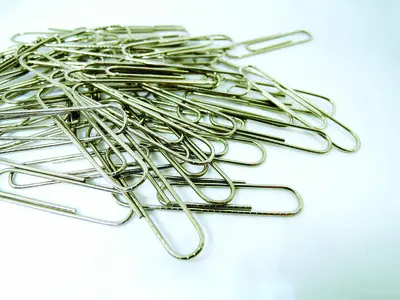
19. Still, nobody can claim sole credit for the familiar Gem paperclip. It emerged in the late nineteenth century, and its simple looped-wire shape has barely needed changing.
20. A frequently injured wife inspired the modern plaster. Earle Dickson created an early ready-to-use adhesive bandage because his wife Josephine often cut or burned herself while cooking.
We hope you enjoyed reading these surprising stories behind everyday objects. Click here for more articles about local interest and fun facts around Wrexham.

