
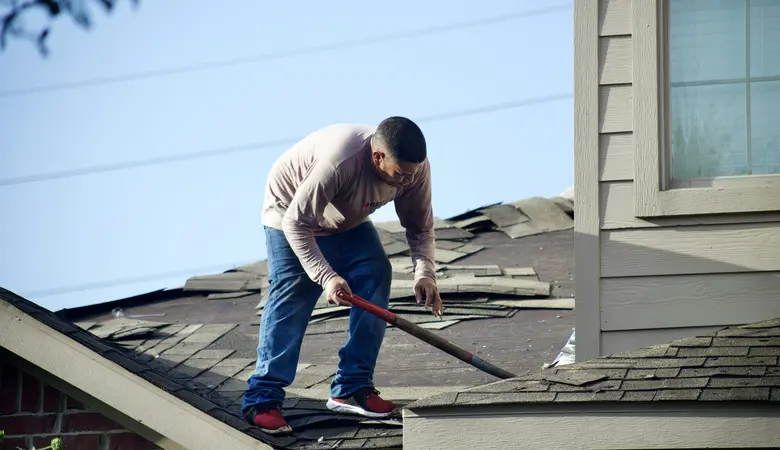
Every homeowner eventually wonders about their roof. Is that little drip just a small annoyance, or a sign of something much bigger? Is your roof simply dirty, or is it actually on its last legs? Figuring out whether to fix up your current roof or go for a full replacement can feel like a huge decision. But don’t worry, understanding what’s going on up there and knowing your options is the first step to keeping your home safe and sound. This guide will walk you through the main things to think about, helping you pick the best path forward for your place.
How Long Do Roofs Really Last?
A roof’s lifespan isn’t a one-size-fits-all thing; it really depends on what it’s made of and the kind of weather it has to put up with. Take standard asphalt shingles, for example, which you see on lots of homes. They usually last about 15 to 20 years. But then you have tougher materials like metal or clay tiles, which can protect a house for 50 years or even more! Checking the average lifespan of roofing materials is a good starting point, but local weather plays a huge role. Constant sun, heavy rain, or strong winds can really speed up wear and tear, cutting short any roof’s expected life. Knowing how old your roof is and what it’s made from gives you a good idea of whether you should be thinking about small fixes or a bigger project.
Could Restoration Be the Answer?
If your roof is still structurally sound but just looks a bit tired – maybe some surface rust, faded color, or a few minor leaks – then restoration might be a fantastic middle-ground solution. Roof restoration is more than just patching things up. It’s a thorough process that usually involves a deep clean, fixing any damaged spots or loose bits, and then putting on a protective coating or membrane. This doesn’t just sort out existing problems; it also significantly extends the life of your current roof. It’s often a much cheaper option than a full replacement, sometimes costing less than half the price. Professional roofing services can check your roof to see if it’s a good candidate for restoration. Plus, it can even make your home more energy-efficient and boost its curb appeal!
When Replacement Is Necessary
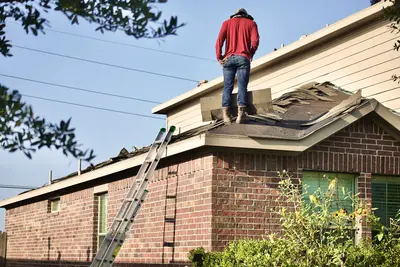
Sometimes, a roof is simply too old or too damaged for restoration to be a practical choice. If your roof has reached or gone past its expected lifespan, replacing it is often the smartest long-term move. You’ll definitely know it’s time for a replacement if you’re dealing with widespread and constant leaks, a noticeable sag in the roof deck, or lots of damage to the roofing materials, like cracked, curled, or missing shingles all over the place. These are often signs of structural roof damage that a simple patch-up just won’t fix. Ignoring these kinds of problems can lead to much worse issues inside your home, including water damage to ceilings, walls, and even the foundation. In these situations, a new roof is the only way to truly protect your home.
Making the Right Choice
Ultimately, choosing between restoration and replacement boils down to a few key things: how old your roof is, how bad the damage is, and what your budget looks like. The best way to get a clear picture of your roof’s condition is to get a professional inspection. An experienced contractor can spot hidden issues you might not see from the ground.
To help you decide, here are a few points to consider:
- Age: If your roof is fairly new but looks worn, restoration could be perfect. If it’s old, replacement is probably the better investment.
- Damage: Are the problems just in one or two spots, or are they everywhere? Small, localized issues often favor restoration, while extensive damage points towards replacement.
- Budget: Restoration is cheaper upfront. However, if a roof is really on its last legs, paying for restoration might just delay the inevitable cost of a replacement.
Investing in Your Home
Your roof is one of your home’s most important defenses against the weather. Whether you decide to restore it or replace it, you’re making a crucial investment in your property’s safety, strength, and value. A well-kept roof stops expensive water damage, makes your home better insulated and more energy-efficient, and even makes it look nicer. Dealing with roof problems early, instead of waiting for a big disaster, protects your biggest asset and makes sure your home stays a safe and comfy place for years to come.
Taking the time to understand your roof’s condition and check out your options will help you make a confident and smart financial decision. Don’t hesitate to get professional advice to make sure you’re choosing the right solution for your specific situation.
Feature image by Zohair Mirza on Unsplash.
We hope you enjoyed reading “The Lifespan of Your Roof: Replacement vs. Restoration”. Click here for more articles about your home and garden.

