
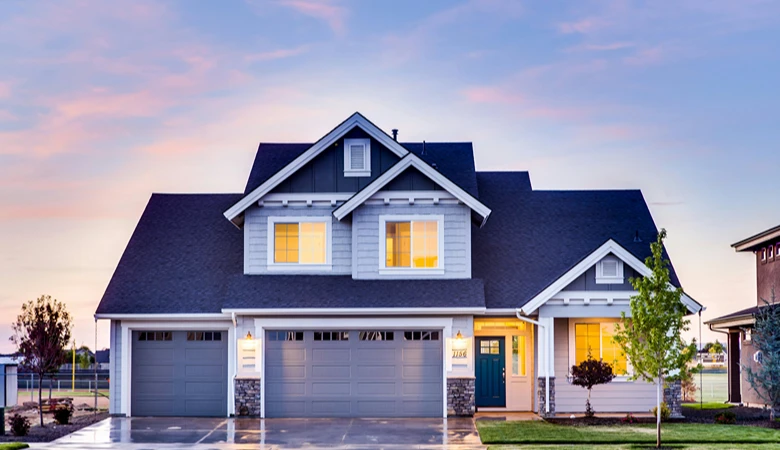
There can come a point when your home starts to feel a little too small or maybe a little too quiet. You might look around and wonder whether it’s time for you to move on or if there are some ways that you can make what you already have work better. It’s not an easy decision, and people struggle with this.
Moving can bring a fresh start, but it also comes with stress and high costs. Staying put means there’s less disruption, but it does mean that you might feel limited by what you’re working with. Let’s have a look at both options: moving versus improving, so that you can make a clearer, more confident choice about what is best for you and your home.
The Case for Moving
Sometimes, no matter how much you rearrange the furniture or repaint the walls, a home just doesn’t fit in with your lifestyle any longer. Maybe your family is growing, you’re working from home often, or you just need a change of scenery. Moving can offer a new beginning. You can pick a home, like these beautiful new homes for sale, that’s better suited to your current situation. You can find something that matches your current lifestyle, such as a larger kitchen, outdoor space, or fewer stairs.
There is also the financial side of things; if your current property has dropped in value at all, then selling could help to free up the money to invest elsewhere or for you to pay off debt. For some people, it is a chance to downsize and simplify their lives.
But before you call the estate agent, think about what moving really means for you and what it involves beyond packing boxes and hiring removers. There is also the stress of buying somewhere new or renting; prices, interest rates, and availability can vary greatly, and you might find yourself compromising more than you might like. Think about what you want from moving, too. Do you want a big house in the country? Or are you looking for a 3 bed apartment in the city? All of this factors into affordability, your job, and your loved ones.
The Case for Staying
If you love your neighbourhood and your home still has great potential, then staying put might just make more sense. Many people find that improving their existing property gives them the space and comfort they need without having to deal with the emotional and financial strain of moving.
Start by having a look at what’s not working in your home. Is it the lack of space, poor layout, or outdated features? Once you know what’s holding you back, you can decide whether you can make a few upgrades and whether they will make a difference.
Updating the kitchen and bathrooms can help bring new life to your home. Improving insulation, adding double glazing, and energy-efficient heating can also make it more comfortable and help you save money in the long run. Even small changes, like improving the lighting in your home or adding more storage, can make a big impact.
Exploring a Home Extension
If space is your main issue, moving might not be the only solution that you can think about. A home extension can be a really practical way for you to gain more room and add long-term value to your property. You can create things like open-plan kitchens and add a new bedroom or build a dedicated office. Extensions come in all shapes and sizes, such as single-story, double-story, side return, and loft conversions.
The right choice is going to depend on the property type that you have, the planning rules that are in your area, and the budget. The benefits are very clear: you get to stay in the location that you love, you don’t have to incur any costs of moving, and you can change your space to match the needs that you have. You also add value to your property, which can pay off if you ever decide to sell your property in the future.
Of course, having an extension does come with its own challenges. You’ll need to make sure that you handle planning permission, find reliable contractors, and budget very carefully. It’s not always something that’s quick or easy, but if it’s done well, it can transform your home and the way that you live.

Comparing the Costs
One of the biggest factors in this decision is money. Moving can be extremely expensive; you have to deal with the estate agent fees, legal costs, stamp duty, surveys, removals, and decorating your new place, and it could all add up extremely quickly. You can easily spend thousands before you have even started to unpack.
Renovation or extension can cost you a lot of money, but at least that money is staying within the property that you already own. You’re investing in something tangible that is going to improve your daily living, and it’s also going to increase your home’s value.
If you’re unsure which is more cost-effective, make a list: estimate what moving costs would be; this is what upgrading or extending would require. Have a look at all the tiny little hidden costs too, such as temporary accommodation, storage, or even adding new furniture. When you see all the numbers side by side, you will be able to see a clear choice.
Updating your Existing Home
Updating your existing home is another strategy you could look into. Changing its appearance or making significant alterations may sway you and make you decide that you want to actually stay.
For example, you could add sliding barn doors to your rooms to give them more character or dormer windows to your attic space. You could include new facilities in your home, like a spa bathroom or a movie theatre, to help you indulge your hobbies or improve your leisure time at weekends. There are all sorts of ways that you can make modifications to get what you want without having to up sticks and go to a completely different place.
Thinking About Lifestyle
Money and space are important, but you also need to think about your lifestyle. Ask yourself what is really bothering you about your current home. Is it the layout, the size, or the location? If it’s the house itself, then getting renovations in your home might be something that sorts out your problems. But if you’re just craving somewhere new, closer to the coast, near family, or even a quieter area, moving might be the better option for you.
It helps to think about the long term, such as what you are going to need in the next few years. For example, if your children are young now, you might value outdoor space more than you will later, or if you are planning to work from home, then having a quieter, more comfortable workspace might become more of a priority.
Decided To Move? Tips For A Seamless Transition
Moving is one of the most stressful life events we undertake, but it doesn’t have to be a nightmare. Simple steps can save time and effort and help you execute a smooth, hassle-free relocation. If you’ve decided to move, here are some top tips for a seamless transition:
Hire Professionals
The best way to streamline your move and free up time is to hire a top-rated moving company. Working with experts enables you to take advantage of purpose-built vehicles and equipment, professional experience and expertise and services, such as packing and unpacking. It’s worth taking your time to research local businesses, compare quotes, and get recommendations via reviews and referrals from friends, colleagues and neighbours.
Build Your Own Home
One sure way to ensure that moving home works out well for you is to build your own home. If you partner up with an award winning home builder and you have clear plans in place, you will find that you are much more likely to end up with a home you love – and that you will want to stay in for much longer. You will also be able to design exactly the place you want to live in.
Create A To-Do List
Creating a to-do list is an easy way to get organised, draw up a timeline and prioritise jobs in the run-up to your move. Start with tasks you can tackle first and urgent jobs, and try to give yourself plenty of time. It’s a good idea to include tasks in your new home, such as cleaning and getting your TV and broadband package sorted. If your house is set up ready for your arrival, this will help you settle in faster.
Label Every Container
Labelling is one of the best ways to make unpacking faster and less arduous. Add notes to every container detailing what’s inside and where the box is going in the new property.
Conclusion
Deciding whether to move or stay isn’t a simple choice, but it’s definitely a good problem to have. It means that you care about how and where you live. Whether you are looking to expand your current home or you want to start fresh somewhere new, you want to make sure that you have a space that supports the life that you want.
Featured image by Binyamin Mellish on unsplash.com.
We hope you enjoyed reading “Should You Move or Stay? Making the Most of Your Current Home”. Click here for more articles about home and garden.

