
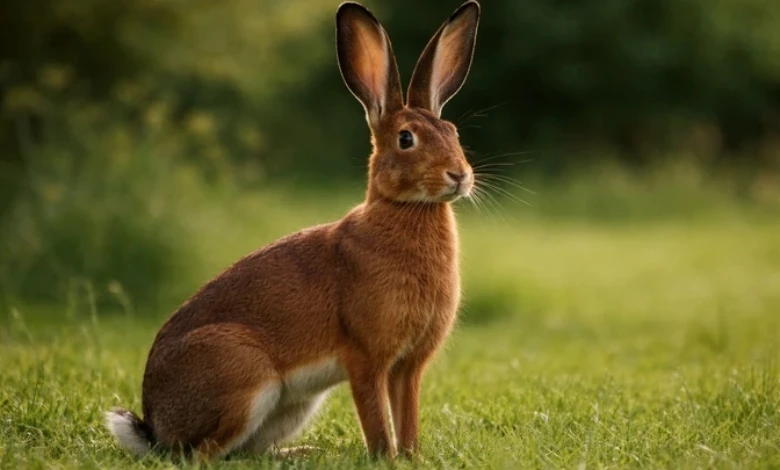
As March arrives in Wrexham, bringing the first hints of spring, our thoughts turn to renewal, energy, and perhaps a touch of madness.
Mad as a March Hare
The old saying “mad as a March hare” comes from the wild European hares that box, leap, and chase each other during mating season at this time of year. While true hares are wild creatures and not suitable as pets, their domesticated cousins, rabbits, share that spirited vibe and make wonderful companions for families. Some rabbit breeds are even “hare-like,” bred to echo the wild hare’s sleek form and agility.
Rabbits are not just cute fluffballs; they are intelligent, social animals with personalities that can rival cats and dogs. Unlike hares, which live solitary lives above ground, pet rabbits are natural burrowers and thrive in safe, cosy environments. With proper care, they can live eight to twelve years, offering long-term companionship while teaching children responsibility. Spring often brings bursts of playful energy, with joyful hops known as “binkies,” making it a great time to focus on exercise and enrichment.

Belgian Hare
One of the most hare-like breeds is the Belgian Hare, selectively bred in the 1800s to resemble its wild namesake. With its long, wiry frame, arched back and bold eyes, it is more athletic than cuddly, ideal for owners who enjoy an active, elegant pet. The Chinchilla rabbit is another option, with an arched body and beautifully ticked fur in grey or blue shades. These breeds are less common than Mini Lops or Dutch rabbits, but are real show-stoppers at exhibitions.
If you’re considering adopting a rabbit this March, start with the basics. Rabbits are best kept indoors to protect them from predators, harsh weather and stress. A spacious hutch or pen is essential, along with daily free-roaming time in a bunny-proofed room filled with hiding spots and tunnels.
Diet
Diet plays a huge role in rabbit health. Around 80–90 per cent of their food should be hay, which supports digestion and keeps teeth worn down naturally. Add fresh vegetables such as kale, romaine lettuce and herbs, with pellets kept to a small portion. Fresh water should always be available, as overfeeding can quickly lead to health problems.
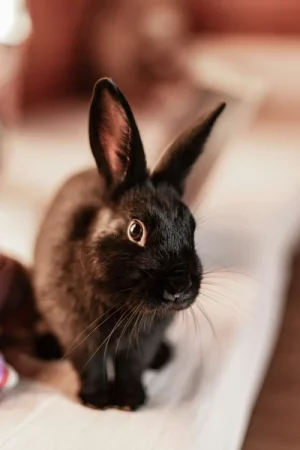
Regular grooming helps prevent hairballs, especially during spring shedding. Nails should be trimmed every four to six weeks, and rabbits should be checked daily for cleanliness to avoid flystrike. Spaying or neutering reduces aggression and serious health risks, while annual vaccinations are vital.
Rabbits are social animals and often happiest in bonded pairs, though they also form strong bonds with humans through gentle interaction. With the right care, a rabbit can bring laughter, calm and companionship into your home — a perfect way to embrace a little March madness, responsibly.
We hope you enjoyed reading “Mad as a March Hare: Hopping into Spring with Rabbits”. Click here for more of our pet articles.

Author: Karen Boyce for Love Wrexham Magazine
Karen Boyce is the founder of Beastly Thoughts Professional Dog Services (BTPDS), established in 2007. As the largest independent dog training facility in Wales, BTPDS specialises in puppy training and managing reactive dogs, while also offering a wide range of obedience classes, lectures, webinars, and online training hubs and communities. In 2019, Karen was honoured as the Animal Star Awards Dog Trainer/Behaviourist of the Year. In 2025, BTPDS surpassed the milestone of training 2,000 puppies and was named the Overall Winner in the Best of North Wales Business Awards, in addition to being recognised as the Best Pet Services Business in North Wales. Contact Details: - Phone: 07970 488 395 - Email: [email protected] - Website: www.beastlythoughts.co.uk