
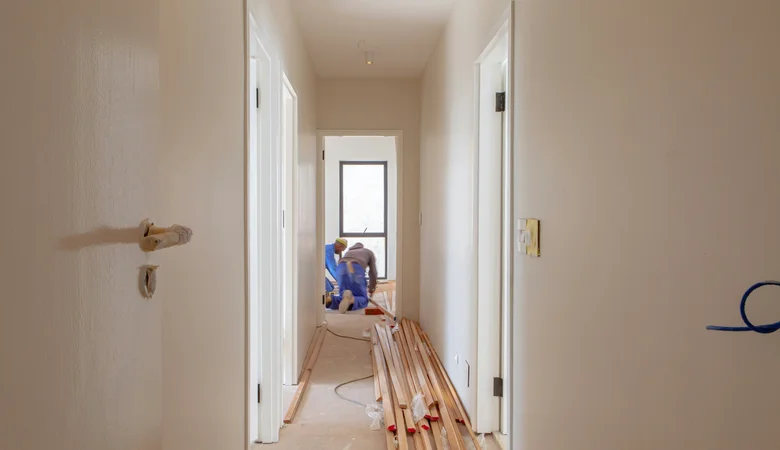
Buying a home feels like the finish line for a lot of people. It’s a gigantic milestone in your life. You finally have your own space, and ideally, it already has everything you need. That’s usually the goal for most people, but in reality, things don’t always work out as you’ve planned them.
Sometimes you settle because the perfect place wasn’t out there. Other times, things just don’t function as well as you thought. And that’s where you start to consider making home renovations. You kind of don’t want to, since you’ve just moved in, but there are things that are bugging you about the house.
Renovations can feel like a big step. It’s overwhelming to think about all of the considerations to keep in mind. Where do you renovate first? How much does it cost? Who do you speak to? Do you need to leave the house? Are there going to be people walking in and out of the home? It’s daunting for sure, so let’s break down your first renovation as a new homeowner.
Why renovations often come sooner than expected
It’s easy to assume that once you’ve moved in, everything will just work as it should, and you’ve got the perfect home. You spent weeks or months, perhaps even years, looking for your place, so surely it’s got everything you need. Sadly, that’s not always the case, and you only start noticing issues with your home once you’ve lived there for a while.
Most of the time, it starts with small things that stand out. Maybe the layout doesn’t quite flow the way you thought it would. Maybe certain rooms feel outdated or awkward to use in practice. And in some cases, perhaps some things need fixing rather than just improving.
That’s usually when people start thinking about changes they could make. Not always massive ones, but enough to make the space feel better suited to how they actually live. And sometimes, those changes grow into bigger plans once you realise what’s possible.
Getting clear on what you actually want to achieve
Before doing anything, it helps to understand why you’re renovating in the first place. Some projects are about comfort. Making the home easier to live in. Others focus on adding property value, especially if you have plans to sell later. And then there are cases where it’s just about fixing things that can’t be ignored. Perhaps structural issues you didn’t expect.
It’s best to start by thinking about what actually bothers you the most in your home. Once you know your priority, it becomes easier to avoid getting distracted by ideas that don’t really serve your main goal. It’s really easy to get sidetracked and to start thinking about so many different kinds of renovation ideas. Thinking about the “why” gets rid of that temptation.
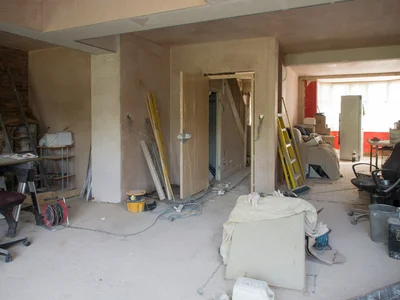
Setting a realistic plan before anything begins
One of the biggest steps is figuring out your renovation budget and being honest about what it needs to cover. The last thing you want is to be hit with a surprise bill at the end of it, or to be shocked by how expensive a renovation can actually get if you’re not careful.
It’s not just the visible changes that you’re making, either. There are always hidden costs that show up once work begins. That’s why it helps to leave some extra room in your budget instead of stretching it too thin from the start.
And then there’s planning the details. Materials, layouts, finishes. It might feel like a lot upfront, but getting those decisions sorted early can save you from delays later on. It also makes it easier to get accurate quotes rather than rough estimates.
Knowing when to DIY and when to bring in help
It’s more common than you think for people to DIY their renovations, and it makes sense if you’re looking at it from a cost-saving perspective. But the reality is that some renovations are best left to the professionals.
Smaller tasks like choosing paint colours or simple decorating can feel manageable. But once things move into structural work, plumbing, or electrical, it’s usually worth getting the right people involved.
Have you ever tried to fix something and realised halfway through that it’s more complicated than expected? That’s the kind of situation you want to avoid on a larger scale. Knowing your limits early can save a lot of time and stress.
Following the right order so nothing gets ruined later
One of the easiest ways to create problems is by doing things in the wrong order. It might seem harmless at first. Painting walls before finishing the floors. Installing fixtures before checking what’s behind them. But these small missteps can lead to rework, which adds time and cost.
So it helps to think of renovations in stages. Start with structure and safety. Then move to layout, like creating an open plan space if that’s part of your goal. And finally, focus on the finishing touches. Getting that sequence right makes everything feel smoother and avoids undoing work you’ve already paid for.
Locking in decisions early to avoid delays
Another common issue is leaving too many decisions open while work is already happening. Contractors need clear instructions to keep things moving. If key details are still undecided, everything slows down. And in some cases, mistakes happen because assumptions have to be made.
Having everything selected early makes such a difference. From fixtures to finishes, it keeps the process flowing and avoids last-minute changes that can throw things off track. It also helps with creating a cleaner process overall. Even something like aiming for a more dust-free renovation becomes easier when everything is planned properly, and work doesn’t need to be redone.
Your first renovation is going to be daunting, but it doesn’t need to be overwhelming. Start with a clear plan. Establish realistic expectations. And plan out the right sequence. These three things will make the entire process so much easier to manage. Take things a step at a time and focus on your reasons for getting a renovation in the first place.
Photo by Jessica Hearn on Unsplash
We hope you enjoyed reading “Breaking Down Your First Home Renovation as a New Homeowner”. Click here for more of our home-related articles.

