
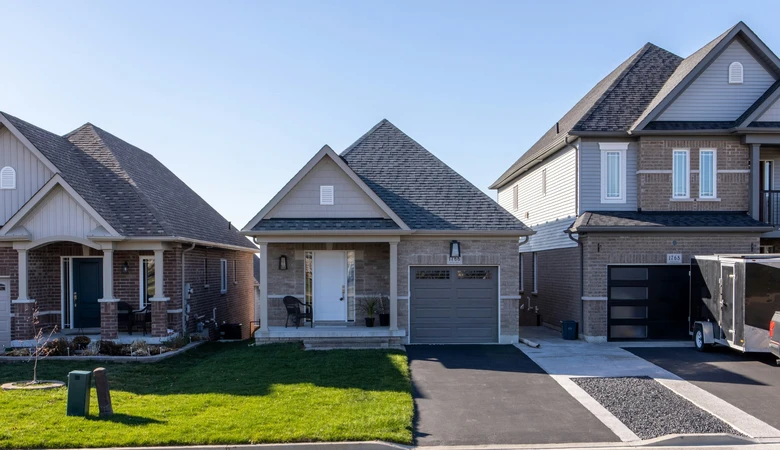
If you’re thinking about buying property, it’s good to know what options are available and how affordable it is, depending, of course, on your own financial situation.
Shared ownership allows you to buy a share of the property, paying rent on the remaining portion. It provides a lower-cost route onto the property ladder.
While it makes homeownership a lot more affordable for some, it does come with specific, and often complex costs that differ from traditional homebuying. Knowing these costs and understanding the true extent of shared ownership will help determine whether this is the right option for you and your household.
Initial Buying Costs to Think About
There’s a deposit of around 5-10% of the share price required, which is not like the full property value that you pay towards in a traditional property purchase.
You make repayments of the mortgage on the share of the property you’re purchasing. There’s typically a reduced rent paid to the housing association on the remaining share, which is usually at a below-market rate.
Stamp duty will depend on the share size and property value. You can pay this in one go on the full market value, or pay only on the initial share, which may defer payments until you end up increasing that ownership.
There’s likely to also be additional costs in terms of service charges and legal/buying fees too. These can often total over £2,000. You’ve also got a reservation fee of up to £500, which you pay to the landlord and is usually deducted from the final amount, upon completion.
Ongoing Monthly Costs
Ongoing monthly costs are something to be aware of, especially as they’re costs you need to be able to afford for the foreseeable future.
Rent
Subsidised rent on the share that you don’t own. This is around 2.5-3% of the remaining value annually.
Service Charge/Management Fee
This covers a maintenance fee of communal areas, buildings insurance and in some cases, a sinking fund for major repairs.
Ground Rent
While being phased out in many cases, ground rent may still apply to some leasehold properties.
Household Bills
Council tax, contents insurance, and utility bills are your responsibility, so it’s imperative that you can pay these.
What To Consider Long-Term
Shared ownership costs are something to be mindful of, not just in the short term but in the long term too. Some considerations regarding long-term finances include:
- Rent increases – Typically reviewed annually based on CPI or RPI inflation
- Staircasing costs – If you buy more shares, you’ll need to pay staircasing costs like an RICS valuation and legal/mortgage fees again.
- Maintenance and repairs – You’re responsible for 100% of the home’s maintenance and repair costs.
- Selling fees – If you sell, you might face marketing fees or admin charges from the housing association to find a buyer.
Shared ownership works for many who are looking to step onto the property ladder, so it’s definitely something to consider and do more research into.
Feature image by Dillon Kydd on Unsplash.
We hope you enjoyed reading “Thinking About Shared Ownership? Here’s What It Really Costs”. Click here for more articles about your home and garden.

