
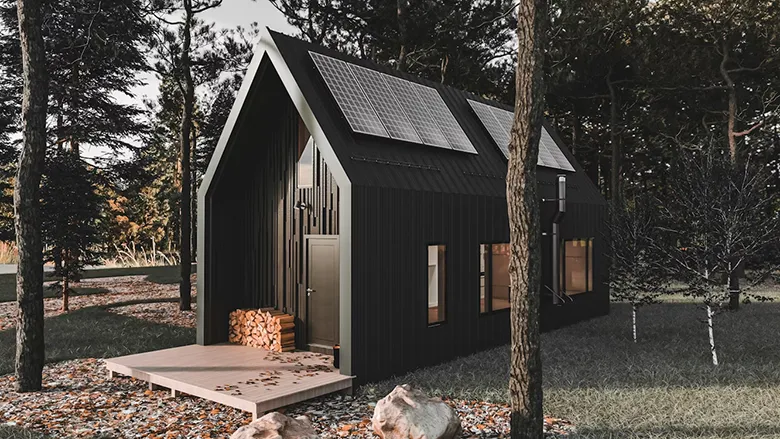
In 2026, off-grid living is moving well beyond its roots as an extreme lifestyle choice for survivalists or those living in remote cabin settings. As energy prices rise, environmentally aware communities grow, and work environments become increasingly flexible, off-grid living will soon be seen as less radical and much more feasible. Off-grid homes are being built around self-sufficiency. These homes offer both comfort and independence. Rather than disengagement from society, they represent a deliberate engagement with the world and our individual relationships with resources, space and control.
Featured image via Unsplash
The Rise of the Mobile Lifestyle
The mobile lifestyle was brought about by the digital nomad revolution. Digital nomads are able to live anywhere with the advent of reliable internet and remote working. Individuals no longer have to be located in an urban centre. An array of options is now available for living on the road – vans, tiny homes and eco-friendly modular structures are just a few examples. Nomadic professionals can travel to new locations each month, such as a coastal cliff one month and a forest clearing the next. In addition, they will still have consistent access to reliable internet and energy. The nomadic lifestyle is changing how people define success and moving away from ownership of property and toward the ability to move freely and experience new things.
Powering Independence with Smart Technology
Energy reliability is at the core of this advancement. In order to make off-grid living viable, it must be possible for a power system to be reliable and flexible. It is here that Victron energy solutions have been playing an increasingly important role. Victron provides high-tech energy solutions to enable the seamless connection of solar panels, battery storage and inverters to provide constant electricity in remote locations. These products are scalable, enabling users to begin with a small installation and then increase as needed. As a result, they offer a stable platform for independent living, whether in a fixed off-grid home or a mobile setup.
Designing for Comfort and Efficiency
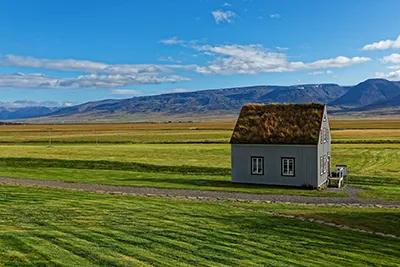
Designing for comfort and efficiency is what today’s off-grid homes are all about. Architects and designers do not compromise on their designs; they design carefully as an environment. Insulation, passive solar heating and layout to maximise natural light are now top of mind when designing. Harvesting water and managing waste have become standard features in many off-grid homes. Off-grid home interiors have moved from minimal to comfortable, using high-quality, long-lasting materials and multi-use spaces. Off-gridders have discovered that there is no correlation between having less “infrastructure” and having a lower quality of life.

From Alternative to Aspirational
What has truly changed is perception. Off-grid living is no longer seen as a fallback option but as a forward-thinking choice. It appeals to professionals, families, and entrepreneurs seeking resilience in an unpredictable world. With technologies like Victron making energy independence more accessible, the barriers to entry are lower than ever. Governments and developers are also beginning to recognise its potential, incorporating off-grid principles into new housing developments.
As 2026 unfolds, the movement continues to gain momentum. Off-grid living is not about escaping modern life; it is about redefining it on more sustainable, flexible terms.
We hope you enjoyed reading “Off-Grid Living in 2026: From Trend to Mainstream”. Click here for more of our home & garden articles.

