
Sustainable living is becoming a bigger and bigger priority for people from all walks of life, as we all become more aware of the impact our lives have on the environment around us and the world in general. The homes that we build play a huge role in our environmental impact, so it’s no surprise that people have been looking at the techniques, technologies, and materials that can make for more eco-friendly houses. Here, we’re going to look at the latter, with some materials that have been growing a lot more popular, what makes them so suitable for sustainable projects, and the unique charms and benefits they offer.
Reclaimed Wood
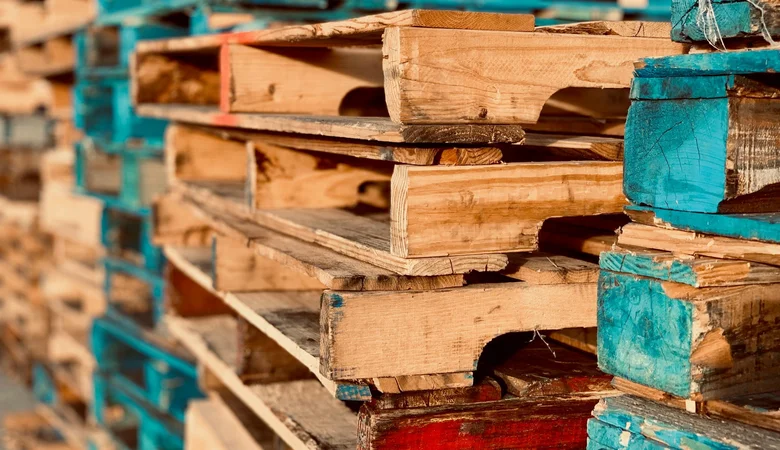
One of the most common options of all, reclaimed wood allows you to give new life to timber from old buildings and industrial or agricultural structures. With the right existing wood, you can reduce the demand for new logging, which helps to preserve forests. Wood is already a sustainable resource, but you can contribute even more to forest regeneration by lightening that load. Reclaimed wood also often has a distinct character to it with unique grain patterns that have come out over time, which can bring warmth and a sense of history to your interiors. If it’s treated and sealed right, it can be every bit as reliable, stable, and durable as new timber.
Bamboo
Wood’s sustainability comes from the fact that we can regrow what we use. However, a barrier is how long it takes new trees to fully mature to replace logged forests. With bamboo, that’s not as much of a problem, as it has an incredibly fast regrowth rate, reaching maturity in years rather than decades. Bamboo is being used more and more in home interiors, thanks to its strength and flexibility. It’s most commonly used in flooring, panelling, and natural furniture, but some even use it for structural elements of the home. It’s even better for the environment than some materials, as it absorbs large amounts of carbon dioxide as it grows.
Reclaimed Bricks
As we’ve explored, some materials are considered sustainable because they are renewable and can be replaced easily, while others are renewable because they don’t require you to produce them from scratch. Reclaimed bricks fit into that latter category, and are some of the best examples because they often have the same kind of durability, stability, and functionality that allows them to be used for the same purposes as you would use new brick, making them ideal for walls, pathways, and decorative features. Perfectly good bricks end up in landfills all too often, while reclaimed brick can do much the same job, whether you prefer to cover them with more contemporary-looking cladding or prefer the sense of character and texture they can easily bring to any home.
Recycled Steel
Another example of a highly sustainable material that offers great strength and durability. While some of the materials mentioned here can be used once or twice just fine, steel can be recycled repeatedly without losing any of its structural integrity, which has made it a key material in eco-friendly construction projects. Using recycled steel reduces the need for mining raw materials and significantly lowers energy consumption during production. It is commonly used in framing, roofing, and structural supports, providing resilience against extreme weather and pests. The longevity of steel means that you’re not going to have to replace it as much as other materials over time, which reduces its environmental impact even further.
Cork
One of the most interesting examples of renewable materials, cork doesn’t always have to rely on the felling of trees to get access to the material itself. Instead, it can often be harvested directly from the bark of living cork oak trees without having to harm the tree itself. In fact, it’s possible to harvest from the same tree up to a dozen or more times in its own lifespan. Aside from being exceptionally environmentally friendly, cork’s unique properties make it great for furniture, insulation, and wall coverings. It’s lightweight, flexible, has excellent thermal and acoustic insulation properties, and is naturally resistant to mould, pests, and moisture in a way that many other wood products are not. It’s even more popular as flooring due to how comfortable it is underfoot.

Rammed Earth
A very popular traditional building material, rammed earth is made by compacting natural soil, clay, and sand into solid walls, creating a strong, long-lasting structure. By directly using the environment that you’re building on, or sites nearby, you reduce the need to manufacture materials that have an even bigger impact, while also reducing the emissions of having to transport materials from further away. Rammed earth also has very practical benefits for the home, offering great thermal mass that regulates indoor temperatures and reduces your reliance on heating and cooling systems. Rammed-earth walls are highly durable and require minimal maintenance over time. This material provides a low-impact, energy-efficient solution for building homes that blend seamlessly with their environment. Although it’s a technique that was much more popular in the past, rammed earth is being rediscovered by architects in building more sustainable, future-proof homes.
Hempcrete
A much more modern alternative, hempcrete was first discovered in the 1980s, and is an innovative building material that’s made from hemp fibres that are mixed with lime and water. This sustainable building material is lightweight, breathable, and provides great insulation, allowing homes to maintain comfortable indoor temperatures without having to rely on energy use as much. The primary ingredient, hemp, grows quickly and is a highly hardy plant, requiring minimal pesticides. Aside from absorbing carbon dioxide in the growth process, hempcrete continues to absorb it as it cures, which reduces its overall carbon footprint. It’s typically not used as a structural material, but instead for non-load-bearing walls and insulation.
Which materials above best suit your home is going to depend on your needs and what kind of building or renovation project you’re taking on. Hopefully, they can show that you have options no matter what type of work you’re taking on.
Feature image by Brent Keane.
We hope you enjoyed reading “The Most Sustainable Building Materials For Eco-Friendly Homes”. Click here for more of our pet-related articles.

