
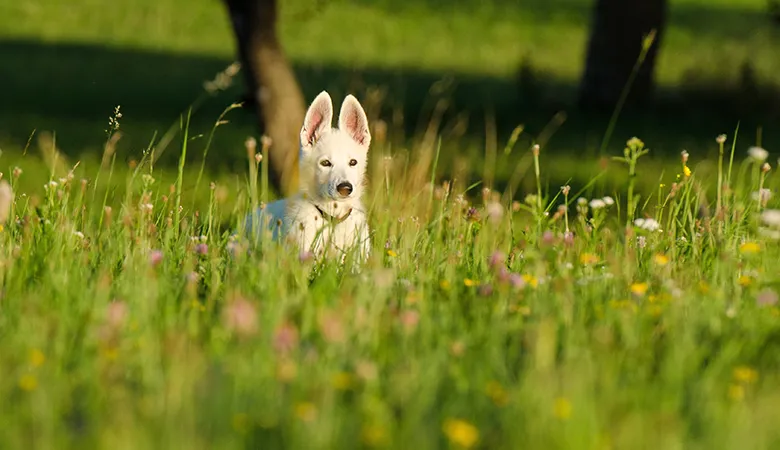
Recent legal changes have put responsible dog ownership back in focus. Knowing the law is as important as ever for dog owners.
Reasonable Belief
In March 2026, the Dogs (Protection of Livestock) (Amendment) Act 2025 came into force across England and Wales. It removes the previous £1,000 cap on fines for livestock worrying and introduces unlimited penalties. Police can now seize dogs if there is reasonable belief they have chased or distressed livestock, even near public paths or roads. The definition of livestock has also expanded to include animals such as alpacas and llamas.

This matters in areas like Wrexham, where farmland and grazing animals are part of everyday life. Livestock worrying has increased in recent years, causing distress to farmers and financial loss. While most dog owners already act responsibly, the law reinforces the need to keep dogs under proper control near animals. A lead is often the safest option, particularly around sheep or cattle.
Animal Welfare Act
These changes also offer a timely reminder to look at the wider legal framework around pet ownership. At the centre is the Animal Welfare Act 2006, which applies across England and Wales. It places a legal duty of care on anyone responsible for an animal. Owners must meet five basic welfare needs:
- a suitable environment
- a proper diet with fresh water
- the ability to display normal behaviour
- appropriate company or separation
- protection from pain, injury and disease
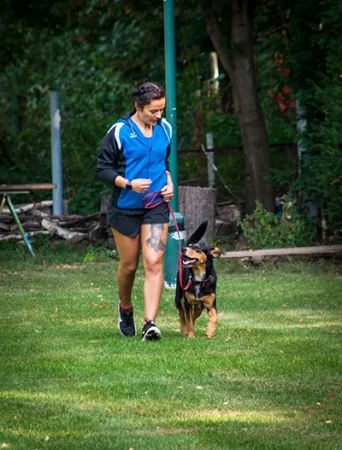
In Wales, this is supported by Codes of Practice for different animals. These guides, available on gov.wales, explain how to meet legal standards in practical terms. Courts can refer to them when assessing cases, so they carry real weight.
Microchipping
For dog owners, microchipping is required from eight weeks of age. The Welsh Code of Practice for dogs covers exercise, training and safe handling in public. Alongside the Dangerous Dogs Act 1991, which requires dogs to be kept under control, the message is clear: responsible ownership protects both pets and the wider community.
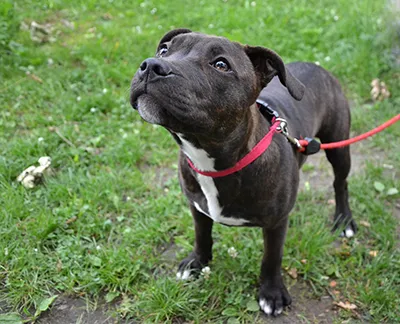
Cat owners are encouraged to follow similar guidance. The Welsh Code of Practice for cats focuses on safe outdoor access or enriched indoor living, as well as regular health checks. Microchipping is not yet compulsory in Wales, but it is strongly advised as the most reliable way to reunite lost pets with their owners.
Rabbits and Birds
Rabbits and birds, often overlooked, have specific needs. They require space to move. Rabbits need opportunities to dig and forage. A small hutch alone is not enough. Birds need space to move, opportunities to fly short distances, and a stimulating environment with perches and enrichment.
We hope you enjoyed reading “Knowing the Law Keeps Everyone Safe”. Click here for more articles about your home and garden.

Author: Karen Boyce for Love Wrexham Magazine
Karen Boyce is the founder of Beastly Thoughts Professional Dog Services (BTPDS), established in 2007. As the largest independent dog training facility in Wales, BTPDS specialises in puppy training and managing reactive dogs, while also offering a wide range of obedience classes, lectures, webinars, and online training hubs and communities. In 2019, Karen was honoured as the Animal Star Awards Dog Trainer/Behaviourist of the Year. In 2025, BTPDS surpassed the milestone of training 2,000 puppies and was named the Overall Winner in the Best of North Wales Business Awards, in addition to being recognised as the Best Pet Services Business in North Wales. Contact Details: - Phone: 07970 488 395 - Email: [email protected] - Website: www.beastlythoughts.co.uk