
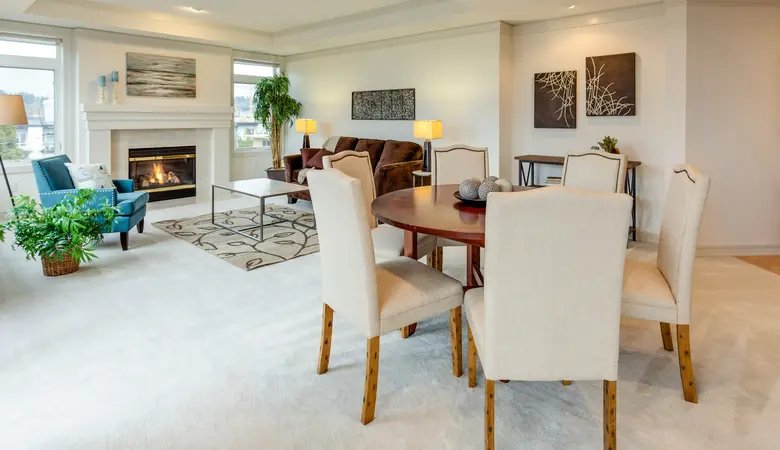
Hard floors look easy at first. Sweep them, mop them, done. Then the house gets loud. A chair drags across the room. A toy lands upstairs with a crack that sounds bigger than it should. Someone comes in from the garden with cold feet, and suddenly the living room does not feel as cosy as it looked in the showroom.
Softer flooring is not some return to old interiors. It is more about what a room has to carry every day. School bags. Pets. Bare feet in the morning. That slow moment when everyone finally sits down, and the house needs to feel less sharp around the edges.
Why Hard Floors Feel Different Once A House Gets Busy
A hard floor can look neat in photos. In a busy Wrexham home, it has to deal with far more than a tidy afternoon. School shoes land by the sofa. Chairs move in and out from the table. Toys roll under furniture. The room sounds louder than anyone expected.
That is usually when people start noticing the difference between easy cleaning and easy living. Laminate, tile and vinyl can be practical in the right space, but they do not always soften daily noise. Footsteps carry. Dropped things sound sharper. A room that looks calm when empty can feel a bit harsh once the day gets going.
Cold mornings make it more obvious. Nobody thinks much about flooring in July. Then November arrives, the heating comes on, and the floor still feels cold before breakfast. Bedrooms and sitting rooms feel different when the surface underfoot has some warmth to it.
Young children rarely use rooms the way adults imagine. They sit on the floor. They build things there. They lie down with colouring books, toy cars or a tablet. A softer surface makes that part of family life easier, without turning the whole home into a playroom.
What Softer Texture Changes In Family Rooms
Texture does quiet work in a family room. A woven surface can make a bedroom feel quieter. A thicker carpet can take the edge off footsteps. A natural fibre finish can add interest without needing a loud pattern or a risky colour choice.
A family looking at natural flooring has more to think about than shade. Sisal feels firm and structured. Seagrass has a smoother look. Jute feels more relaxed. Wool brings softness and warmth. For a family choosing natural flooring, Crucial Trading carpets bring fibre, weave, underlay, room use and daily wear into the decision before the final choice is made.
That is where softer flooring earns its keep. Not by being precious. By making ordinary rooms feel more comfortable. A bedroom where someone works from home during the day and reads at night needs a different feel from a hallway full of shoes and coats. A sitting room used by children, pets and guests needs a surface that can handle movement without looking tired too quickly.
Colour still matters, of course. But texture often does more work than people realise. A neutral carpet with a strong weave can make a room feel finished without making it feel formal. That suits plenty of homes where the goal is not showroom perfection. Just calm. Warmth. Something that feels good under bare feet.
Where Natural Fibres Make The Most Sense
Not every room asks for the same flooring. That is the first useful rule. Kitchens and bathrooms have their own problems, mostly water, spills and condensation. Plant fibre options usually make more sense in drier parts of the home where texture, warmth and appearance matter most.
Bedrooms are the obvious place to start. They do not usually take the same heavy traffic as the hallway, but they do shape how the home feels at the beginning and end of the day. A softer floor can make the room feel less echoey, especially where wardrobes, blinds and hard furniture already bring plenty of straight lines.
Living rooms are different. They need comfort, but they also deal with feet, pets, food trays, visitors and the occasional mystery stain nobody owns up to. That does not rule out carpet. It just means the fibre, pile, colour and underlay need a bit of thought.
Stairs and landings need even more care. They take repeated foot traffic in the same narrow line. A beautiful finish still has to behave under daily use. This is where samples matter. One small square in a shop can look lovely. Seeing the texture in real light, against existing walls and furniture, tells a better story.
What To Check Before Replacing Hard Flooring
Before changing the floor, look at how the room actually behaves. Not the version after cleaning. The real one. Where do people walk most? Where does the dog sleep? Where do children sit? Which chair gets dragged out every evening? Which corner collects bags?
Those habits decide more than a mood board ever will. A pale woven carpet might look calm in a quiet bedroom, but it may not love muddy school shoes near the front door. A firmer natural fibre may suit a hallway better than a very soft pile. Underlay can change the feel too, and it should not be treated as an afterthought.
Subfloors matter as well. Older homes sometimes have uneven spots, creaks or previous flooring marks that only show once the room is cleared. Better to know that before fitting day, not while furniture is already in the hall and everyone is stepping around a carpet roll.
Measuring is another place where mistakes become expensive. Bay windows, alcoves, wardrobes and awkward doorways all change the amount needed. Guessing rarely helps. A proper measure gives a clearer budget and avoids that horrible moment when a room is almost finished, but not quite.
How To Keep Softer Floors Practical
A softer floor still needs a few household rules. Not dramatic ones. Just enough to stop a small mess becoming permanent. Shoes off near the door. A mat where wet feet first land. Quick attention for small mess. Regular vacuuming around the places people actually use, not only the middle of the room.
Natural textures can hold dust in different ways. That does not make them difficult, but it does mean slow vacuuming helps. Edges, corners and the line beside the bed usually need more attention than the open space. Real life gathers at the edges. Always has.
Furniture is worth thinking about too. Felt pads under chair legs. Care when moving beds or drawers. No dragging heavy boxes across a fresh surface because someone is tired and wants the room done by tea.
Maintenance depends on the fibre, the room and the household. A quiet bedroom will not ask for the same routine as a busy landing. That is why choosing by touch alone can go wrong. Texture matters, but so does use.
When A Home Starts Feeling Quieter Underfoot
The right flooring does not change a family routine by itself. It will not stop toys appearing in strange places or make anyone hang up their coat. Shame. It can make the home feel softer around all that movement.
That is the point. A room can be practical without feeling cold. It can handle daily use without losing comfort. It can look calm without becoming bland. For many Wrexham homes, that balance is what hard floors sometimes miss.
Softer flooring is not just a design choice. It changes how rooms sound, how cold mornings feel and how comfortable a family space becomes after a long day. Choose it for the way the house is lived in, not just the way it looks empty.
Feature image by Francesca Tosolini on Unsplash.
We hope you enjoyed reading “Why Softer Flooring Is Finding Its Way Back Into Wrexham Homes”. Click here for more articles about your home and garden.

