
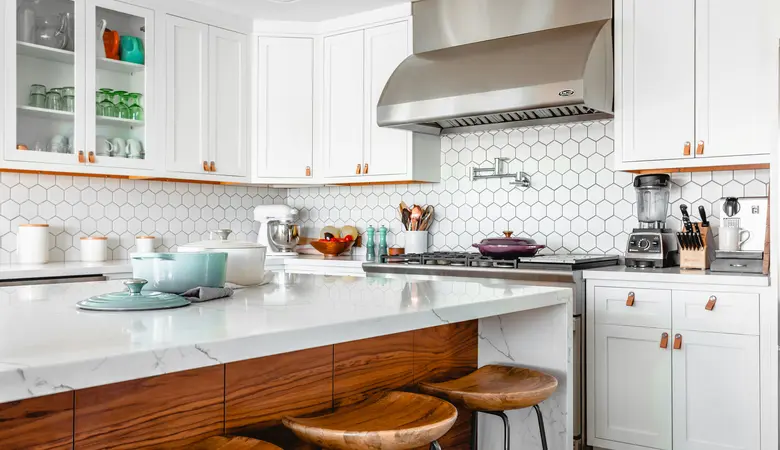
A tidy home feels great, but finding unwanted guests scurrying across your floor can quickly ruin that feeling. From tiny ants to bigger visitors, pests are a common headache for households everywhere.
Keeping them out isn’t just about comfort; it’s about making sure your living space is healthy for you and your family. Luckily, with a little know-how and some consistent habits, you can make your home much less appealing to these critters.
Understanding Common Household Pests
Here in the UK, we share our space with all sorts of creatures that would love to move in. Common household pests include ants looking for crumbs, spiders spinning webs in quiet spots, mice seeking warmth and food, and wasps building nests in sheds or lofts when it’s warmer.
Most of these pests are after three basic things: food, water, and shelter. Understanding what draws them in is the first step to showing them the door. A stray biscuit crumb might seem tiny to you, but it’s a feast for an army of ants. Likewise, a small leak under the sink can be the perfect water source for many unwelcome visitors.
Prevention is Key for a Healthy Home
The best way to deal with pests is to stop them from getting inside in the first place. Taking a few steps ahead of time can make a huge difference and help you prevent common household pests.
Start by checking the outside of your home for any small cracks or holes in the foundation, walls, or around pipes, then seal them up. Inside, make sure food is stored in airtight containers, and clean up spills and crumbs right away. Don’t forget to empty your bins regularly and keep them sealed. Reducing clutter also gets rid of potential hiding spots, making your home much less attractive as a shelter.
When DIY Isn’t Enough
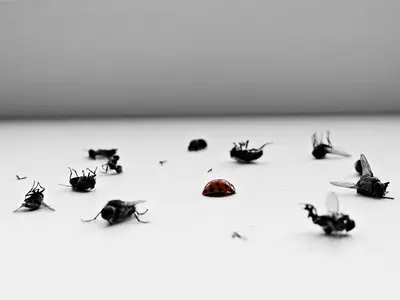
Sometimes, even if you try your best, a pest problem can get out of hand. You might notice signs of a persistent infestation, like droppings, damage to your property, or seeing pests during the day. While it’s tempting to grab off-the-shelf sprays and traps, it’s important to understand the do’s and don’ts of pest control to make sure you’re using them safely and effectively.
For big or stubborn infestations, DIY solutions often only deal with the surface problem, not what’s causing it. If you’re facing a recurring issue or a pest that could be a health risk, calling in professional pest control services is the safest and most effective thing to do. Experts can figure out where the problem is coming from and put a plan in place to solve it for good.
Eco-Friendly Pest Management
If you’re looking for more eco-friendly ways to manage pests, many options don’t involve harsh chemicals. Integrated Pest Management (IPM) is an approach that focuses on long-term prevention with minimal environmental impact. This can involve using natural deterrents, like planting mint around your home to keep ants away or using peppermint oil on cotton balls to repel spiders.
Physical barriers, such as fine mesh over vents, can also be very effective. The goal is to create an environment that pests naturally don’t like, reducing the need for quick-fix treatments.
Maintaining a Clean Environment
A consistently clean home is your best defence against pests. This means more than just your weekly vacuuming and dusting. Make it a habit to clean behind and under big appliances like the fridge and cooker, where crumbs and spills often build up unnoticed. In the garden, keep compost bins sealed and away from the house, and clear away any piles of wood or garden debris where pests could nest.
Regularly cleaning out gutters stops water from collecting, which can attract insects. These simple, ongoing tasks disrupt pest life cycles and remove the things they need to thrive, helping you keep a healthy, pest-free home all year.
Keeping your home pest-free is an ongoing effort, not something you do once and forget. By combining good prevention habits with a clean environment, you create a space that’s welcoming for your family, but not for unwanted critters.
Feature image by roam in color on Unsplash.
We hope you enjoyed reading “Keeping Your Home Healthy and Pest-Free”. Click here for more articles about your home and garden.

