

Damaged asphalt can turn an ordinary bike ride into a sudden emergency. Staying safer on streets means looking well ahead, keeping your bike prepared for uneven surfaces and knowing what to do if a road defect causes a fall. These practical habits matter on familiar local routes as much as they do on longer weekend rides.
Spotting Road Cracks Before Impact
Keep your eyes directed toward the road ahead, scanning roughly 10 to 15 seconds in front of your bike. This gives you time to spot cracks, sunken drain covers and loose patches without making a sharp last-second turn. Wet weather and shadows can hide a pothole’s depth, so reduce your speed when visibility drops.
Leave enough space between you and parked cars or other cyclists to preserve an escape route. If you need to avoid damaged asphalt, check behind you before moving sideways and signal clearly. These road cycling safety tips also cover visibility, positioning and predictable riding around other road users.
Gear Adjustments for Rough Asphalt
Check tire pressure before setting off, using the range printed on the tire sidewall as your guide. Excessively high pressure can make a bike feel harsh and less settled over broken asphalt, while low pressure raises the chance of rim damage or a puncture. Your weight, tire width and road conditions all affect the best setting.
Make sure your handlebars, wheels and saddle are secure. A properly fitted helmet and bright clothing also support safer everyday riding, as outlined in this bicycle safety guidance.
Equipment can lower risk, but it can’t remove every hazard. If a surface defect causes an injury, information about pothole accident claims may help you understand the available claims process.
Managing Crashes and Pothole Accident Claims
After a crash, move out of traffic if you can do so safely and check yourself for pain, dizziness or restricted movement. Call emergency services when an injury appears serious or the location creates an immediate danger. Even when you feel able to stand, avoid riding away until you’ve inspected the bike and assessed how you feel.
Get medical attention for persistent pain and keep copies of appointment notes, receipts and related correspondence. Write down the time, date and exact location while the details remain fresh. If another person witnessed the fall, ask for their name and contact information. Avoid repairing or discarding damaged clothing and equipment before you’ve photographed them clearly.
Documenting Surface Failures for Authorities
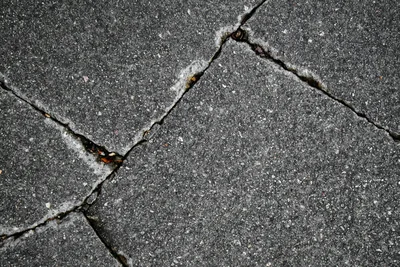
Take wide photographs showing the defect in relation to road markings, buildings or signs, then capture close images that show its shape and depth. Place a common object beside the damaged area for scale only when traffic conditions make this safe. Never step into an active lane to obtain a better picture.
Record the street name, nearest property number and direction of travel. A dropped map pin can help authorities locate a pothole that sits between recognizable landmarks. Report the defect through the relevant road authority’s official channel and save the reference number. If the surface changes before an inspection, your dated photographs and original report can provide a useful record of its earlier condition.
Street conditions can change quickly after heavy rain or utility work. A brief tire check before leaving and an alert scan on every approach give you more time to respond without abrupt movements.
Image Credit: Unsplash
We hope you enjoyed reading “Essential Street Safety Rules for Everyday Cyclists”. Click here for more cycling articles.

