
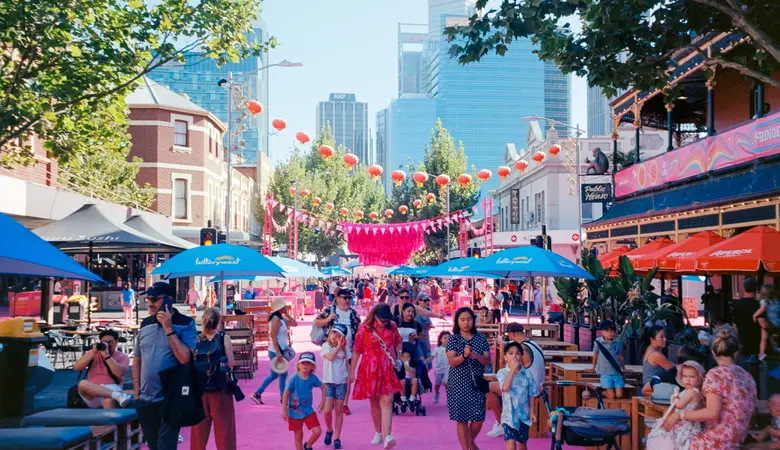
From bustling food festivals to charming Christmas markets, local events are the lifeblood of our communities. They bring colour and excitement to our streets, offer a platform for local artisans, and create lasting memories for residents and visitors alike. While we enjoy the finished spectacle, it’s easy to overlook the immense effort that goes into making them happen. Behind every successful event is a complex web of logistics, and transport sits at the centre of it all.
The Heartbeat of Community Life
Community events are much more than just a fun day out; they are fundamental to building a strong, connected society. When people gather to share an experience, it strengthens social bonds and creates a sense of collective identity and pride in where they live. Research shows that these gatherings are key to fostering social capital, building trust and cooperation among neighbours.
These events also play a vital role in the local economy. They provide a crucial marketplace for small businesses, artists, and food producers to connect directly with customers. For many, a successful weekend at a local fair can be a significant part of their annual income. Events that get people out and about are also great for encouraging active living and improving public well-being. They draw people into town centres, creating a vibrant atmosphere that benefits everyone.
Behind the Scenes: Event Logistics
Event managers have a long and complex to-do list, and a huge part of it involves moving things from one place to another. Think about what it takes to set up a simple street market: stalls, tables, signage, sound equipment, and products all need to arrive on-site at the right time. For larger festivals with stages and lighting rigs, the logistical challenge is even greater. The smooth flow of an event depends entirely on well-organised transport.
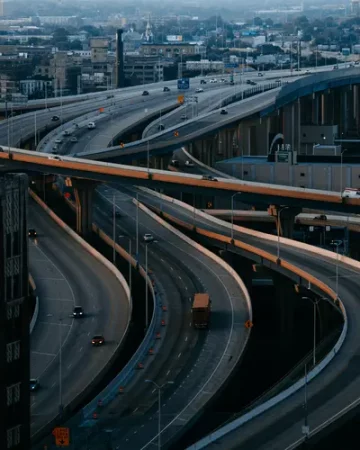
This is where the role of transportation becomes critical. A single delay in delivering a key piece of equipment can have a domino effect, pushing back setup times for everyone else. Organisers must coordinate a fleet of vehicles, from large lorries delivering staging to smaller vans bringing supplies for individual vendors. Effective planning is also needed for managing travel demand to ensure that event traffic doesn’t bring the entire town to a standstill. This behind-the-scenes ballet of vehicles is essential for ensuring the event opens on time and runs without a hitch.
Flexible Transport for Volunteers and Staff
It’s not just heavy equipment that needs moving. The dedicated teams of organisers, staff, and volunteers who bring these events to life also have their own transport needs. They are often the ones running last-minute errands, picking up supplies, distributing posters, or transporting smaller items such as first-aid kits, volunteer vests, and walkie-talkies. Many rely on their own cars to perform these essential tasks.
However, not every volunteer has access to a suitable vehicle. Someone might need to borrow a larger car or a van for a few hours to collect bulky items, or a team might need to coordinate transport for a group of helpers. This is where flexible solutions become invaluable. If a friend offers their van for the weekend to help with setup, you’ll need to make sure you’re properly insured to drive it. In these short-term scenarios, you can even do car insurance for a week to help you get covered quickly without committing to a full-year policy. This flexibility is perfect for the temporary, project-based nature of event organising, ensuring that every task, big or small, can be handled efficiently and safely.
Facilitating Local Cultural Participation
For an event to be truly for the community, the community has to be able to get there. While many attendees live locally, a significant number often travel from surrounding villages and neighbourhoods. For those without a car or who prefer not to drive, public transport can be a lifeline. However, standard bus routes may not always serve the event location conveniently or run late enough for evening activities.
This is where community transport schemes shine. Many local organisations run minibus services or dial-a-ride programs that can be adapted for special events, including those focused on community sport services. Organisers can partner with these groups to arrange dedicated shuttle buses from park-and-ride locations or nearby towns. This not only makes the event more accessible but also helps to reduce traffic congestion and parking problems in the town centre. By providing a direct and reliable way for people to attend, these services ensure that no one is excluded from participating in the cultural life of their area simply because of where they live.
Making Events Accessible for All
Inclusivity is at the heart of any true community event. This means ensuring that everyone, including older residents and people with disabilities, can attend and enjoy the festivities. For many, mobility challenges can make navigating crowds and unfamiliar spaces difficult, and standard transport options are often unsuitable.
Community transport services are often specifically designed to meet these needs. They operate vehicles equipped with wheelchair lifts, low-floor access, and space for mobility aids. Perhaps just as importantly, their drivers are frequently trained to assist, offering a friendly and supportive service that goes beyond just getting from A to B. By providing accessible, door-to-door transport, these services empower individuals who might otherwise be isolated to participate fully in community life. When event organisers factor accessible transport into their planning, they send a powerful message that everyone is welcome, strengthening the social fabric of the entire community.
Good transport planning can also make an event more sustainable. Encouraging shared rides, using shuttle services, and coordinating deliveries can reduce unnecessary journeys and ease pressure on busy local roads. For organisers, thinking about transport early means fewer last-minute problems and a better experience for everyone involved, from volunteers and vendors to residents and visitors.
Ultimately, transport is the invisible thread that ties our local events together. It enables setup, supports volunteers, and ensures that every member of the community has the chance to be a part of the celebration.
Feature image from Pexels.
We hope you enjoyed reading “How Better Transport Planning Can Support Local Events”. Click here for more articles about your local transport links.

