

Owning and driving a vehicle comes with a lot of responsibility. Beyond the freedom of the open road, every owner needs to manage maintenance, follow legal standards, and prioritize safety for themselves and others. Developing good habits in these areas protects your investment and makes you a responsible presence on the road.
Pre-Journey Checks Save Time
Even before you turn the key, a quick check of your vehicle can prevent delays and expensive repairs later on. A simple routine, taking only a couple of minutes, can spot potential issues before they become serious problems. Making these checks part of your daily or weekly schedule is one of the easiest ways to keep your vehicle healthy.
Start with the basics, often remembered by the acronym T-O-W-B-I-L-E (Tires, Oil, Water, Brakes, Indicators, Lights, Electrics).
- Tires: Check the pressure and look for any visible damage or too much wear. Properly inflated tires improve fuel efficiency and handling.
- Lights and Indicators: Quickly test your headlights, taillights, brake lights, and turn signals to make sure they all work. This is crucial for seeing and being seen by other drivers.
- Fluids: Regularly check your oil, coolant, and windshield washer fluid levels. Low fluid levels can damage your engine or reduce visibility.
- Brakes: As you first start moving, pay attention to how the brakes feel. Any squealing, grinding, or a spongy pedal means a professional should look at them right away. Creating a vehicle safety pre-checks checklist can help you stay organized and ensure you don’t miss anything important.
Legal Requirements for Driving
Driving a vehicle on public roads is a privilege that comes with strict legal duties. Not meeting these requirements can lead to fines, license suspension, or worse penalties. The three main parts of legal driving are a valid driver’s license, proper vehicle registration, and proof of insurance.
A driver’s license confirms you’ve met the necessary standards to operate a specific type of vehicle. It’s vital to keep your license current and only drive vehicles you’re legally allowed to handle. Your vehicle also needs to be registered with the right government authority, and this registration must be renewed regularly. These vehicle registration and driver license requirements are essential for legal road use. Driving an unregistered vehicle can result in fines and might even invalidate your insurance policy.
Choosing the Right Coverage
Insurance is another basic legal requirement, but its importance goes far beyond just checking a box. The right policy protects you financially if there’s an accident, theft, or other damage. Standard liability coverage is often the legal minimum, but it might not be enough to cover your own vehicle’s repairs or medical expenses. When choosing a policy, think about your vehicle’s value, how you use it, and your personal financial situation.
Different vehicles and lifestyles need different kinds of protection. If you use your vehicle for work, choosing the right model is just as important as choosing the right insurance. For example, a classic car stored in a garage has different needs than a daily commuter. Likewise, those who enjoy adventure sports need to make sure their policy covers their activities. Specialized providers offer policies for unique needs, such as finding the right insurance for all types of riders of motorcycles, from scooters to touring bikes. Looking at options like collision, comprehensive, and personal injury protection will help you build a policy that gives enough security without overpaying for unnecessary extras.
Staying Safe on the Road
Once your vehicle is checked and your legal documents are in order, safety depends on how you drive. Proactive and defensive driving is key to avoiding accidents. This means staying alert, anticipating what others might do, and keeping a safe following distance. One of the biggest threats to road safety today is distracted driving. Using a mobile phone, adjusting the radio, or eating while driving greatly increases your risk of a collision.
Adopting defensive driving techniques is a powerful way to protect yourself. This includes:
- Scanning Ahead: Look 10-15 seconds down the road to spot potential hazards early.
- Managing Space: Keep a buffer of space around your vehicle on all sides.
- Being Visible: Use your lights correctly and position your vehicle where others can see you.
- Adjusting for Conditions: Slow down in rain, snow, or fog, and be extra careful at night.
Being aware of your surroundings and committing to minimizing distractions are your best tools for staying safe. Remember that you share the road with pedestrians, cyclists, and other motorists, all of whom rely on you to drive responsibly.
Planning for Roadside Issues
Even with careful maintenance, unexpected problems can happen. A flat tire, dead battery, or mechanical failure can leave you stranded. Having a plan for these situations can turn a major crisis into a manageable inconvenience. The first step is to put together a roadside emergency kit and keep it in your vehicle at all times.
A well-stocked kit should include items like a flashlight with extra batteries, jumper cables, a first-aid kit, reflective triangles or flares, and basic tools. It’s also smart to include seasonal items like blankets in the winter or extra water in the summer. Beyond the physical kit, you should have crucial information easily accessible. Save the number for your roadside assistance provider in your phone and keep a written copy in your glove box along with your insurance details. Knowing what to do during a roadside breakdown before it happens helps you stay calm and take the right steps to ensure your safety while you wait for help.
Ultimately, being a prepared and responsible vehicle owner means developing consistent habits. Regular maintenance helps you catch problems before they become expensive repairs. Staying compliant with legal requirements protects you from unnecessary penalties and complications. Safe driving habits reduce risks for you and everyone around you. Preparing for roadside emergencies also gives you greater confidence when unexpected problems occur. By making these simple practices part of your routine, you can protect your vehicle, improve your safety, and enjoy greater peace of mind on every journey.
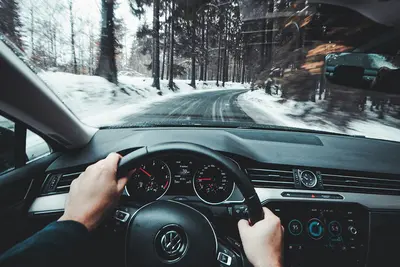
The feature image is by Erik Mclean on Unsplash.
We hope you enjoyed reading “Navigating the Roads: Essential Considerations for Vehicle Owners”. Click here for more articles about your local transport links.

