
From bustling event venues, hospitals and public buildings to secure data centres and corporate offices, many places need careful management of who comes and goes. Keeping people, property, and information safe in these high-risk or access-controlled settings is a big responsibility. It’s more than just locking doors; it requires a multi-layered approach that integrates physical security, modern technology, and, most importantly, well-prepared people.
Making things safer isn’t about building an impenetrable fortress. It’s about creating a tough environment where risks are understood, managed, and kept to a minimum. This guide offers practical steps organisations can take to boost security and make a safer space for everyone, whether they’re employees, visitors, or clients.
Start with a Comprehensive Risk Assessment
You can’t effectively protect an environment until you truly understand its unique weak points. A thorough risk assessment is the essential first step for any safety plan. This process means systematically finding potential threats and then figuring out how likely an incident is and what its impact would be. It’s a proactive move that shifts your organisation from reacting to problems to preventing them.
The assessment should look at several key areas:
- Physical Hazards: This covers everything from weak entry points, like old doors or ground-floor windows, to poor lighting in car parks or blind spots not covered by cameras.
- Procedural Gaps: Are visitor sign-in procedures always followed? Are keys or access cards managed properly? Gaps in daily routines can create major security holes.
- Human Factors: Think about risks from both insiders and outsiders, from accidental mistakes by well-meaning staff to deliberate acts of theft or disruption. Staff who regularly deal with members of the public may also need to recognise warning signs and know how to respond when situations become difficult.
- External Threats: This could range from opportunistic crime in the local area to specific threats aimed at your industry or organisation.
Once you’ve found these risks, you can prioritise them based on how much damage they could cause. This helps you focus your resources on the most critical areas first.
The Human Element: Training and De-escalation
Technology and physical barriers are vital, but your people are your most dynamic safety asset. Staff members are often the first to notice when something is wrong and the first to act during an incident. Their training, awareness, and confidence can make all the difference in achieving a safe outcome. General safety briefings are a good start, but higher-risk environments and public-facing roles may need a higher level of preparation.
Situational awareness is a crucial part of personal safety, helping staff recognise potential problems before they escalate. This means training your team to observe their surroundings and recognise behaviours or situations that seem out of place. It’s about spotting a potential issue, like an agitated person or an unattended bag, long before it gets worse. Along with awareness, de-escalation training is essential. Giving staff the verbal and non-verbal skills to calm tense situations can stop conflicts from turning physical, protecting both employees and visitors.
For teams working in elevated-risk or public-facing situations, specialist providers like Stand2 can provide advanced training in conflict management, de-escalation, decision-making and practical response skills for complex incidents. This kind of preparation helps security and response teams act proportionately and confidently when situations become volatile or fast-moving.
Implementing Layered Physical Security Measures
A strong security plan relies on a layered approach, often compared to the layers of an onion. The idea is that if one layer is breached, another is waiting behind it to deter or stop an intruder. This creates a “defence-in-depth” strategy that makes your premises a much harder target.
The layers typically include:
- The Perimeter: This is your first line of defence. It includes clear signs, good lighting, well-maintained fencing or walls, and landscaping that removes potential hiding spots. The goal is to control entry points and clearly separate public and private space.
- The Building Exterior: This layer focuses on the building itself. It involves securing all potential entry points, including doors, windows, and loading bays. This might mean installing reinforced doors, shatter-resistant window films, or robust locks.
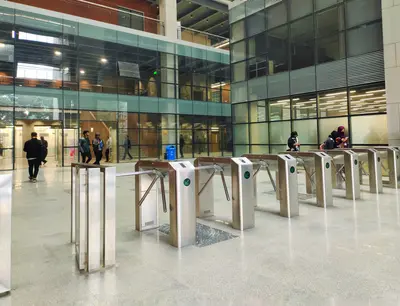
- Internal Controls: Once inside, further layers can restrict movement to authorised areas. This is where access control systems come in. Using keycards, biometric scanners, or keypads ensures that only approved personnel can enter sensitive zones like server rooms, stockrooms, or executive offices. Creating these secure room environments is fundamental to protecting critical assets. In specialised sectors, this is even more critical; for example, effective access control in healthcare is essential for protecting patients, staff, and sensitive data.
Each layer should be designed to slow down and detect unauthorised access, giving your security team or emergency services more time to respond.
Integrating Technology for Smarter Safety
Modern technology offers powerful tools for boosting security and improving situational awareness. When set up correctly, these systems can act as a force multiplier for your security personnel, helping them monitor larger areas more effectively and respond to incidents faster.
Key technologies to consider include:
- Video Surveillance (CCTV): Today’s CCTV systems do more than just record. They can come with intelligent video analytics to automatically spot unusual activity, such as someone loitering in a restricted area or a vehicle moving the wrong way. High-definition cameras provide clear images that can be crucial for investigations after an incident.
- Alarm and Intrusion Detection Systems: These are your digital tripwires. Motion sensors, door/window contacts, and glass-break detectors can provide immediate alerts of a potential breach. Integrating these with your surveillance system allows for instant visual verification of an alarm.
- Communication Systems: During an incident, clear and reliable communication is paramount. Two-way radios, dedicated mobile apps, or an integrated intercom system ensure your team can coordinate its response effectively, whether it’s a medical emergency or a security alert.
The key is to create a unified system where these different technologies work together. For instance, an access control system that flags a denied entry attempt could automatically trigger a nearby camera to record the event and send an alert to a security guard’s mobile device. This integration turns separate pieces of information into useful intelligence.
Fostering a Proactive Safety Culture
The most secure environments are those where safety is a shared value, not just one department’s job. Fostering a proactive safety culture means empowering every single person in the organisation to be part of the solution. This cultural shift turns passive bystanders into active participants in maintaining a safe environment.
Building this culture requires consistent effort from leadership. It starts with showing that safety is a top priority through investment, policy, and action. When employees see that management is serious about safety, they are more likely to take it seriously themselves.
Practical steps to foster this culture include:
- Regular Drills and Training: Practice makes perfect. Running regular drills for various scenarios, from fire evacuations and security lockdowns to dealing with difficult or aggressive behaviour, builds confidence and ensures everyone knows their role in an emergency.
- Clear Reporting Channels: Employees must have a simple and confidential way to report safety concerns, near-misses, or suspicious activity without fear of punishment. This feedback is an invaluable source of information for finding and fixing vulnerabilities before they can be exploited.
- Consistent Communication: Keep safety top of mind through regular reminders, updates on new procedures, and sharing lessons learned from past incidents or drills.
When everyone feels a sense of ownership over safety, you create a vigilant and resilient community that is far more effective than any single piece of technology could ever be.
Feature image by Collin on Unsplash.
We hope you enjoyed reading “How to Improve Safety in High-Risk and Access-Controlled Environments”. Click here for more articles about safety and security.

