
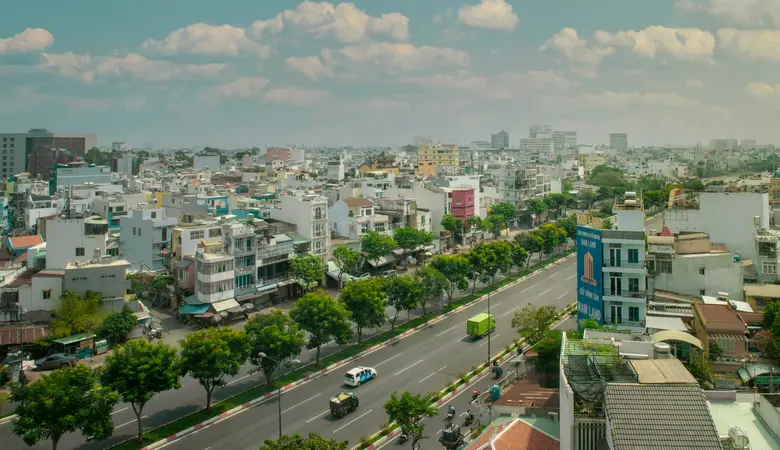
From quiet suburban streets to bustling city centres, trees are a familiar and often beautiful part of our daily landscape. While we might admire their seasonal colour or enjoy their shade on a sunny day, their true value goes far beyond just looking nice. Trees are vital infrastructure, working silently to improve our environment, support our well-being, and even boost our economy. Understanding all the good they do shows just how essential it is to protect and grow these green assets in our built-up areas.
Cleaner Air and Cooler Cities
One of the most important things urban trees do is improve air quality. They act as natural filters, absorbing harmful pollutants and tiny particles while releasing clean oxygen. A single mature tree can absorb a lot of carbon dioxide each year, helping to lessen the impact of city emissions. You can really see the benefits of urban trees in dense city environments where traffic and industry degrade air quality.
Besides cleaning the air, trees also cool things down naturally. Cities often suffer from the “urban heat island” effect, where concrete and asphalt absorb and hold heat, making temperatures several degrees warmer than nearby rural areas. A tree’s canopy provides direct shade, cooling pavements and buildings. Through a process called evapotranspiration, trees also release water vapour into the air, which cools the immediate area even more. Planting trees in the right spots can mean less need for air conditioning in summer, saving energy and cutting costs.
Maintaining Urban Tree Health
To make sure our towns and cities keep getting these benefits, we need to actively look after our urban forests. City trees face unique challenges, like compacted soil, limited growing space, and exposure to pollution. Proper care is crucial for them to live long and stay safe. This means regular checks for signs of disease or weak spots, careful pruning to remove dead wood and keep them in a safe shape, and making sure they get enough water and nutrients.
Sometimes, even with the best care, a tree can become a danger. If a tree is diseased, dying, or damaged by a storm, it can pose a risk to people and property. In these situations, a professional assessment is key to figuring out what to do. If a tree can’t be saved, safe and efficient tree removal is necessary to protect the community. This also opens up the chance to plant a new, healthy tree in its place, continuing to green our urban spaces.
Boosting Local Biodiversity
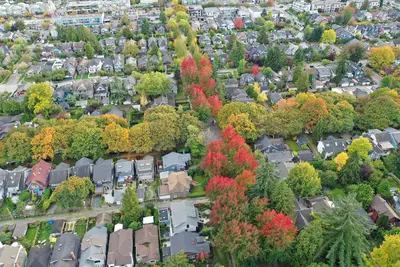
A single tree can be a complex ecosystem, providing a vital home for all sorts of wildlife. Birds build nests in their branches, insects feed on their leaves and nectar, and small mammals can find shelter inside their trunks. By planting a variety of native tree species, we can support many different local animals, helping to create a more resilient and balanced ecosystem right in our urban and suburban neighbourhoods.
These trees aren’t just isolated patches of nature. When connected by parks, gardens, and other green spaces, they form “green corridors.” These corridors allow wildlife to move safely between different areas, which is crucial for their survival and for keeping populations healthy. A street lined with healthy trees becomes more than just a road for cars; it becomes a pathway for nature, making the local environment better for everyone.
Enhancing Property Values
Having mature, healthy trees can directly and positively affect property values. A leafy, well-kept street looks nicer and gives a sense of established character and appeal. Studies consistently show that homes in neighbourhoods with a good tree canopy sell for higher prices than those in areas without. This “tree effect” shows how desirable it is to live in a greener, more pleasant environment.
Beyond the direct monetary value, trees improve the overall quality of a neighbourhood. They can help muffle traffic noise, offer privacy, and create a calmer atmosphere. This better quality of life makes an area more attractive to potential buyers and residents, building a stronger sense of community and local pride. Investing in planting and caring for trees is an investment in the long-term value and appeal of a property and the wider community.
Green Spaces for Wellbeing
The link between nature and human health is well-known. Spending time in green spaces has been shown to reduce stress, lower blood pressure, and improve overall mental well-being. Simply walking down a tree-lined street or sitting in a local park can have a restorative effect, offering a much-needed break from the pressures of city life.
Urban trees and parks also encourage physical activity. They provide shaded, pleasant environments for walking, jogging, and recreation, motivating people to get outside and be more active. For children, parks with trees offer chances for imaginative play and a way to connect with the natural world. By adding green spaces into our city planning, we create healthier, happier, and more active communities for people of all ages.
The trees in our towns and cities are more than just decoration; they are a fundamental part of a healthy, sustainable, and livable environment. By recognizing their value and committing to their care, we can make sure that future generations will continue to enjoy all the benefits they provide.
Feature image by Jang Raw on Unsplash.
We hope you enjoyed reading “The Benefits of Trees in Urban and Suburban Settings”. Click here for more articles about your environment.

