
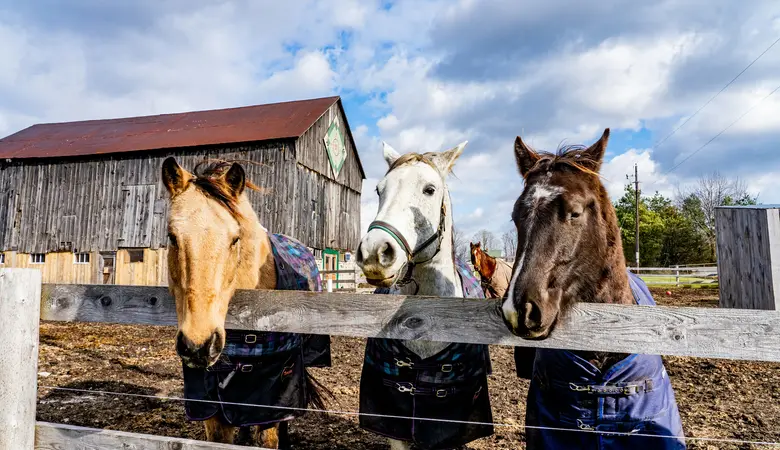
Keeping livestock is a truly special experience, connecting you right to the land’s rhythm. Whether you’ve got a horse, a few sheep, or a whole flock of chickens, giving them a safe and healthy outdoor home is super important for their well-being. Good land management isn’t just about having lush green fields; it’s a thoughtful process of creating a space where your animals can really thrive all year long.
This means looking at everything from how sturdy your fences are to the quality of the soil under their hooves. Paying attention to the little details in your paddock or pasture helps you head off common problems, cut down on vet bills, and make sure your animals are happy and content.
Assessing Your Land for Animal Safety
Before you even think about how green your grass is, you’ve got to make sure the area is totally safe. The first step is to take a good walk around your fields. Check your fencing line by line, looking for any wobbly posts, saggy wire, or gaps an animal could squeeze through. The kind of fence you have should be right for the animals you’re keeping; what holds a flock of sheep might not work for a curious pony.
Beyond the edges, scan the ground for anything that could be dangerous. Look for sharp bits like loose wire, broken glass, or old farm equipment that could cause an injury. Spot any poisonous plants hiding in the hedgerows or field corners. Lastly, check your water spots. Troughs should be clean and free of algae, and if you have natural water sources like ponds or streams, it’s a good idea to fence them off if they’re deep, have steep banks, or could easily get dirty.
Effective Weed and Pest Control
A healthy pasture can quickly turn risky if nasty weeds start to take over. Plants like ragwort are super toxic to horses and cattle, and even a little bit can cause serious liver damage over time. Regular checks and getting rid of them are crucial. For just a few weeds, pulling them out by hand (with gloves on!) can work, but make sure you get the whole root.
If you have bigger fields or a constant battle with invasive plants, you’ll need a smarter plan. Professional paddock management services can offer effective, targeted treatments that are safe for grazing animals once the right waiting period has passed. They can figure out exactly what weeds you have and apply the perfect solution, saving you time and making sure the job’s done right. This also helps keep pests like flies and ticks in check, as they love overgrown, messy areas.
Ensuring Optimal Grazing Conditions
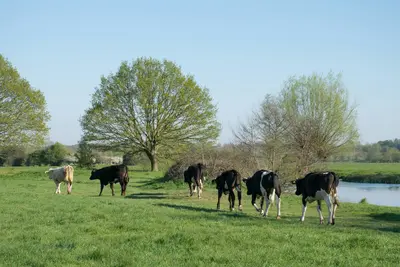
How your animals graze really changes your pasture’s health. If they stay in one field for too long, they’ll eat certain spots down to the ground, compact the soil, and leave other parts to get tall and unappetizing. That’s where rotational grazing can be a game-changer. By splitting your land into smaller sections and moving the animals regularly, you give each patch of grass time to bounce back and regrow.
This system stops parasites from building up and helps the grass grow thicker and healthier. It’s also important to manage how tall the grass gets. Harrowing is a fantastic way to spread manure, which acts like a natural fertiliser, and it also helps clear out dead grass and air out the surface. Choosing the right livestock for your land’s size and type is also key to keeping your grazing conditions tip-top.
Soil Health and Nutrient Management
Healthy grass starts with healthy soil. Over time, grazing and changing weather can strip the soil of vital nutrients, leading to poor grass growth and encouraging weeds. To really know what your land needs, it’s smart to get a soil test done. This will tell you the pH level and point out any missing key nutrients like nitrogen, phosphorus, and potassium.
With this info, you can make a plan to boost your soil. This might mean adding lime to fix acidity or using a balanced fertiliser to put nutrients back. Spreading well-rotted manure is also an excellent way to add organic matter back into the soil, making its structure and fertility much better. Thinking of your pasture as a whole ecosystem is essential for keeping the land going strong for years.
Planning for Seasonal Changes
A good land manager always thinks a season ahead. Every time of year brings its own unique challenges and chances for your outdoor space.
- Winter: Often, the biggest headache is mud. Wet, churned-up ground can damage grass roots and create an unhealthy mess for hooves. It’s smart to set aside a smaller, well-drained sacrifice paddock for winter turnout to protect your main grazing fields.
- Spring: This is when everything grows super fast. While it looks lovely, that lush, sugary grass can be risky for animals prone to issues like laminitis. You might need to limit grazing time or use strip-grazing to control how much they eat.
- Summer: Hot, dry weather can scorch the grass, leaving fields bare. Make sure your animals have plenty of shade and water. This is a good time to tackle any big fence repairs or weed control while the ground is firm.
- Autumn: As grass growth slows down, it’s time to get the fields ready for winter. A final cut or harrowing can help clear the pasture before the wet weather hits, giving it the best possible start for the next spring.
Anticipating these seasonal changes helps you take action early to protect both your animals and your land, making sure your outdoor space stays productive and safe all year round.
Creating a thriving space for your animals is an ongoing commitment, but seeing healthy, happy livestock grazing on well-kept land is truly one of the best rewards of being a smallholder.
Feature image by Chris Robert on Unsplash.
We hope you enjoyed reading “Creating a Safe and Thriving Outdoor Space for Livestock”. Click here for more articles about farming and agriculture.

