
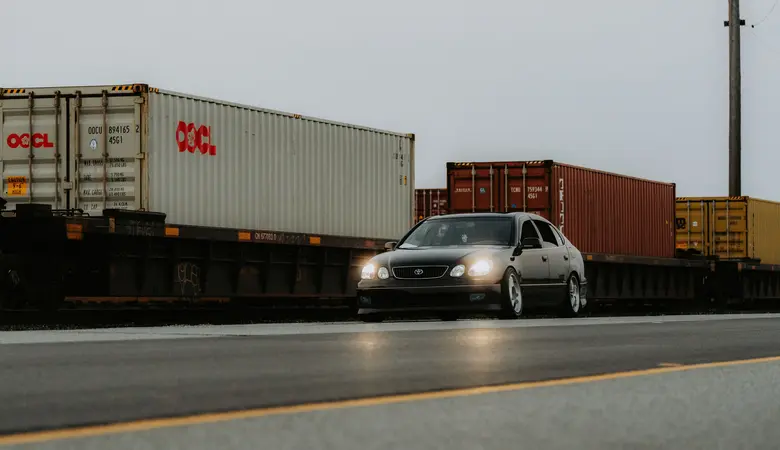
The global marketplace has made the world’s most interesting products accessible with just a few clicks, and cars are no exception. For a growing number of enthusiasts and savvy buyers, the search for the perfect vehicle now stretches far beyond local dealership lots and across international borders. The idea of finding a unique model, better value, or simply a car that isn’t available at home is a powerful draw, fuelling a significant rise in overseas car purchases.
Everyday drivers are discovering that looking abroad can open up a world of possibilities. From finding a specific trim level to securing a classic car with a unique history, people buy cars from other countries for reasons as diverse as the vehicles themselves.
Seeking Unique Models
People often buy cars internationally because they want something unique. Every country has its own automotive market with models and specifications tailored to local tastes and regulations. This means a car that’s common in Europe or Asia might be a complete rarity in North America, and vice versa. For enthusiasts, this is an exciting chance to own something truly distinctive.
Think of the legendary Japanese Domestic Market (JDM) vehicles, which often feature different engines and performance parts than their export counterparts. Similarly, Europe offers a wide range of “hot hatches” and practical estate cars that never officially make it to other continents. Importing one of these cars means owning a piece of automotive culture that stands out from the crowd. This appeal also extends to classic cars, where a vehicle’s history and condition can be better preserved in a different climate or ownership culture.
Value and Availability Abroad
Beyond the hunt for rare models, many buyers look overseas for practical reasons like value and availability. The automotive market isn’t uniform, and pricing can fluctuate dramatically from one region to another due to taxes, demand, and currency exchange rates. A dedicated value-seeking consumer might find that even after factoring in shipping and import costs, their desired vehicle is significantly more affordable abroad.
Availability is another key factor. You might face a long waiting list for a popular new model at home, while dealers in another country have the same car ready for immediate delivery. This also applies to the used market. If you’re searching for a low-mileage example of a specific make and model, expanding your search globally dramatically increases your chances of finding the perfect match.
The Importation Journey Explained
Buying a car from another country is more involved than a domestic transaction. The process has several key stages, each with its own set of challenges and paperwork. That’s why many buyers choose professional car import services that can handle the entire process, from sourcing the vehicle to delivering it to your door.
Once you own the vehicle, you need to transport it to a port for shipping. You’ll have to choose between container shipping or a “roll-on, roll-off” service. When it arrives in your home country, the car must clear customs. This critical step involves duties, taxes, and extensive documentation. As one guide to buying a car overseas explains, customs officials will verify the vehicle’s identity and ensure all fees are paid. After clearing customs, the car still isn’t ready for the road. It’ll likely need modifications to comply with local safety and emissions standards, such as changes to lighting or dashboard displays, before it can be officially registered and legally driven.
Making the Process Smooth
With so many moving parts, a successful international car purchase depends on careful planning and due diligence. The key to a smooth experience is to be methodical and anticipate potential hurdles before they become major problems. Start by thoroughly researching the specific vehicle you want to import. Understand your home country’s regulations for that model year and type. Some cars are easier to import than others, and some may not be eligible at all.
Next, get a complete picture of the costs. The purchase price is just the beginning. You need to budget for:
- International shipping and insurance
- Customs duties and import taxes
- Port fees and handling charges
- Compliance testing and modifications
- Registration fees
Always get a comprehensive vehicle history report and, if possible, arrange for an independent inspection before you finalise the purchase. This protects you from buying a car with hidden damage or a problematic past. Given the complexities, partnering with an experienced import agent or company can be invaluable. They can manage the logistics, handle the paperwork, and guide you through each step, turning a daunting task into a manageable and exciting one.
Buying a car from overseas can be an incredibly rewarding experience. It allows you to find the exact car you’ve always wanted, often at a better value. While the process requires patience and preparation, the result is getting behind the wheel of a vehicle that’s truly special.
Feature image by Luke Miller on Pexels.
We hope you enjoyed reading “Why Overseas Car Purchases Are Growing”. Click here for more motoring-related articles.

