
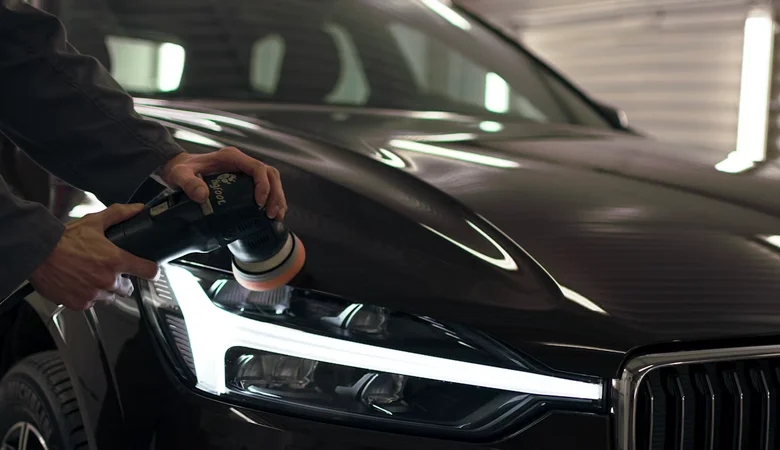
Image Credit: Unsplash
A light scratch can become an expensive bodywork problem if it cuts through the protective layers of a car’s paint. Damage that looks cosmetic may expose the metal below, reduce the vehicle’s resale value and lead to a larger repair later. Checking scratches early helps you work out whether careful home maintenance is enough or professional attention is needed.
Why Surface Scratches Turn Into Rust
Modern automotive paint usually has several layers, including primer, color and a transparent clear coat. A shallow mark limited to the clear coat may look white under bright light but leave the color intact. Deeper scratches can expose primer or bare metal to water, oxygen and road salt.
That exposure starts the corrosion process, which can continue beneath apparently sound paint. You may first notice a small orange spot or bubbling around the damaged area. Winter grime and salty roads can speed up the deterioration.
Clean a fresh scratch with car shampoo and inspect it in daylight. If your fingernail catches firmly in the mark or you can see gray metal, don’t leave it untreated.
The Impact on Resale Appraisals
Appraisers consider exterior condition because visible damage affects how much preparation a vehicle needs before resale. The effect of one faint mark may be modest, but several scratches across doors, bumpers and wheel arches can suggest poor upkeep.
Industry valuation guidance explains how scratches affect a car’s worth, particularly when damage is deep, widespread or located on prominent panels. Scratches can also cause trouble during an end-of-lease inspection if they exceed the provider’s fair wear and tear standard.
Photograph damage before requesting a valuation and keep invoices for completed repairs. Clear records show that defects were addressed properly. Before spending money, compare the estimated repair cost with the likely effect on the vehicle’s appraisal.
When to Visit a Professional Car Body Shop
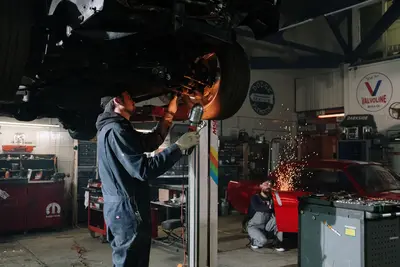
Book an inspection when a scratch exposes metal, covers more than one panel or sits beside a dent. Rust staining, peeling clear coat and paint bubbling also call for prompt professional assessment. These signs suggest that polishing alone won’t solve the underlying damage.
An experienced car body shop can assess the depth of the scratch and recommend a suitable repair, such as local paint correction, scratch removal or panel respraying. Professional help is also sensible before an insurance claim, an end-of-lease inspection or the sale of a relatively valuable car.
Ask what preparation the quote includes and how the technician will match the existing color. A proper estimate should identify the affected panels, planned finish and expected completion time.
Routine Steps for Clear Coat Protection
Wash your car regularly with clean mitts, automotive shampoo and separate buckets for washing and rinsing. Household detergents can strip protective products, while dirty brushes may drag grit across the paint. Dry the surface with a clean microfiber towel instead of letting mineral-rich water evaporate.
Apply a suitable wax or paint sealant according to its instructions, especially before winter. It won’t stop a sharp object from scratching the finish, but it can provide a sacrificial barrier against grime, bird droppings and road residue.
Remove contamination promptly and avoid scrubbing dry paint. Check door edges, wheel arches and the area around the trunk every few weeks. These spots often collect moisture or suffer unnoticed chips during everyday use.
A monthly daylight inspection takes only a few minutes and gives you the best chance of finding damage before rust spreads beyond the original scratch. Mark any suspicious area in a photo, then check it again after cleaning. If the mark has changed color, started bubbling or grown around the edges, arrange an assessment instead of covering it with a quick cosmetic product.
We hope you enjoyed reading “The Real Cost of Ignoring Minor Exterior Scratches”. Click here for more articles about cars.

