
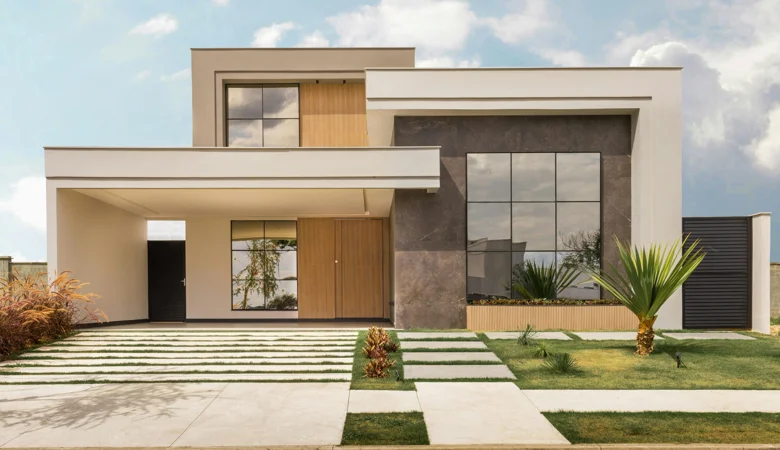
The majority of homeowners in the UK want to make their properties more energy-efficient, but it’s not always easy to achieve this goal. Recent data indicate that almost 60% encounter barriers when trying to boost energy efficiency at home. In this guide, we’ll outline some effective ways to overcome obstacles, update your nest and save money.
Improve insulation
Improving insulation is one of the best ways to make your home more energy-efficient. It is particularly beneficial to focus on insulation and heat retention if you have an old house or your home loses heat quickly. If your house is drafty or warm air escapes rapidly, it may feel cold, even if your heating is running around the clock. You’ll also notice your bills increase.
There are various routes to consider if you’re eager to enhance insulation. The first is professional insulation services, including loft and cavity wall insulation. These upgrades are not cheap, but they could save you a substantial amount of money in the long term, while helping you create a comfortable, cosy home. The other path is embracing DIY solutions. Examples include filling holes and gaps in external walls, using draft excluders, hanging secondary glazing sheets in your windows and swapping lightweight blinds and curtains for thick, lined curtains.
It’s beneficial to explore your options and compare quotes and price savings. If your plan is to stay in the property for decades to come, it’s worth investing in solutions that will save you money and add value.
Update your windows and doors
Many properties lose heat through doors and windows. If you have old, worn or damaged windows and doors, it’s a good idea to consider upgrades and replacements. New doors are made using innovative design concepts, materials and technologies, making them more energy-efficient and secure. If you have brand-new windows and doors at home, you’ll find that your living spaces feel much warmer instantly. You can choose from a diverse range of styles and door and window types, with options to suit every home.
Increasing energy efficiency is a major advantage of buying new doors and windows, but there are multiple benefits. Replacement installations can improve security, block out noise, enhance kerb appeal, give your home character and help you embrace greener living. You can also use different types of doors to boost versatility and functionality. French doors, for example, are ideal for kitchens and living rooms that face the garden. They offer golden opportunities to embrace indoor-outdoor living and increase natural light.
Explore heating updates
For many of us, the cost of heating our homes has risen sharply in recent years. While external factors, including inflation, economic uncertainty and political events, influence prices, your heating system can also play an important role. Old boilers, for example, are less efficient than modern units. The better your heating system works, the warmer your home will stay. If you have an old boiler or it takes ages to get warm, it’s worth contacting local businesses and exploring updates. Get quotes, learn more about different options and compare potential savings.
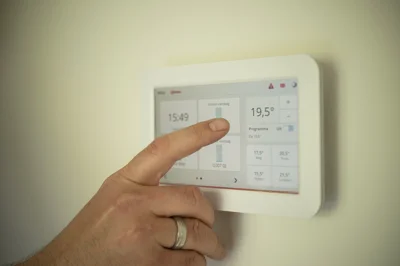
Set a thermostat
Thermostats help you regulate and control the temperature of your home. It’s very simple to manage your heating at home with a thermostat. All you have to do is select your chosen temperature. If the temperature falls below this point, the heating will come on. Once it’s warm enough, the system will shut down. With smart thermostats, you can programme controls and modify settings remotely. This means if you’re away for a few days, you can drop the temperature and save money at the touch of a button.
The recommended temperature for indoor living spaces is around 18-21 degrees. Reducing the temperature on your thermostat by just 1° can save you up to 10% on your energy bills.
Switch to LED lighting
It may be getting brighter and lighter as summer approaches, but the UK is a country with clearly defined seasons. When it’s grey outside, the mornings are dark, and the sun sets in the middle of the afternoon, many of us don’t think twice about switching on the lights. Lighting serves a practical purpose and enhances safety. It also adds ambience. There are obvious benefits to using lights and lamps around your home, but it can be expensive. One way to elevate efficiency and save money without making sacrifices is to switch to LED lighting. Energy-efficient lighting is a simple, affordable upgrade that can make a big difference. LED bulbs last up to 50 times longer than incandescent bulbs.
Maximising natural light is another way to save money. If you have sunlight streaming through the windows, you won’t need to turn the lights on. Easy ways to add more light to your living spaces include using white and other light paint colours, sticking to light flooring options, opening curtains, shutters and blinds, angling chairs and sofas towards your windows and doors and hanging mirrors on the walls.
Embrace smart appliances
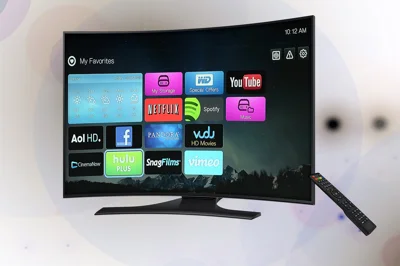
Modern appliances use less energy than older versions. As we become increasingly reliant on tech, it’s a brilliant idea to explore upgrades and find out more about smart appliances. From washing machines and fridges to TVs and vacuum cleaners, you could save a lot of money on running appliances in the future by replacing outdated models. It’s beneficial to think about what kinds of devices and gadgets you use at home, read blogs and guides to learn about developments and innovations and compare prices and deals online. You can also get advice by visiting shops that specialise in new technology.
Creating a more energy-efficient home can help you embrace a more eco-friendly way of life, reduce energy consumption, save money and upgrade your house. The best ways to boost energy efficiency include improving insulation, investing in modern doors and windows, exploring heating updates, using a thermostat, switching to energy-efficient lighting and embracing modern appliances. It’s beneficial to seek professional advice, get quotes, compare prices, look for offers and consider your short and long-term goals before you buy products, update technology or upgrade your home.
Feature image by Jonathan Borba on Pexels.
We hope you enjoyed reading “Creating A More Energy-Efficient Home: Top Tips”. Click here for more articles about your home and garden.

