
For many small and medium-sized businesses (SMEs), growth is the big goal. But sometimes, success brings an unexpected problem: you run out of room for your stuff. What started as a spare room or a small stockroom can quickly get swamped with inventory, equipment, and piles of paperwork. This lack of physical space can really slow things down, make your workspace feel chaotic, and ultimately hold your business back. The good news is, this is a super common growing pain, and there are flexible, affordable solutions that don’t involve the huge headache of moving your whole operation.
How Lack of Space Holds Small Businesses Back
As a business gets bigger, it needs more physical space. For many SMEs, especially those starting out in a home office or a small shop, this can be a real challenge. Your original space, which was once perfect, can become cluttered and messy. This isn’t just about how it looks; it actually hurts how much you can get done. You end up wasting time looking for stock, trying to navigate narrow aisles, or just working in a space that no longer fits your needs.
This clutter can also lead to bigger problems. If your inventory is a mess, your stock counts might be wrong, which means you could accidentally oversell items or miss out on sales. Plus, a cramped space can be a safety hazard for your team. These issues often point to bigger supply chain challenges, where simply not having enough physical space creates a bottleneck that affects everything, from getting orders out to dealing with suppliers.
The pressure to find a bigger commercial property can feel huge, but the high costs and long-term commitments of traditional leases are often too much for a business that’s still figuring things out.
Making Inventory Easier to Manage
Good inventory management is super important for any business that sells products. Knowing what you have, where it is, and what it’s worth is key to making a profit. When your main workspace is overflowing, this becomes almost impossible. Stock can get damaged, lost, or even expire if it’s buried in the back of a messy room. This is where thinking outside the box, or rather, outside your main building, can really help.
Separating your daily work from where you store most of your stuff is a smart move. Many growing businesses are finding that using off-site storage units is an affordable and secure answer. By moving extra inventory, old documents, or equipment you don’t use often to a dedicated facility, you can take back your main workspace. This lets you create a more efficient and organised environment for your team and your customers.
Learning how to manage inventory properly means setting up good systems, and having a clean, easy-to-access space is the first step. It’s much easier to use a proper stock rotation system, like ‘First-In, First-Out’ (FIFO), when you actually have the room to do it.
Flexible Storage Without Long Leases
One of the biggest financial risks for a growing SME is getting stuck in a long commercial lease. Signing a five or ten-year contract for a warehouse or a bigger office is a huge commitment, and it locks in high overhead costs. If your growth changes direction, or if you hit an unexpected rough patch, that lease can become a major financial burden. That’s why flexibility is so valuable when you’re in the early stages of expanding.
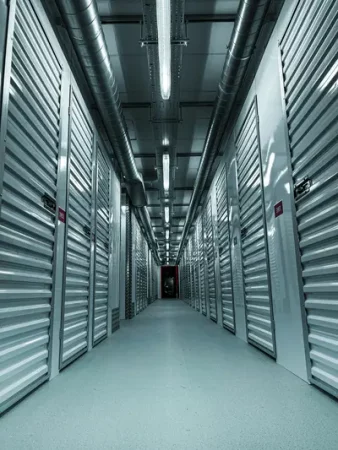
External storage solutions offer tons of flexibility. Most places work on simple, month-to-month agreements, so you can easily get more or less space as your needs change. If you land a big order and need to hold more stock temporarily, you can rent a bigger unit for a few months. On the flip side, if you simplify your product line, you can downsize without any penalties.
This kind of flexibility is useful for managing your cash flow well. It lets you match your storage costs directly to what your business is doing right now, instead of paying for empty space in a huge warehouse.
Keeping Seasonal Stock Out of the Way
Lots of businesses have seasonal ups and downs. A garden centre is super busy in spring and summer, a gift shop sees a huge sales spike before Christmas, and an outdoor clothing company sells more winter coats than swimsuits in December. These changes create a big inventory headache: what do you do with all that off-season stock? Storing it on-site means it takes up valuable retail or warehouse space that could be used for current, fast-selling products.
This is a perfect situation for using off-site storage. Instead of cluttering your main space with bulky boxes of holiday decorations in July or patio furniture in November, you can move them to a secure unit. This keeps the stock in great condition, ready for when the season comes around again. It frees up your main space to be more efficient and profitable all year long.
Smart inventory management often means keeping your active inventory separate from your long-term storage. Doing this helps you focus your daily operations on what’s selling now, while knowing your future stock is safe, organised, and ready to go when you need it. This simple trick can really improve how you work and make the most of your available floor space.
Expanding Without Relocating
The idea of moving your whole business can feel overwhelming. It costs a lot, causes disruptions, and you risk losing customers or key staff if you move too far away. For many SMEs, needing more space doesn’t necessarily mean needing a brand new headquarters. Often, it’s just a need for more room for ‘stuff,’ whether that’s tools, materials, stock, or old files. Separating your main operations from your storage can be the key to growing without the chaos of a full relocation.
Think about a tradesperson, like an electrician or a plumber. Their home might be their office for paperwork and calls, but their garage is overflowing with tools, parts, and equipment. Renting a small, easy-to-access storage unit can act as a professional depot, freeing up their home space and letting them buy materials in bulk at better prices.
Similarly, an e-commerce business running out of a spare bedroom can use a storage unit as a mini-fulfilment centre. They can organise their products on shelves, set up a packing station, and manage shipments without their home life being taken over by cardboard boxes. This approach allows the business to grow its capacity and look more professional without immediately needing to lease an expensive commercial unit.
Lacking space should really be seen as a sign of success, not something holding you back. Thinking creatively about how and where you store your assets helps you keep growing without taking on unnecessary financial risks or operational headaches.
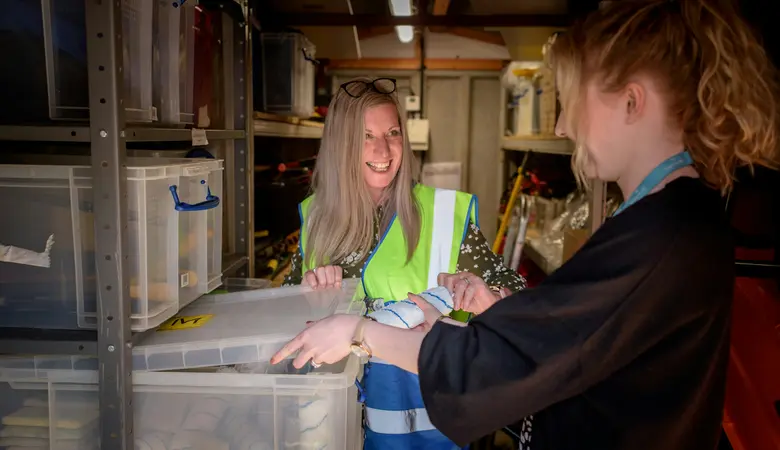
Feature image Centre for Ageing Better on Unsplash
We hope you enjoyed reading “How Off-Site Storage Helps Small Businesses Grow”. Click here for more articles about your home and garden.

