
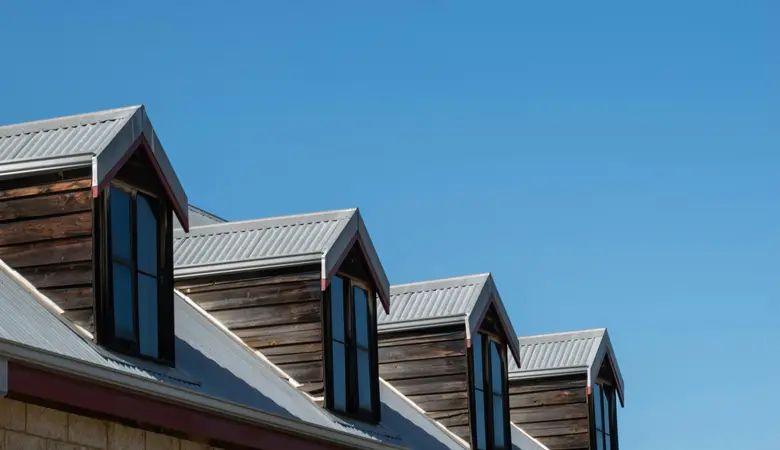
The roof is obviously a hugely important part of the home, and one that you are always going to be keen to try and look after as effectively as you can. If you do that, the home as a whole is going to benefit greatly, and you will find that you are much more likely to feel safe in it as well. With that in mind, what are some of the things that you are going to want to focus on to make sure you do this right? Let’s take a look.
Regular Visual Checks
You don’t need to climb onto the roof to keep an eye on it. In fact, that’s usually unnecessary and risky. A simple ground-level inspection every few months can tell you a lot. Look for slipped or broken tiles, sagging sections, discolouration, or anything that looks “different” from the rest of the surface. Roofs tend to telegraph problems visually before they become functional failures. Binoculars can help here, especially for chimneys, ridges, and hard-to-see angles. After heavy storms, it’s worth doing a quick scan, since wind uplift and falling branches are common causes of sudden damage.
Gutters & Drainage
A surprising number of roof problems don’t start on the roof itself. They start at the edges, particularly in gutters and downpipes. When gutters clog with leaves, moss, or debris, water stops flowing away properly and begins to overflow or pool where it shouldn’t. That water can back up under tiles or sit against fascia boards, slowly causing rot. Cleaning gutters a couple of times a year makes a noticeable difference, especially in autumn when leaf fall is heavy. If trees overhang the property, more frequent checks are worth it. It’s not glamorous work, but it prevents a cascade of avoidable issues.

Flat Roofs
Flat roofs behave differently from pitched roofs simply because water doesn’t run off as quickly. Instead, they rely on a very slight gradient and well-designed drainage points. That means even minor issues can become significant if they affect water flow. For good flat roof repair, you will need to ensure you find the right team. One of the most common problems with flat roofs is ponding water. This is where water sits in shallow pools after rain rather than draining away. Occasional ponding isn’t always catastrophic, but persistent pooling accelerates wear on the roofing membrane and increases the risk of leaks.
Moss & Vegetation
Moss on a roof often looks harmless, even picturesque, but it can create problems over time. It holds moisture against the surface, adds weight when saturated, and can work its way under tiles, lifting them slightly. That creates small gaps where water can enter. On pitched roofs, gentle moss removal using appropriate tools or treatments can help preserve the surface. Aggressive scraping should be avoided because it can damage protective coatings or dislodge tiles. Flat roofs are less prone to moss in the same way, but they can still accumulate algae or debris that interferes with drainage, especially around outlets.
Feature image by Jay Lockyer on Pexels.
We hope you enjoyed reading “Caring For Your Roof More Effectively”. Click here for more articles about your home and garden.

