
We all have those little quirks in our homes that we just learn to live with. Maybe it’s a door that sticks, a tap that drips, or a floorboard that creaks in just the right spot. While these can be kind of charming, some household ‘quirks’ are actually big warning signs.
When it comes to your home’s electrical system, ignoring these signals can lead to serious trouble. Knowing which issues are minor and which need immediate attention is super important for keeping your home and family safe.
Here are some common electrical problems homeowners should never, ever brush off.
That Annoying Flickering Light Might Be More Than Just Annoying
A light that flickers every now and then might just need a new bulb. But if it happens a lot, or if several lights are doing it, that points to a bigger problem. Constant flickering usually means there’s a bad or loose connection somewhere in the circuit. This could be at the light switch, in the ceiling fixture, or even further back in your home’s wiring.
A loose connection creates electrical resistance, which creates heat. Over time, this heat can melt plastic parts, damage the wire insulation, and become a serious fire hazard. If you’ve swapped out the bulb and the flickering keeps happening in one or more rooms, it’s a clear sign you need to call a professional electrician. It’s just not worth the risk to ignore it.
Frequent Circuit Breaker Trips Are a Cry for Help
Your consumer unit (that’s your fuse box) is like the safety control centre for your home’s electricity. The circuit breakers are there to trip and cut the power when they spot a problem, which protects your home from damage. If a breaker trips once in a blue moon, it might just be because you had too many power-hungry appliances running at the same time.
But if a specific circuit keeps tripping, it’s definitely trying to tell you something’s wrong. This could be due to issues like a short circuit, a ground fault, overloaded circuits or more serious faults. Constantly resetting the breaker without figuring out why it’s tripping is like hitting snooze on a fire alarm. You really need to find out what’s causing it to prevent overheating and potential fires.
Odd Smells or Buzzing Noises from Outlets
Your senses are actually some of your best tools for spotting electrical dangers. If you ever smell something strange coming from an outlet or switch, check it out right away. A strong, acrid, or even ‘fishy’ smell can mean plastic parts are overheating and melting.
Likewise, any buzzing, crackling, or popping sounds from your outlets are a huge red flag. These noises often happen because of ‘arcing,’ which is when electricity jumps between loose connections. An arc fault gets incredibly hot and can easily ignite nearby things like dust, wood, or insulation.
If you notice these smells or sounds, turn off the power to that circuit at your consumer unit and call for help immediately.
Warm or Discoloured Power Points
Your switches and plug sockets should always feel cool to the touch. If you notice an outlet or the faceplate of a switch feels warm, it means too much heat is building up. This usually happens because of a faulty connection behind the plate, where loose wiring is creating resistance.
Even more serious are scorch marks or any discoloration around the plug slots. This clearly shows that overheating has already happened, which could have damaged the internal parts and created a significant fire risk. Don’t keep using a warm or discolored outlet; it needs to be checked and replaced by a professional.
The Dangers of DIY and Outdated Wiring
With all the online tutorials out there, it can be tempting to try small electrical jobs yourself. But electrical work is complex and highly regulated for good reasons. A small mistake can lead to an electric shock or create a hidden fire hazard that you might not even notice for years.
Many older homes also have outdated systems that weren’t built for today’s demands. You might see signs like too few outlets, old-fashioned fuse boxes with fuses you have to rewire, or black, rubber-insulated cabling.
The dangers here include degraded insulation and a higher chance of overload risks associated with old wiring. If you think your home’s electrics aren’t up to scratch, an electrical safety inspection can give you clarity and peace of mind.
Don’t put off looking into these small warnings. Paying attention to what your home’s electrical system is telling you could save you from a much bigger problem down the line.
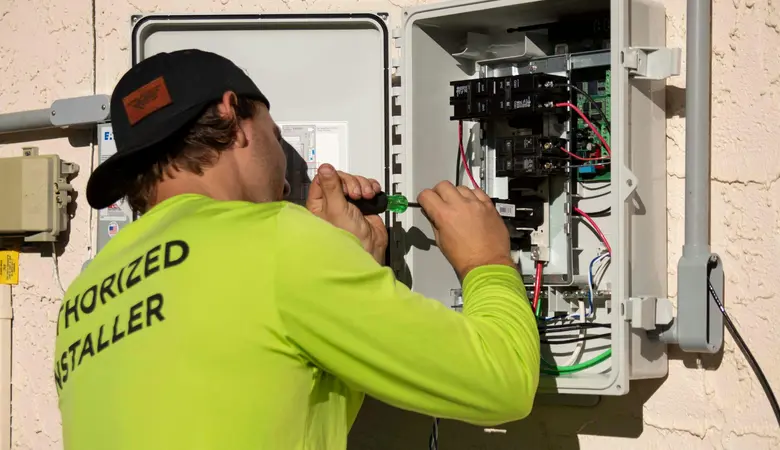
Feature image by Raze Solar on Unsplash
We hope you enjoyed reading “5 Common Electrical Problems Homeowners Should Never Ignore”. Click here for more articles about your home and garden.

