

A successful neighbourhood clean-up needs clear roles, safe working practices and a sensible plan for everything collected. Without those basics, volunteers can quickly end up facing overflowing bags, unsuitable waste and uncertainty about what happens next.
The best events focus on a defined area and a realistic result. Clearing one park, footpath or row of communal spaces in two hours often achieves more than trying to cover an entire district in a day.
Rallying Enthusiastic Local Volunteers
Choose a date at least three weeks ahead, then invite residents through community groups, local noticeboards and social media. The successful clean-up steps published by Earth Day include selecting a suitable site, assembling a team and arranging how waste will be handled.
Ask people to register so you have an approximate headcount. This helps you prepare enough equipment and divide the site into manageable zones. On the day, appoint team leaders and give everyone a short briefing covering boundaries, collection points and items they should leave untouched. A two-hour session with 20 reliable volunteers is easier to supervise than an open-ended event with no clear finish time.
Securing Protective Tools and Gloves
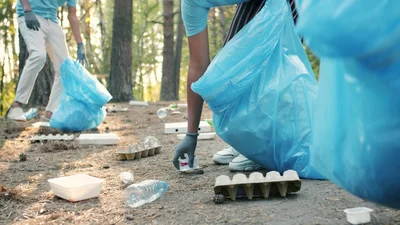
Every volunteer should receive sturdy gloves, a litter picker and clearly labelled sacks. High-visibility clothing is useful near roads, car parks and shared access routes. Organisers should also have hand sanitiser, drinking water, a basic first-aid kit and a charged mobile phone available at the meeting point.
Inspect the area before volunteers arrive. Mark steep banks, broken surfaces and any material that needs specialist collection. Children should work with a responsible adult in low-risk spaces such as playing fields or planted areas. If an item looks hazardous, leaking or unusually heavy, record its location and contact the appropriate local service instead of asking volunteers to move it.
Organising Central Skip Hire for Bulky Waste
Arrange one supervised collection point where teams can bring suitable bulky items. If the survey suggests there will be old furniture, damaged fencing or large quantities of mixed waste, booking skip hire in advance can prevent bags and awkward objects from piling up across the site.
Confirm what the container may accept, where it can be placed and how much access the collection vehicle needs. The location should be easy for volunteers to reach without blocking pavements, entrances or emergency routes. Assign one person to monitor the area throughout the event. They can stop unsuitable materials from entering the container and keep reusable or recyclable items separate.
Sorting Salvageable Metals and Plastics
Set up labelled stations for common materials before collection begins. Use separate containers for metal cans, rigid plastics and general rubbish, following the rules of the recycling provider that will receive them. Local services may accept different plastic types, so check their guidance before printing signs.
Keep sorting simple enough for volunteers to follow at a glance. Pictures of accepted items often work better than long instructions. Food-stained packaging may need to go into general rubbish, whilst intact plant pots or storage boxes could be offered to a community garden or reuse group. Record the number of bags or approximate weight in each category to give residents a visible measure of the day’s result.
Cultivating Long-Term Civic Pride
A clean-up has greater value when residents help keep the area tidy afterwards. The Community Tool Box guide to neighbourhood clean-up programmes recommends involving local people in planning and considering how the work will be maintained.
Share the results with volunteers, including photographs, the amount collected and any issues reported to local services. A monthly litter walk or a seasonal inspection can catch small problems before they grow. You can also ask nearby organisations to care for a planter, noticeboard or short section of path. These ongoing efforts help create a more resilient community by encouraging residents to take shared responsibility for public spaces and support one another in maintaining neighbourhood standards. Finish the event by confirming the next check-in date while volunteers are still together, giving the neighbourhood a specific commitment it can carry forward.
Image Credit: Unsplash
We hope you enjoyed reading “What Makes a Neighbourhood Clean-Up Truly Effective?”. Click here for more articles about your community.

