

Image Credit: Unsplash
Screens often absorb more energy than we realize, especially when work, entertainment and social plans all happen through the same devices. Hours of switching between messages, videos and browser tabs can leave you tired without giving your body the satisfying fatigue that follows physical activity.
A healthier balance doesn’t require abandoning technology. The aim is to notice when screen habits affect your focus, sleep and mood, then create regular opportunities for movement, daylight and deeper engagement with the world around you.
Recognize the Subtle Signs of Tech Exhaustion
Tech exhaustion can appear as dry eyes, headaches, neck tension or difficulty focusing on one task. You may also feel restless after work yet lack the motivation to do anything beyond scrolling. Stanford’s overview of excessive screen time describes possible effects on attention, memory and emotional regulation.
Track your screen use and energy for three ordinary days. Note when you pick up your phone, what prompted it and how you feel 20 minutes later. Automatic checks during meals, conversations or short waits often reveal habits you hadn’t noticed. Evening signs matter too. If you feel sleepy on the sofa but alert once you get into bed, late screen exposure and stimulating content may be keeping your brain switched on.
Why Nature Exposure Rewires the Brain
Outdoor time gives your attention a different kind of work. Trees, moving clouds and changing light hold interest gently, without the constant prompts and alerts found on a screen. This allows directed attention, the effortful focus used for emails and detailed tasks, a chance to recover.
Even a local park can help. Guidance on green time benefits highlights nature exposure as a practical response to screen fatigue. Try a 20-minute walk after lunch without checking notifications, or sit outside while drinking your morning coffee. Pay attention to temperature, birdsong and the feeling of the ground underfoot. These sensory details pull your mind into the present. Regular daylight exposure also supports your body clock, which can make it easier to feel alert during the day and sleepy at night.
Choose Immersive Adventures Over Quick Escapes
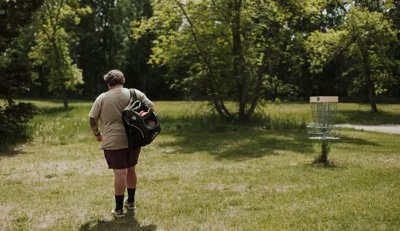
Quick entertainment can fill an empty hour, but immersive activities tend to restore energy more effectively. Hiking, cycling, gardening and outdoor photography ask you to use your body, notice your surroundings and stay engaged for longer than a few minutes.
A planned trip can strengthen that effect because it creates distance from your usual routines. For experienced cyclists, a guided cycling holiday in Sardinia combines multi-day riding with accommodation, local food and cultural visits. That kind of structured experience leaves fewer gaps for habitual scrolling while giving each day a clear rhythm.
You don’t need to travel far to apply the same principle. Plan a half-day route through nearby countryside, join a walking group or explore a section of a regional trail. Choose something absorbing enough that your phone becomes a practical tool for directions or photos, not the main event.
Reclaim Your Weekly Energy Baseline
Set a few repeatable boundaries that fit your schedule. Keep the first 30 minutes after waking screen-free, take lunch away from your desk and charge your phone outside the bedroom. A short evening cutoff can also reduce the urge to keep consuming information when your brain needs to settle.
Build outdoor activity into your calendar before the week fills up. One longer session at the weekend and two 20-minute walks during the week create a realistic starting point. Protect those times as you would any other appointment.
Notice the results after two weeks. Useful changes might include falling asleep faster, finishing work with less mental fog or feeling more interested in hobbies and conversations. Your weekly energy baseline should become easier to read once screens stop occupying every pause. A walk after tomorrow’s final email is a simple place to begin.
We hope you enjoyed reading “Is Your Daily Screen Time Draining Your Vitality?”. Click here for more articles about health and wellbeing.

