
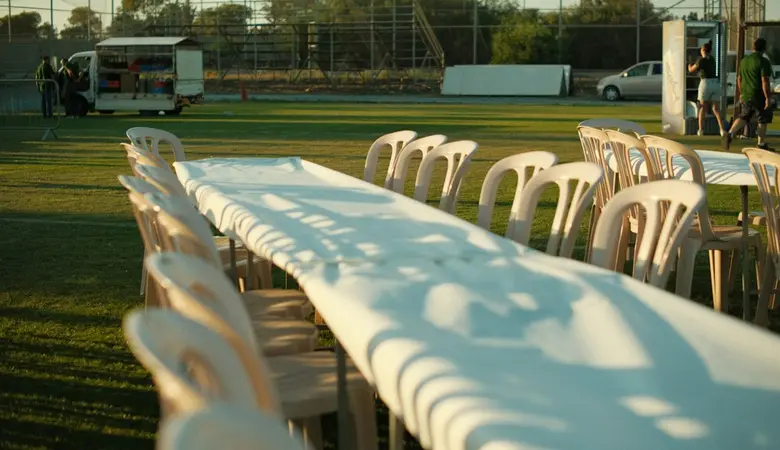
Inclusive venues give people room to meet, build friendships and feel part of local life. They can be cafés, libraries, arts centers, community halls or social venues shaped around a shared identity.
While each space serves a different crowd, the best ones create regular opportunities for conversation and connection. That social value can extend far beyond the people who walk through the door.
The Social Value of Third Places
Sociologists use “third place” to describe a setting outside home and work where people can spend time together informally. This overview of third places and their value explains how accessible gathering spots support social ties, civic life and community resilience.
A familiar venue makes everyday contact easier. Someone visiting a weekly coffee morning may begin with brief chats, then gradually form friendships or hear about a local volunteering opportunity. These small interactions can reduce isolation and help residents exchange useful knowledge.
Good third places usually have predictable opening hours, welcoming staff and few barriers to entry. Venues can strengthen that role by offering low-cost sessions, clear accessibility details and regular activities that don’t require existing connections.
Why Dedicated Community Venues Matter
General public spaces serve many people, but dedicated venues can meet needs that larger institutions sometimes overlook. A youth center might provide a calm after-school room, while a cultural association can host language classes and family celebrations. Familiar surroundings often help people speak openly, ask for support and participate without having to explain their background first.
Their impact is especially visible where residents have fewer places to gather. Research on rural community third places highlights their contribution to social connection and local economic activity.
Organizers should ask residents what hours, prices and activities would make a venue genuinely useful. A short survey, an open planning meeting and a three-month trial program can reveal more than assumptions made behind closed doors.

Fostering Belonging Through Shared Culture
Shared culture gives a venue character and helps visitors understand who the space is for. That culture may grow around music, heritage, creativity, age, faith or LGBTQ identity. Directories of Soho gay bars, for example, help LGBTQ residents and visitors find social venues, check opening hours and identify the type of event being offered.
Belonging also depends on what happens after someone arrives. Staff greetings, visible codes of conduct and clear information about accessibility all shape the experience. A newcomer who knows where to sit, what an event costs and whom to ask for help is more likely to return.
Venues can make participation easier by scheduling quieter events, displaying public transport information and offering some activities that don’t center on spending. Inviting regular visitors to propose workshops or themed evenings also turns customers into active contributors.
Keeping Grassroots Venues Alive
Independent venues often work with narrow margins, rising costs and small teams. Residents can support them through regular visits, event bookings and direct recommendations. Even buying a coffee during a daytime session or reserving a community room once a month can create dependable income.
Venue operators need practical partnerships too. A choir could rehearse in a café before opening hours, while a local college might place student exhibitions in a community arts space. Shared calendars can prevent event clashes and help neighboring organizations promote one another.
Councils, property owners and community groups can contribute through affordable leases, small improvement grants and help with accessibility work. Clear measures matter when seeking support. Recording attendance, repeat visits, volunteer hours and partnerships gives a venue credible evidence of its local impact.
An inclusive venue becomes stronger when people treat it as part of the community’s everyday infrastructure. Remembering the places that welcomed you, recommending them accurately and showing up regularly can help keep their doors open for the next person who needs somewhere to belong.
Image Credit: Unsplash
We hope you enjoyed reading “How Inclusive Venues Shape Stronger Communities”. Click here for more articles about your local community.

