
If you own land with animals or a large amount of acreage, keeping your property secure is essential. It’s not just about protecting your livestock and equipment; it’s also about being a good neighbor and making sure your animals don’t wander into trouble. A solid security plan keeps your animals safe, deters unwanted visitors, and helps you stay confident that your property is properly protected.
Assessing Your Property’s Needs
Before you put any fences or security measures in place, you need to thoroughly check your property. Walk the whole perimeter and pay attention to the land. Are there hills, ditches, or streams that could make fencing tricky or create a weak spot? Figure out where your property lines are and any spots that are easy targets for trespassers or predators.
During your assessment, consider the specific animals you need to keep contained. What works for small goats is very different from what you’d need for large cattle or horses. Consider their size, how they behave, and if they can jump or dig. This assessment will help you create a plan that fits your property’s specific needs instead of relying on a one-size-fits-all solution.
Options for Livestock Containment
Once you know what your property needs, you can start exploring ways to keep animals contained. Fencing is usually the best and most common way to keep animals where they belong. The kind of fence you pick depends on your budget, the type of animals you have, and how much security you need. For example, woven wire is good for many smaller animals, while high-tensile electric fencing can be a good way to deter them.
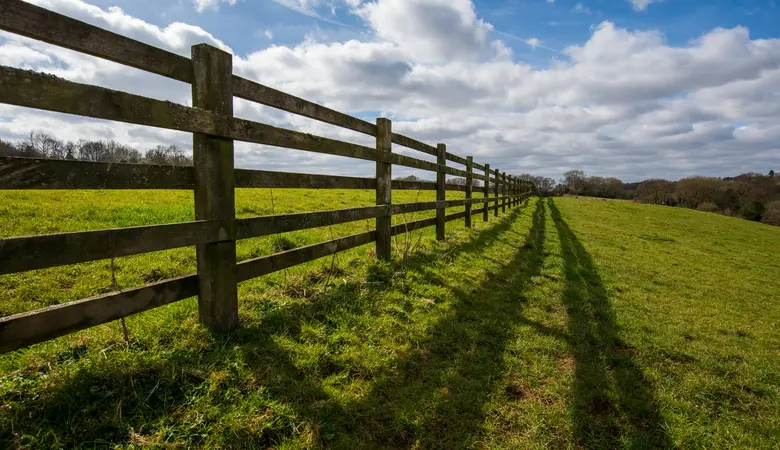
Bigger animals often need stronger solutions. Sturdy wood post-and-rail systems or special horse fencing are necessary to keep them safely contained without getting hurt. It’s also smart to think about different ways to protect livestock that do more than just contain them, like providing good shelter and checking on their health. Gates are also an important part of livestock security; they need to be as strong as the fence itself and have secure latches that animals can’t open.
Deterring Unwanted Visitors
Protecting your property isn’t just about keeping your animals contained; it’s also about keeping unwanted visitors out. This includes both people who shouldn’t be there and wild predators. Often, using a few different methods works best. A clear, well-kept boundary fence is your first defense, sending a message that the property is private.
Beyond fences, think about putting motion-activated lights around barns, sheds, and other important buildings. The sudden light can scare off predators and let you know if there’s activity on your property. Signs that say “private property” can also help deter people. If you live somewhere with a lot of predators, guardian animals like specially trained dogs, llamas, or donkeys can be an additional layer of protection.
Long-Term Durability and Maintenance
Putting up a fence or security system is just the start. To make sure it works for a long time, you have to keep up with maintenance. How durable your chosen materials are will play a big part in how much upkeep you’ll need to do. Pick materials that can handle your local weather, whether it’s intense sun, heavy rain, or strong winds. Preparing outdoor areas for changing weather conditions can also help reduce damage and extend the life of your property features.
Make it a habit to check your property’s perimeter. Walk your fence lines at least a few times a year to look for loose posts, damaged wire, or broken gate hardware. Addressing small issues early helps prevent larger security problems later. Clear away any fallen branches or overgrown plants that could weaken the fence. This is especially important for protecting livestock in a wildfire, as a clear perimeter can act as a vital firebreak. Fixing small problems quickly can prevent them from becoming larger security issues.
Being proactive about securing your land and livestock is an ongoing job. By regularly checking what you need and maintaining your systems, you can ensure a safe environment for your animals and keep your property secure for years to come.
Feature image by Crispin Jones on Unsplash.
We hope you enjoyed reading “Protecting Local Properties and Livestock”. Click here for more articles about your community.

