Valentine’s Day is more than cards, flowers and chocolates – it’s a celebration shaped by centuries of history, tradition and romance. From ancient festivals to modern-day customs, the day has evolved in fascinating ways across the world. Whether you’re a hopeless romantic or simply love a good fun fact, there’s plenty to discover.
Here are 24 interesting facts that reveal the story behind Valentine’s Day.
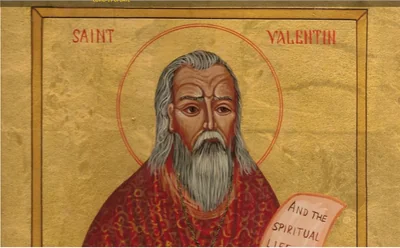
St Valentine
Firstly, people celebrate Valentine’s Day every year on 14th February. Over time, the date became closely linked with love and now marks a global celebration of romance, friendship and affection.
Originally, the day took its name from St Valentine. However, historians suggest there may have been several saints with that name, which adds mystery to its origins.
For example, when Roman Emperor Claudius II banned marriage for young men, Valentine reportedly defied the order and secretly married couples.
Historically, the holiday traces back to ancient Roman times. In particular, it grew from the festival of Lupercalia, which celebrated fertility and the coming of spring.
During the Middle Ages, Valentine’s Day gained romantic meaning. At the same time, people believed birds began mating in mid-February, which linked the date with love and courtship.
Furthermore, a famous poet helped shape the tradition. Specifically, Geoffrey Chaucer wrote about Valentine’s Day in the 14th century and strengthened its romantic reputation.
St Valentine
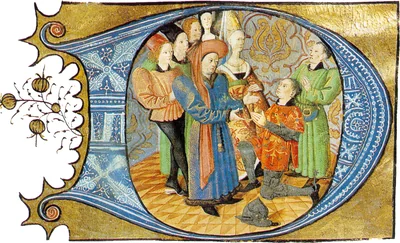
Charles, Duke of Orleans
Meanwhile, the earliest known Valentine’s message appeared in 1415. Notably, Charles, Duke of Orleans, wrote it while imprisoned in the Tower of London. Today, people exchange over 145 million cards each year. As a result, Valentine’s Day ranks second only to Christmas for card giving.
Interestingly, women buy most Valentine’s cards. In fact, they purchase around 85%, often for partners, family and friends.
Likewise, chocolate has long symbolised love. In the past, many believed it held special powers that could spark romance.
Soon after, confectioners introduced heart-shaped chocolate boxes in 1861. Consequently, gifting chocolates became even more sentimental and romantic.
Traditionally, red roses represent love. Because of this, people associate them with Venus, the Roman goddess of love.
Similarly, Cupid comes from Roman mythology. In stories, he represents desire and affection with his bow and arrow.
Charles, Duke of Orleans
Finland and Estonia
Nowadays, Valentine’s Day includes more than couples. Instead, many people celebrate friendships, family bonds and self-love.
In contrast, some countries follow different traditions. For instance, Finland and Estonia celebrate Friend’s Day rather than romance.
Meanwhile, Japan developed its own customs. There, women give chocolate to men on Valentine’s Day, and men return the favour on White Day in March.
Over time, the phrase “From your Valentine” became popular. Originally, it appeared in early love letters and anonymous cards.
Because of its symbolism, many couples choose Valentine’s Day for proposals. In addition, weddings often take place on 14th February.
Symbolically, the holiday colours carry meaning. Red represents love, pink romance, and white purity.
Finnish and Estonian flags
“Romance”
Since the 1800s, people have enjoyed love-themed sweets. Back then, confectioners used romantic messages to attract buyers.
Today, people celebrate Valentine’s Day worldwide. From Europe to Asia to the Americas, the tradition continues to grow.
Linguistically, the word “romance” has medieval roots. It developed from stories of chivalry, devotion and courtly love.
Still, not everyone celebrates with gifts. Instead, many prefer experiences, quality time or small acts of kindness.
Ultimately, Valentine’s Day centres on love. Whether romantic, platonic or self-love, the message remains the same.
We hope you enjoyed reading “January: Facts, Traditions and Curious Truths”. Click here for more of our Do You Know features.