
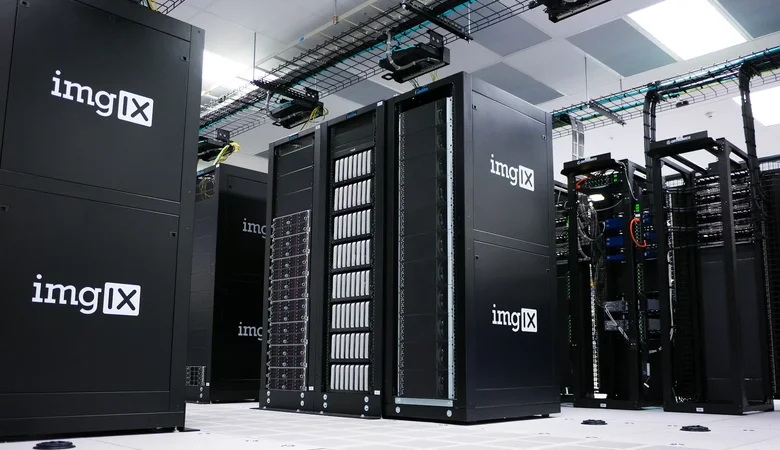
Data center cooling equipment often works harder because the building around it fails to control heat, moisture and unwanted airflow. Raising fan speeds or lowering temperature setpoints may hide the problem temporarily, but it also increases energy use and adds wear to valuable equipment. Facility teams should examine the whole thermal system, including the building envelope, before investing in more cooling capacity.
That process starts with measured temperature and airflow data. It should then consider insulation, air leakage, equipment layout and backup capacity as connected parts of the same plan.
Mechanical Cooling Has Real Limits
Cooling units can only remove heat at their rated capacity. Blocked filters, poor airflow paths and uneven rack loads reduce that capacity further. One common response is overcooling the entire room to protect a few hotspots, yet this can waste energy without fixing the underlying distribution problem. Guidance on the cost of overcooling explains how excessive cooling affects operating budgets.
Map temperatures at rack inlets and outlets under normal and peak loads. Check supply and return air temperatures as well as humidity and pressure differences. If one aisle runs hot while neighboring areas remain cold, review containment and airflow management before changing the central setpoint. Cleaning coils and replacing filters on schedule can also restore lost performance.
Eliminating Unwanted Envelope Air Leaks
Outside air entering through wall joints, roof penetrations, cable routes and poorly sealed doors creates an unpredictable thermal load. Warm, humid air may also raise the risk of condensation when it meets colder interior surfaces. During windy weather, pressure changes can make these leaks worse and cause room conditions to fluctuate.
Arrange an envelope inspection that covers service penetrations, loading entrances and junctions between walls and roofs. Smoke testing or thermal imaging can help locate hidden leakage, while pressure testing gives the project team a measurable baseline. Seal gaps with materials suited to the substrate, movement and fire performance requirements. Afterwards, repeat the same test under similar conditions. The comparison will show whether the work has reduced infiltration instead of merely covering visible cracks.

How Building Fabric Supports Mechanicals
Insulation slows unwanted heat transfer and gives cooling controls a more stable environment. Its condition matters as much as its nominal rating. Voids, damp sections and compressed material can create thermal bridges that place extra demand on mechanical systems during hot or cold weather.
Property owners and construction professionals assessing suitable cavity wall measures may consider injected foam insulation as one potential part of a long-term envelope strategy. Any product must suit the building’s wall construction, moisture behavior and applicable performance requirements. A qualified survey should come first.
Review roofs as carefully as walls because large roof areas can absorb substantial solar heat. Record surface temperatures across the day and inspect for damaged coatings, failed joints or wet insulation. Coordinate repairs with cooling upgrades so new equipment isn’t sized around envelope defects that could have been corrected.
Design for Resilient Redundancy
Redundancy should protect critical loads without forcing every cooling unit to run inefficiently at low output. A staged arrangement can rotate duty equipment, maintain stable operating hours and preserve backup capacity for maintenance or failure. Current data center industry updates can help teams track changing practices around airflow, cooling and facility design.
Test redundancy under realistic conditions. Isolate one unit during a planned exercise, then watch rack inlet temperatures, room pressure and recovery time. Confirm that backup controls start automatically and that alarms reach the correct staff. Repeat the exercise during different seasonal conditions because envelope loads change throughout the year.
Keep test records alongside maintenance histories and thermal surveys. If recovery time grows or hotspots appear earlier during each exercise, investigate airflow restrictions, control drift and building fabric deterioration before ordering additional capacity. The most useful cooling reserve is capacity that remains available when a unit is offline, not capacity already consumed compensating for preventable heat gain.
A combined thermal review can reveal where the next budget should go. When temperature mapping, envelope testing and failure simulations point to the same weak area, the case for repair becomes specific and measurable. That gives the facility team a better basis for scheduling work before the next peak-load period.
Image Credit: Unsplash
We hope you enjoyed reading “Stop Overworking Your Data Center Cooling Systems”. Click here for more articles about technology.

