
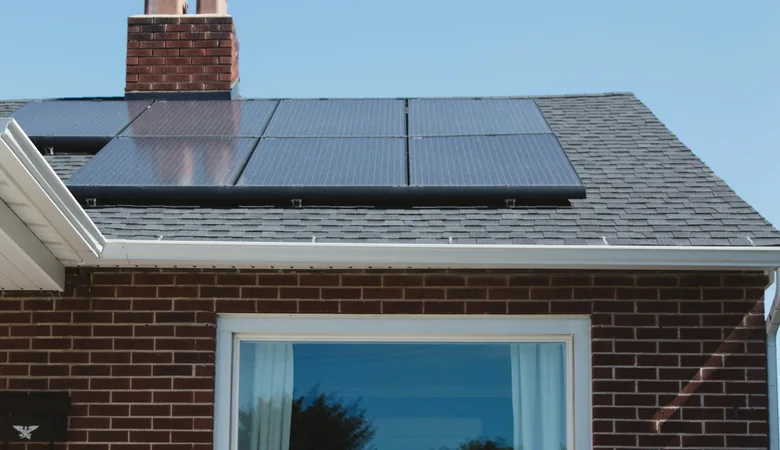
Higher energy prices have made household efficiency upgrades far more valuable than cosmetic renovations alone. A draughty room, ageing appliance or poorly controlled heating system can add to monthly costs for years. The smartest home improvements tackle those recurring expenses while making each room more comfortable and easier to manage.
Rising Utility Bills in Modern Households
Household bills reflect both energy prices and the amount of power a property wastes. Heating an empty room, leaving equipment on standby and using an immersion heater for longer than needed can all raise consumption without improving daily life.
Start by checking several months of meter readings, including winter and summer figures. This gives you a useful baseline before any work begins. Low-cost smart home upgrades such as programmable controls, connected plugs and improved thermostats can then target obvious waste. Large-scale household energy upgrades may also reduce pressure on wider electricity networks, although the linked research focuses on the US market.
Where Heat and Power Are Typically Lost
Roofs, external walls, windows and doors are common routes for heat loss. Gaps around loft hatches, pipework and older window frames can also create cold spots that prompt you to turn up the thermostat. Before considering new energy technology, arrange an insulation review and check for visible draughts.
Electricity waste is often less obvious. An old fridge may run continuously, while heated towel rails and chargers can stay active long after they’re needed. Use a plug-in energy monitor to test individual appliances over several days. Smart heating controls can help too, especially in homes where bedrooms, living spaces and home offices follow different schedules.
Investing in a Residential Solar Installation
Once you’ve reduced unnecessary consumption, rooftop solar can cover part of the electricity you still use. A suitable residential solar installation should be sized around the property’s roof, shading and normal daytime demand. Ask for a roof suitability assessment and a generation estimate based on local conditions before agreeing to any design.
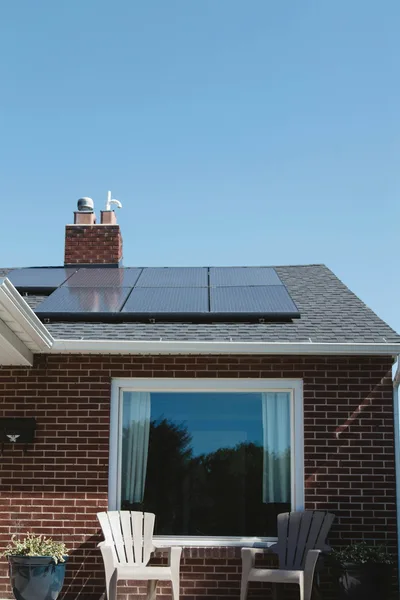
Solar panels tend to deliver more value when you can use the electricity as it’s generated. Running the washing machine, dishwasher or water heating during daylight hours can raise self-consumption. Local public buildings are taking similar steps, as shown by Tŷ Pawb’s solar panel project, which offers a useful example of energy costs being addressed through on-site generation.
Smarter Ways to Store Excess Generation
A home battery can store surplus solar electricity for use after sunset. This may suit households whose highest demand falls in the evening, when cooking, lighting and entertainment systems are all running. Battery capacity should match realistic use, however, since an oversized unit may take longer to repay its cost.
Review half-hourly smart meter data where available and note how much electricity you use between late afternoon and bedtime. Ask installers about usable battery capacity, expected cycle life, warranty terms and backup capability. Some systems can also charge during cheaper tariff periods, though the benefit depends on your tariff, usage pattern and the efficiency losses involved in charging and discharging.
Calculating Your Overall Return on Upgrades
Compare upgrades using annual savings, lifespan and maintenance costs. If loft insulation costs £1,000 and cuts bills by an estimated £200 a year, its simple payback period is five years. Use the same calculation for solar panels, batteries, heating controls and efficient appliances, but allow for component replacement and changing electricity prices.
Comfort deserves a place in the calculation too. Warmer rooms, fewer draughts and steadier temperatures provide value even when the financial return takes time. Keep quotes, warranties and monthly meter readings in one folder, then compare actual consumption with the previous year. A full 12-month comparison will show whether the renovation is delivering during both winter heating demand and brighter summer months.
We hope you enjoyed reading “Smart Home Improvements to Cut Your Energy Bills”. Click here for more articles about eco-friendly projects for your home and garden.

