

Electricity powers almost everything we do these days, from the alarm clock that gets you up to the TV you unwind with at night. Since it’s so woven into our homes, it’s easy to forget that electricity can also be pretty dangerous if we don’t use it properly. But don’t worry, taking a few simple steps can help keep your home’s electrical system safe and functional.
Understanding Common Electrical Hazards
Want a safer home? The first step is knowing what to look out for. Many common electrical dangers are easy to spot once you know the signs. Overloaded sockets and extension blocks are often the main culprits. If you plug too many high-power appliances, like your microwave, toaster, and coffee machine, into one circuit, you can overwhelm the wiring, which is a big fire risk.
Another common problem is damaged or frayed electrical cords. Cords that are squished by furniture, hidden under rugs, or show exposed wires can easily lead to shocks or even fires. Also, be mindful of extension leads, as they’re meant for temporary use. Relying on them all the time can make them overheat. Finally, always be super careful with electricity and water. Using electronic devices near sinks, bathtubs, or pools is a serious no-no, as water conducts electricity and can cause a nasty shock.
When to Call a Professional Electrician
While you might be able to handle a few small tasks yourself, many electrical issues really do need an expert. Trying to fix a complex electrical problem on your own is risky and can actually create even bigger headaches later. Some clear signs tell you it’s time to put down your tools and pick up the phone instead. For example, if your lights often flicker or dim when you turn on an appliance, that could point to a circuit problem.
Other red flags include buzzing or sizzling sounds coming from sockets, a burning smell that you can’t quite place, or circuit breakers that keep tripping. Sockets that feel warm to the touch or have scorch marks are also serious warnings. If you notice any of these things, call a qualified electrician to check out your system. Professionals have the right training and gear to safely figure out what’s wrong and make sure the repair is done right.
Essential Safety Checks for Your Home
You don’t need to be an electrical wizard to do regular safety checks that keep your home’s electrical system in good shape and help you avoid common electrical problems. Making these quick inspections part of your routine can help you catch problems early.
- Test Your RCDs: These safety devices protect you from electric shocks and are commonly found in homes. Test your RCD regularly, following the manufacturer’s instructions, to make sure it’s working properly. If it doesn’t trip when tested, have a qualified electrician check it.
- Check Your Cords: Take a quick look at all your appliance and extension leads. Do you see any cracks, frayed spots, or other damage? If a cord looks bad, stop using it right away.
- Don’t Overload Sockets: Double-check that you’re not plugging too many things into one socket or extension block. For electronics, use extension blocks with built-in surge protection. Following these basic electrical safety tips can really cut down on everyday risks.
- Use the Right Bulbs: Make sure each light fixture has a light bulb with the correct wattage. Using a bulb that’s too powerful can overheat the fixture and its wiring.
Protecting Your Family and Property
Beyond technical checks, electrical safety is also about building good habits for everyone in your home. Teaching your family, especially kids, is one of the best ways to prevent accidents. Show children not to put anything into electrical sockets and to keep electronics far away from water. For little ones, those plastic safety caps for unused sockets add an extra layer of protection.
It’s also smart to have an emergency plan. Test your smoke alarms regularly and change the batteries according to the manufacturer’s instructions. Keeping a fire extinguisher handy in the kitchen and knowing how to use it is another clever precaution. Preventing electrical fires is a shared responsibility for every homeowner. By mixing regular upkeep with smart habits, you create a much safer place for everyone.
Making electrical safety a priority doesn’t take much time, but it does take a little attention. Being mindful of how you use electricity and knowing when to call for help can protect your home and loved ones from avoidable dangers.
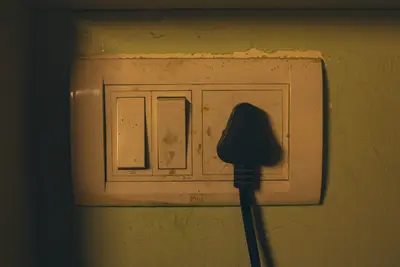
Feature image by Clint Patterson on Unsplash.
We hope you enjoyed reading “Keeping Your Home Safe: Electrical Safety Tips for Everyone”. Click here for more articles about your home and garden.

