

A well-cared-for boiler provides reliable heating, keeps hot water flowing and reduces the chance of an expensive breakdown. Most boiler care is straightforward, but homeowners need to know which checks they can safely complete and which tasks require a qualified engineer. A regular routine also makes unusual noises, pressure changes and heating problems easier to spot before they become serious.
The Importance of Regular Servicing
Arrange an annual boiler service even if the system appears to be working normally. During the appointment, an engineer can inspect key components, check operating pressure and confirm that the boiler is running safely. The visit may also identify worn seals or early corrosion before either causes a breakdown.
Keep the service record with your household documents, especially if the boiler remains under warranty. Some manufacturers require evidence of yearly servicing for warranty claims.
Your home should also have a working carbon monoxide alarm near the boiler. Test it regularly and replace its batteries or the whole unit according to the manufacturer’s instructions.
Signs Your Boiler Needs Attention
Small changes often provide the first warning of a developing fault. Listen for banging, whistling or gurgling noises and note any sudden increase in the time needed to warm your rooms. Cold patches on radiators may indicate trapped air or sludge, while repeated pressure loss could point to a leak or internal problem.
If the boiler switches itself off, displays an unfamiliar fault code or stops providing consistent hot water, check the user manual but don’t remove the casing. A qualified plumber can inspect the system, identify the cause and carry out any necessary repair or servicing. Never ignore water collecting beneath the unit, scorch marks or unusual smells.
When to Call a Professional
Call a heating professional when a problem continues after basic checks such as confirming the thermostat settings and checking whether the boiler has power. Engineers should also deal with recurring pressure drops, internal leaks, damaged controls and fault codes that return after a reset.
Treat possible carbon monoxide exposure as an emergency. Symptoms can include headaches, dizziness, nausea and confusion. Leave the property, get into fresh air and seek urgent advice. Don’t return to use the boiler until a qualified professional has declared it safe.
For routine visits, ask what the quoted price covers and whether replacement parts carry a guarantee. Confirm that anyone working on a gas boiler holds the required registration and is qualified for that appliance type.
Maximising Efficiency and Lifespan
Set the heating controls around your actual daily routine. Lowering the thermostat slightly and avoiding unnecessary heating in an empty home can reduce energy use without leaving occupied rooms uncomfortable. Keep furniture and curtains away from radiators so warm air can circulate freely.
Check the pressure gauge occasionally when the system is cold. The correct range varies, so follow the figure in your boiler manual instead of guessing. Bleed radiators only when needed and repressurise the system exactly as instructed.
Keep the boiler area clear, but don’t block ventilation openings or store household items against the casing. Regular servicing, prompt repairs and sensible controls can help a boiler work efficiently for longer. Put the next service date in your calendar while the latest visit is still fresh, then keep the engineer’s report somewhere easy to find.
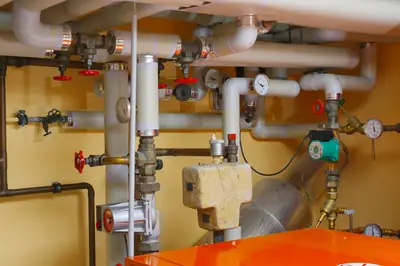
Feature image by Umberto on Unsplash.
We hope you enjoyed reading “What Homeowners Need to Know About Boiler Care”. Click here for more articles about your home and garden.

