
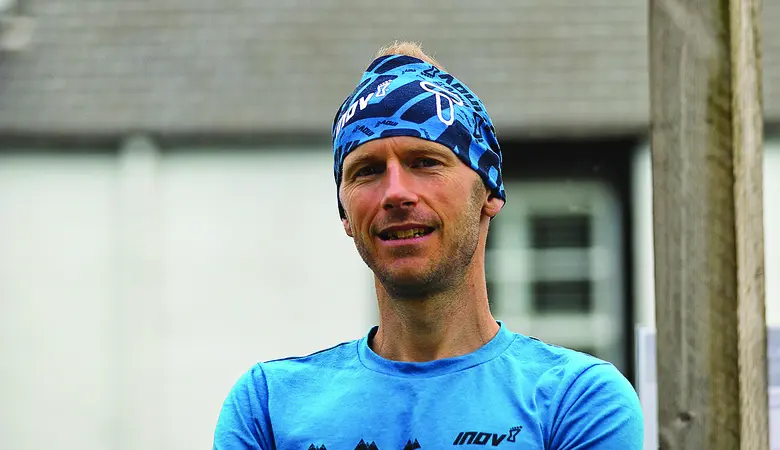
In his thought-provoking book Run Forever, Damian Hall, supported by a number of expert colleagues, encourages readers to keep running for life. The book captures the guiding idea in one striking line: “We don’t stop running because we get old, we get old because we stop running.”
Ageing Well Through Running
Hall and his co-authors don’t pretend that you can avoid ageing effects such as declining cognition, hearing, vision or memory altogether. Instead, his central argument is that treating “running as health” can help counteract age-related decline.
He backs this up with practical scenarios showing how, even at 50 and 60, people can make real progress in physical and mental health. This aligns with research on parkrun participants, who report improved times, stronger friendship groups and reduced isolation.
Hall acknowledges that speed, endurance and recovery inevitably decline through our forties, fifties and sixties, but argues you can meet this head-on by addressing strength, stamina, joint mobility and body composition.

Training Smart, Not Just Hard
A standout section, “Stronger for Longer” by Peter Staples, highlights resistance training for leg and upper-body strength. Since most people lose muscle mass from their forties onward, Staples recommends squats, heel raises and step-ups for those returning to running.
More experienced runners benefit from quad-building exercises such as leg thrusts and box jumps, alongside upper-body weight training. Varied patterns – shuttle runs, fartlek and backwards running – also help reduce injury risk, alongside Cooper’s 12-minute walk-run test as a benchmarking tool.
Staples warns against muscle fatigue from excessive repetitions or skipping warm-ups before reverse pyramid workouts. Clear photographs support the advice throughout, and newcomers are urged to seek guidance on technique and footwear to avoid injuries such as shin splints.
We hope you enjoyed reading “Run Forever: Keep Running for Life”. Click here for more articles about Books.

Author: John Morris for Love Wrexham Magazine
John is an FA coach. He has worked with young players at Fulham, Chelsea, QPR and Wrexham, promoting resilience, tenacity and self-discipline. He is currently a consultant addressing growth mindsets to promote sports, education, and business performance.
