

Adopting a more sustainable lifestyle is becoming a priority for many of us who want to protect our environment for future generations. The good news is you don’t need to completely change your life overnight. Meaningful change often starts with a series of small, thoughtful decisions that, when put together, create a significant positive ripple effect.
Every choice matters, from the products we buy to how we power our homes. This guide looks at practical steps you can take to embrace sustainability, showing how small adjustments in your daily routine, both at home and in your community, can make a big impact.
Everyday Habits for a Greener Planet
The journey towards sustainability often begins with rethinking our daily routines. Many of the most impactful changes are simple swaps and shifts in mindset that cut down on waste and save resources.
One of the easiest places to start is by tackling single-use plastics. This means carrying a reusable water bottle, keeping a tote bag handy for shopping trips, and remembering your reusable coffee cup when you visit your favourite cafe. These actions stop plastic from ending up in landfills and oceans.
Another powerful habit is mindful consumption. Before you buy something, ask yourself if you truly need it. Can you borrow it, repair what you already have, or find it second-hand? This approach not only saves you money but also reduces the demand for new production, which uses huge amounts of energy and raw materials. Embracing a “buy less, choose well” philosophy is a core part of sustainable living.
Finally, think about your food habits. A lot of household waste comes from food. Planning meals, using leftovers creatively, and composting scraps can dramatically reduce what you throw away. Plus, choosing local and seasonal produce supports local farmers, cuts down on food miles, and ensures you’re eating food at its freshest.
These small, everyday habits collectively lessen your environmental footprint without requiring huge changes to your lifestyle.
The Evolution of Home Heating
For decades, most homes in the UK have relied on gas or oil boilers for warmth. While these systems have been the standard, they burn fossil fuels, which releases carbon dioxide into the atmosphere and contributes to climate change.
As we become more environmentally conscious, the focus is shifting towards cleaner, more efficient ways to heat our homes. Home heating is quickly moving towards renewable technologies that work with the planet, not against it.
One of the leading innovations here is the air source heat pump. Instead of making heat by burning fuel, a heat pump works like a refrigerator in reverse. It cleverly pulls latent heat from the air outside, even on a cold day, compresses it to raise its temperature, and then transfers it inside to warm your home and hot water. This process is incredibly efficient, often producing three to four units of heat for every single unit of electricity it uses.
Switching to a renewable system is a big step towards a greener household. The government is actively encouraging this transition through initiatives like the Boiler Upgrade Scheme, which offers grants to help homeowners cover the initial costs.
If you’re thinking about this upgrade, talking to professional heat pump installers is the best way to understand what your property needs and the potential long-term savings. By adopting these modern heating solutions, you not only reduce your home’s carbon emissions but also future-proof it against rising fossil fuel prices.
Reducing Your Carbon Footprint at Home
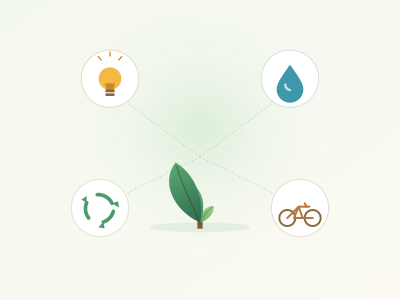
Beyond heating, there are many other ways to reduce your carbon footprint right in your own home. Energy conservation is a key area where small changes lead to big results.
Get into the habit of switching off lights when you leave a room and unplugging electronics when they’re not in use, as these little home changes can make everyday living feel softer. Many devices use “phantom” power even on standby, so turning them off at the wall can make a noticeable difference to your electricity bill. When it’s time to replace appliances, look for models with high energy-efficiency ratings, as these use much less power over their lifespan.
Water is another precious resource we often take for granted. Simple actions like taking shorter showers, turning off the tap while brushing your teeth, and only running the dishwasher or washing machine with a full load can save hundreds of litres of water each year. If you have a garden, installing a water butt to collect rainwater for your plants is an excellent way to reduce how much tap water you use, especially during drier months.
Effective waste management is also crucial. Take a moment to make sure you’re recycling correctly according to your local council’s guidelines. Putting the wrong materials in a recycling batch can mean the entire load ends up in landfill.
Consider setting up a home composting system for fruit and vegetable peelings, coffee grounds, and garden waste. This not only diverts waste from landfill, where it would produce methane, but also creates nutrient-rich compost for your garden, completing a natural cycle.
Community Initiatives for Sustainability
While individual actions are powerful, their impact grows when we work together as a community. Local initiatives offer fantastic opportunities to connect with like-minded neighbours and contribute to a healthier local environment. Many towns and villages have community gardens where residents can grow fresh produce together, sharing skills and building a stronger sense of community. These projects cut food miles to zero and provide access to healthy, affordable food.
Another growing movement is the rise of Repair Cafes. These are free meeting places where people can bring broken items, from electronics to clothing, and work with volunteer experts to fix them. This collaborative effort saves items from landfill, challenges our throwaway culture, and passes on valuable repair skills.
Similarly, supporting local businesses that prioritise sustainability helps build a green local economy. Look for shops that offer refills for household products, source their goods ethically, or use minimal packaging.
The concept of a sharing economy is also gaining traction. Instead of everyone owning a lawnmower or a power drill that sits unused most of the time, communities can set up tool libraries where residents can borrow items as needed. Car-sharing schemes and local lift-sharing groups also help reduce the number of vehicles on the road, cutting traffic congestion and air pollution. Getting involved in these initiatives shows how sustainability in daily life can build stronger, more resilient communities for everyone.
Embracing a more sustainable way of living is a journey of continuous improvement, not a quest for perfection. Every conscious choice, from using a reusable bag to upgrading your home’s heating system, is a step in the right direction. By starting small and building momentum, we can collectively create a healthier planet for ourselves and for generations to come.
Feature image taken from Unsplash.
We hope you enjoyed reading “Sustainable Living: Small Changes, Big Impact”. Click here for more articles about sustainable living.

