
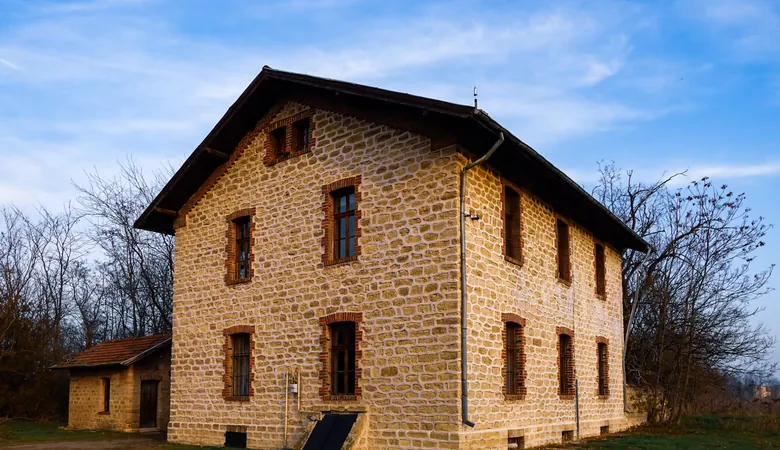
Older buildings often need careful repair because their materials respond differently from modern construction products. A stained stone wall or crumbling brick joint may appear to need a quick clean and patch, but an aggressive treatment can remove original detail or trap moisture beneath the surface.
A slower, material-led approach protects both the building and the character it brings to its street. Before work begins, owners should identify the masonry, investigate the cause of staining, and choose a treatment suited to the building’s age and condition.
Preserving Community Architecture
Historic buildings give neighborhoods a visible link to earlier generations. Their stonework, brick patterns, and decorative details often reflect local materials and building traditions that would be expensive or impossible to reproduce today. The principles of historic preservation show how retaining these features can support community identity while keeping useful buildings in service.
Maintenance also contributes to wider neighborhood resilience. As this article on building stronger homes explains, well-maintained properties help create communities that can respond better to future pressures.
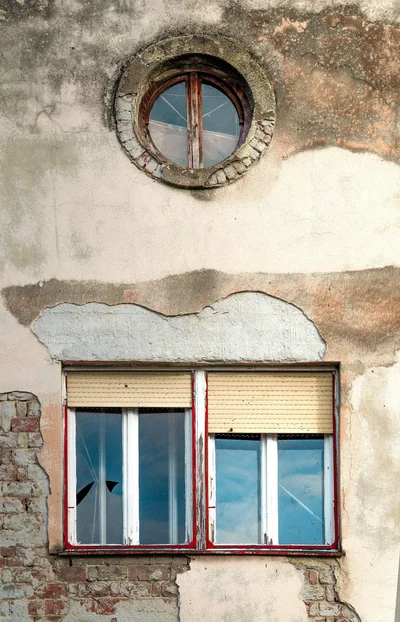
Start with a visual survey. Photograph cracks, dark patches, loose mortar, and flaking surfaces so changes can be compared over several months. Repeated damp marks may point to leaking gutters or damaged flashing, while green growth near ground level can indicate poor drainage.
The Risks of Abrasive Treatments
Fast cleaning methods can make masonry look brighter at first, yet excessive pressure or harsh abrasion may strip away the protective outer face of brick and stone. Once that surface is damaged, the material can absorb more water. Fine carved details, lettering, and crisp brick edges may also be lost permanently.
Test any proposed treatment on a small, inconspicuous area and inspect it after the wall has dried. The sample should show whether the process changes the color, texture, or sharpness of the masonry. Professional stone cleaning may be appropriate when a property owner needs to remove paint coatings, graffiti, moss, or embedded dirt while protecting the underlying surface.
Cleaning should also wait until the source of staining has been addressed. Otherwise, the same marks may return within one season.
Gentle Methods That Protect Masonry
Begin with the least intensive method that can produce an acceptable result. Soft natural-bristle brushes and carefully controlled water can sometimes remove loose surface dirt. More persistent deposits may require specialist low-pressure systems, but the correct temperature, distance, and exposure time depend on the material.
Mortar deserves equal care. Many older walls were built with softer, breathable mortar that allows moisture to escape through the joints. Dense replacement material can force moisture into the surrounding brick or stone, leading to cracked faces during cold weather. A contractor should examine existing joints and match their physical properties as closely as possible.
Ask for a written method statement before approving work. It should identify the surface, cleaning process, test area, and measures used to protect windows, plants, and neighboring properties. Avoid anyone who recommends one standard treatment without first inspecting the building.
Extending Exterior Lifespans
Regular inspections catch small defects before they spread. Check exterior walls twice a year, ideally after winter and again after a period of heavy rain. Look for overflowing gutters, open mortar joints, blocked drains, and vegetation touching the masonry. A leaking downpipe left through several wet months can create a far larger repair than the original fitting would have cost.
Good old building restoration combines sensitive repair with ongoing maintenance. Keep dated photographs and records of products used, particularly if several contractors work on the property over time. This information helps future specialists avoid incompatible treatments.
Allow cleaned masonry to weather naturally as well. An older facade may retain slight color variation after safe cleaning, and that variation is part of its history. The best result is a sound, breathable exterior with its original texture still visible, ready to remain part of the street for decades to come.
Image Credit: Unsplash
We hope you enjoyed reading “Why Older Buildings Deserve More Than a Quick Fix”. Click here for more articles about your home and garden.

