
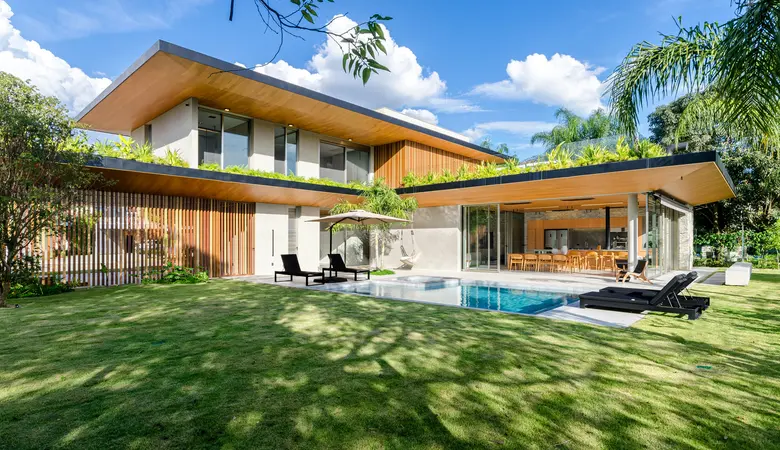
Creating a home that lasts isn’t just about strong foundations and a sturdy roof. These days, future-proofing your property means embracing sustainability. A green home isn’t just a passing trend; it’s a smart investment that benefits your wallet, your well-being, and the planet in the long run. By making thoughtful choices about design, materials, and technology, you can build a living space that’s efficient, comfortable, and resilient for years to come.
Why Green Homes Matter
People are increasingly choosing greener living spaces because they’re more aware of our environmental impact and want healthier, more affordable homes. A green home uses resources like energy and water more efficiently, which directly leads to lower utility bills. This focus on sustainable construction also significantly cuts down a property’s carbon footprint over its lifetime.
Beyond saving money and helping the environment, eco-friendly homes often offer a healthier living environment, especially when built with sustainable building materials. Using non-toxic materials and better ventilation systems can improve indoor air quality, reducing the chance of respiratory issues and allergies. As more homebuyers prioritise sustainability, these properties also tend to have higher market value and appeal, making them a wise long-term asset.
The Benefits of a New Build
While upgrading an older house with green features is a good start, it can involve compromises and unexpected complications. Starting fresh lets you weave sustainability into the very core of your home. A new build gives you complete control over the layout, orientation, and materials, making sure every part works together for maximum efficiency.
This approach works especially well for those who love their current location but not their old, inefficient house. Choosing a knockdown rebuild means you can build a brand-new, eco-conscious home perfectly suited to your needs without the hassle of moving. Right from the start, you can include passive design principles and the latest green technologies, creating a home truly built for the future.
Eco-Friendly Building Materials
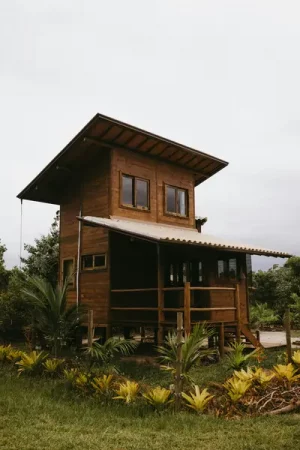
The materials you use to build your home significantly affect its overall sustainability. Luckily, there’s a growing variety of innovative and eco-friendly options available. These materials often come from renewable or recycled sources and need less energy to produce. Some popular choices include:
- Bamboo: This fast-growing grass regenerates quickly, making it a highly renewable alternative to traditional hardwoods for flooring and cabinets.
- Reclaimed Wood: Using salvaged timber from old buildings not only prevents waste but also adds unique character and history to your home.
- Cork: Harvested from the bark of cork oak trees without harming them, cork is an excellent insulator and naturally resists mould and mildew.
- Recycled Steel: Produced with much less energy than new steel, it offers incredible strength and durability for framing.
Innovation in this area is constant. Researchers are even developing living building materials that can self-heal and adapt to environmental changes, promising an even more sustainable future for construction.
Designing for Energy Efficiency
A smart design can drastically cut your home’s energy use before you even turn on a light. This practice, called passive design, uses natural elements to heat, cool, and light your home. A key part of this is the building’s orientation. Positioning the main living areas and windows to face the sun helps you get the most natural light and capture solar heat in winter. This reduces how much you rely on artificial heating and lighting.
High-performance insulation is another crucial element. Properly insulating the walls, roof, and floors creates a tight thermal envelope that keeps your home warm in winter and cool in summer. This should go hand-in-hand with energy-efficient double or even triple-glazed windows that stop heat from escaping. Strategic window placement and overhangs can also provide shade during the hottest parts of the day, helping to keep the inside cool without air conditioning.
Smart Home Technology Integration
Modern technology offers powerful tools for managing and reducing your home’s energy use. Integrating smart home devices can automate efficiency, giving you more control over your consumption and helping you avoid waste. Smart thermostats, for example, learn your daily routines and adjust the heating automatically, so you’re not warming an empty house.
Smart lighting systems using energy-efficient LED bulbs can be set to turn off when a room is empty or dimmed based on the time of day. Perhaps most effectively, home energy monitors give you real-time data on your electricity usage. This insight helps you see which appliances use the most power and make informed changes to your habits, leading to real savings and a smaller environmental footprint.
Ultimately, building a sustainable property means making a series of thoughtful choices that together create a big impact. It’s an investment that pays off in comfort, cost savings, and the knowledge that your home is helping create a healthier planet.
Feature image by Ronaldo Rizzutti on Unsplash.
We hope you enjoyed reading “Sustainable Living: Future-Proofing Your Property”. Click here for more articles about your home and garden.

