
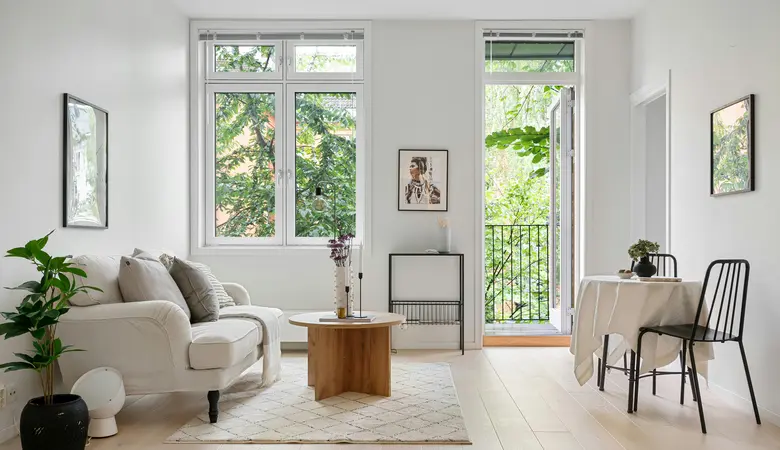
We spend a lot of our lives indoors, whether at home or at work. We often worry about outdoor pollution, but the air quality inside our buildings can actually have an even bigger impact on our health, comfort, and general well-being. Good ventilation is essential for a healthy indoor environment, making sure there’s always fresh air coming in and stale, polluted air going out.
Why Indoor Air Quality Matters
The air inside can actually be more polluted than the air outside. That’s because enclosed spaces can trap and concentrate pollutants from all sorts of sources. Common culprits include volatile organic compounds (VOCs) from furniture, paint, and cleaning products, along with dust mites, pet dander, and mould spores. Without proper airflow, these contaminants just build up over time. Poor indoor air quality has been linked to everything from headaches and fatigue to more serious breathing problems and allergies. Understanding the importance of ventilation systems is the first step to making your home a healthier place for you and your family.
Natural vs. Mechanical Ventilation
There are two main ways to ventilate a home: naturally and mechanically. Natural ventilation is the simplest and cheapest option; you just open windows and doors to let fresh air move through. This relies on natural forces like wind and temperature differences to push air in and out. While it works, it can be inconsistent and might not be practical during bad weather or in noisy, polluted city areas.
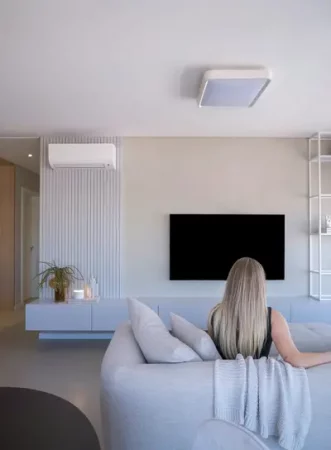
Mechanical ventilation, on the other hand, uses fans and ducts to actively move air. This covers everything from simple extractor fans in kitchens and bathrooms to more complex whole-house systems. These systems give you consistent, controlled airflow no matter what’s happening outside. Modern systems like heat recovery ventilation (HRV) can even capture heat from the air going out to warm up the fresh air coming in, which saves energy. For controlling both temperature and air quality, a well-kept air conditioning system also plays a big part in circulating and filtering indoor air.
Keeping Your Air Clean and Fresh
Beyond good ventilation, you can adopt several simple habits to improve the air you breathe at home. Regular maintenance also plays a big part, especially when it comes to filters, airflow, and everyday energy use. Simple home updates that improve comfort and efficiency can support cleaner indoor air while helping your systems work more smoothly.
- Use extractor fans: Always turn on the extractor fan when you’re cooking or showering. This helps get rid of moisture, smells, and pollutants right at the source before they spread.
- Clean regularly: Dusting with a damp cloth and vacuuming often helps pick up dust, pet dander, and other allergens. For the best results, choose a vacuum with a HEPA filter.
- Choose low-VOC products: When you’re decorating or buying new furniture, look for items labelled as low-VOC or zero-VOC to cut down on chemical fumes.
- Introduce houseplants: Some indoor plants are known for cleaning the air, helping to filter out common toxins and release fresh oxygen.
Humidity Control for Comfort
Ventilation isn’t just about getting rid of pollutants; it’s also vital for managing humidity levels inside. Too much humidity, often from things like cooking, showering, and drying clothes indoors, can lead to condensation and mould. Mould doesn’t just damage your property; it also releases spores that can trigger allergies and breathing issues. On the flip side, air that’s too dry can cause dry skin, irritated sinuses, and static electricity. A well-ventilated home helps keep humidity balanced, ideally between 30-50%, which is both comfortable and healthy. This makes your living space more pleasant and protects both your health and your home’s structure.
Signs of Poor Indoor Ventilation
It’s important to spot the warning signs that your home might not have enough airflow. Knowing these indicators can help you act before problems get worse. One of the clearest signs is constant condensation on windows, especially in the morning. This tells you that too much moisture is trapped inside. Other common signals include a stuffy feeling or lingering smells from cooking or pets. You might also notice mould or mildew showing up in corners, on walls, or around window frames, often with a musty smell. Frequent headaches, allergy flare-ups, or just feeling tired when you’re at home can also be subtle clues that your indoor air quality isn’t good.
Paying attention to your home’s ventilation helps you create a healthier, more comfortable, and more enjoyable place to live. Whether through simple habits or mechanical systems, making sure there’s a steady flow of fresh air is a fundamental part of modern, healthy living.
Feature image by Lisa Anna on Unsplash.
We hope you enjoyed reading “The Role of Ventilation in Healthy Living Spaces”. Click here for more articles about your home and garden.

