
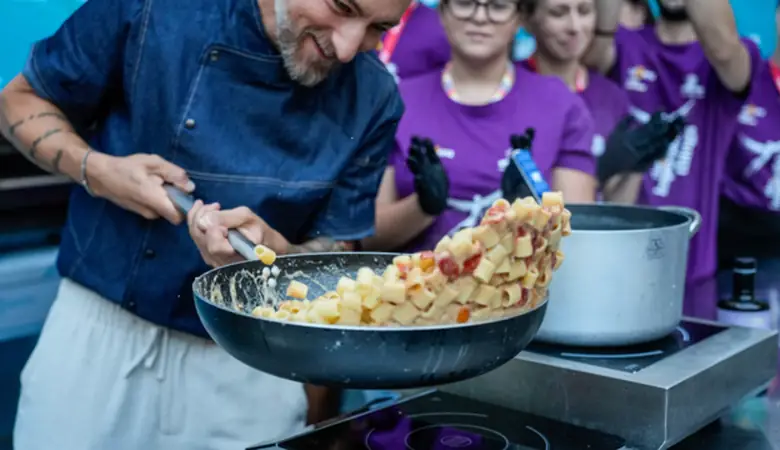
Live culinary events bring recipes to life in a way that books and videos rarely match. You can watch a sauce change texture, hear why a chef adjusts the heat and smell ingredients as they begin to caramelise. That mix of practical detail and shared enthusiasm often sends visitors home keen to try something new, even if it’s simply a different seasoning for Sunday lunch.
The Power of Watching Expert Chefs
A live demonstration reveals the small decisions hidden between the lines of a recipe. You see how finely an onion is chopped, how often a pan is stirred and what “golden” actually looks like. Chefs also explain how to recover from common problems, such as a split sauce or pastry that feels too warm.
Pay close attention to how chefs organise their work. Professional cooks often prepare ingredients in advance, a practice known as mise en place, so they can focus on timing once cooking begins. The Festive Good Food Show offers food enthusiasts an opportunity to explore seasonal cooking inspiration and discover new ideas for their own kitchens through the event’s programme of food experiences and demonstrations.
Take brief notes on methods, temperatures and visual cues. Those observations are usually more useful at home than trying to copy every ingredient exactly.
Discovering Flavour Combinations
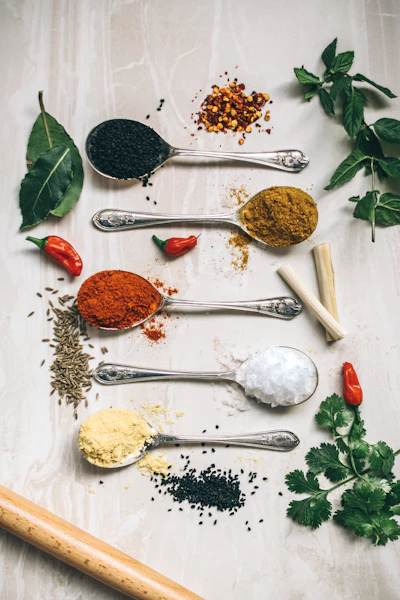
Food gatherings encourage you to taste ingredients outside your usual shopping list. A sample may introduce you to pear with blue cheese, roast squash with sage or dark chocolate with sea salt. Since the portion is small, you can explore an unfamiliar pairing without buying a cupboard full of products first.
Flavour becomes easier to understand when you think in terms of salt, sweetness, acidity, bitterness and savoury depth. The principles of flavour pairing can help you identify why combinations work and suggest sensible substitutions. If lemon lifts a rich dish, for example, a mild vinegar may produce a similar balancing effect.
Record three parts of each tasting: the main ingredient, the contrasting flavour and the texture. “Apple, sharp cheese, toasted walnut” gives you a practical starting point for a salad, toast topping or simple lunch.
Immersive Winter Food Gatherings
Winter events have a particular energy because visitors are already thinking about comforting meals, family tables and festive baking. Live aromas and colourful displays can make familiar seasonal ingredients feel fresh again. You might spot a quicker way to prepare root vegetables or discover that a favourite pudding works well in individual portions.
Local food celebrations inspire too. This account of highlights from the Wrexham Food and Drink Festival shows how varied producers and dishes can turn a day out into a source of future meal ideas.
Keep tasting portions modest and pause between samples so individual flavours remain clear. Photos of menus or display labels can also help, provided the exhibitor allows them. Add one sentence to each photo explaining what caught your attention, such as a spice blend, garnish or serving style.
Bringing Professional Tricks Home
Choose one or two techniques to test after the event. Trying to recreate an entire demonstration at once can make an enjoyable idea feel like a major project. A smaller experiment, such as browning butter for biscuits or resting cooked food before serving, makes it easier to judge what changed.
Set up your worktop before turning on the hob. Measure ingredients, place utensils within reach and prepare a bowl for peelings. This keeps the cooking area calmer and gives you more attention for heat and timing.
Presentation tricks can be simple. Warm plates for hot dishes, use a spoonful of sauce instead of flooding the plate and add fresh herbs at the end so they keep their colour. Even an everyday bowl of soup feels more inviting with a neat swirl of yoghurt and a little toasted seed mixture.
The best event-inspired recipe fits your normal kitchen and earns a place in your routine. Start with the flavour or technique you remember most clearly, then write down any adjustments that make it work for your oven, budget, and household.
Image Credit: Unsplash
We hope you enjoyed reading “Why Live Culinary Events Spark Fresh Kitchen Ideas”. Click here for more articles about food.

