
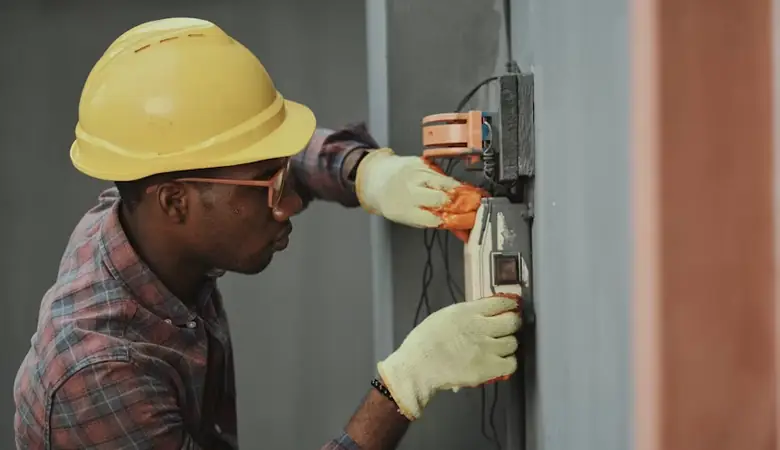
Electrical emergencies can develop quickly, but a calm response can reduce the risk of injury, fire and further property damage. Warning signs often appear before a serious incident, so knowing what to look for matters. Every household and workplace should also know where the electrical panel is located, how to leave the building safely and who to contact when a fault requires urgent attention.
The guidance below covers common warning signs and practical first steps. Never attempt electrical work unless you’re properly qualified, and keep a safe distance from damaged equipment, exposed wiring and areas affected by water.
Recognizing Urgent Electrical Signs
Some electrical problems are obvious, such as visible sparks or a sudden loss of power. Others develop slowly and may be mistaken for minor annoyances. Frequent breaker trips, flickering lights, and outlets that feel unusually warm can all point to overloaded circuits, loose connections or damaged components.
Treat a burning smell as urgent, particularly when it resembles melting plastic and appears near an outlet, appliance or electrical panel. Discoloration, scorch marks and buzzing or crackling noises also require prompt action. The same applies to a mild tingling sensation when touching a switch or appliance. Stop using the item and avoid touching it again until a professional has inspected it.
SafetyCulture’s guide to common electrical hazard examples includes damaged insulation, exposed conductors and overloaded circuits. These risks can occur in ordinary settings. A phone charger with a split cable, for example, may expose internal parts, while several high-demand appliances connected to one extension cord can generate excessive heat.
A power outage limited to one room or one property may indicate an internal fault. Check whether nearby homes or streetlights still have power, but don’t repeatedly reset a breaker that trips again. The breaker may be responding to a persistent problem. Keep family members, coworkers and pets away from the affected area while you assess the situation from a safe distance.
Immediate Steps for Electrical Hazards
Your first priority is to move people away from danger. If you see smoke, flames, active sparking or extensive damage, leave the building and contact emergency services from a safe location. Don’t stop to gather belongings or investigate the source.
If conditions are dry and you can reach the electrical panel without approaching damaged wiring, smoke or heat, switch off the main supply. Never enter standing water to access a panel or appliance. The CDC electrical safety guidance advises treating wet electrical equipment and fallen lines as serious hazards, particularly following storms or flooding.
Do not touch someone who is still in contact with an electrical source. Direct contact could expose you to the same current. Shut off the supply if it’s safe to do so, call emergency services and follow the operator’s instructions. First aid should begin only after the source has been isolated and the area is safe.
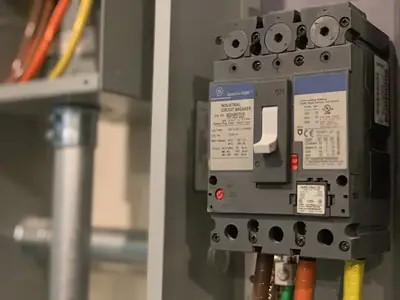
For urgent faults affecting a Central Coast home or business, a 24-hour emergency electrician can investigate live faults, carry out emergency wiring repairs and address storm damage or complete power loss. Explain what you saw, heard and smelled when making the call. Mention any water exposure, recent electrical work and the sequence of events.
Avoid using water on an electrical fire. Leave the area, close doors behind you if possible, and wait for trained responders. Even when smoke or sparking stops, keep the circuit isolated because hidden heat or damaged insulation may still pose a danger.
When to Call for Professional Help
Call a licensed professional if you see signs of heat, damaged wiring, recurring breaker trips, electric shocks, or unexplained power loss. A single light bulb failing usually has a simple cause. However, several lights dimming when an appliance starts may indicate a circuit or supply problem that needs testing.
Urgent professional help is also appropriate when:
- An outlet, switch or electrical panel smells burnt
- You hear buzzing, popping or crackling from fixed wiring
- Water has entered an outlet, ceiling fitting or electrical panel
- A breaker trips immediately after being reset once
- Storm damage has affected cables or equipment
- Part of the property loses power without an obvious local outage
Don’t remove panel covers, open outlets or attempt temporary wiring repairs. Electrical faults can remain live even when a nearby switch is off. A qualified electrician has test equipment to identify the affected circuit and confirm that it has been safely isolated.
Give the electrician useful details before arrival. Describe the location of the problem, what equipment was operating and whether the fault is continuous or intermittent. If you can do so without returning to the hazard, note which breaker tripped. Photos taken from a safe distance may help, but personal safety comes first.
Electrical injuries can also require medical assessment. Burns may look small on the skin while deeper tissue has been affected. Contact emergency medical services after a significant shock, loss of consciousness, chest pain, breathing difficulty or any injury involving a child. Follow professional medical advice even when the person initially says they feel fine.
Preventing Future Electrical Issues
Regular observation catches many problems before they become emergencies. Once a month, look over accessible cords, plugs and power strips for cracks, discoloration or loose connections. Replace damaged items instead of covering split insulation with household tape. Keep cords away from hot surfaces, doorways and places where furniture can crush them.
Use extension cords only as temporary solutions and check their rated capacity. High-demand appliances should connect directly to a suitable wall outlet. If a room depends on several power strips because it lacks enough outlets, ask a licensed electrician about adding properly placed circuits. Don’t connect one power strip to another.
The electrical safety advice from Bartlett Electric Cooperative also highlights everyday precautions such as keeping electrical equipment away from water and using outlet covers where young children are present. Outdoors, choose equipment designed for exterior use and bring portable items inside when severe weather approaches.
Households should know which switches control major circuits and where the main electrical panel is located. Label unclear breakers after they have been correctly identified, then keep the space in front of the panel unobstructed. Store emergency contact details somewhere everyone can access, including without internet service.
Professional Inspections
Periodic professional inspections are sensible for older properties, recently purchased homes and buildings that have undergone renovations. Arrange an inspection sooner if outlets are loose, lights flicker, or the electrical panel shows rust, heat damage or signs of moisture. After severe weather, check the property visually from a safe location and report damaged external lines to the appropriate utility provider.
A broader home safety routine also helps residents notice connected risks involving alarms, appliances and overloaded outlets. These home electrical safety tips offer useful reminders for keeping common household hazards under control.
An electrical emergency is easier to handle when everyone knows the basic plan. Keep access to the main panel clear, make emergency numbers easy to find and agree on a safe meeting place outside the property. If heat, smoke, sparking or water is involved, leave the area and let trained professionals deal with the fault.
Feature image by Emmanuel Ikwuegbu on Unsplash.
We hope you enjoyed reading “Community Safety: What to Do in an Electrical Emergency”. Click here for more articles about safety and security involving electrical work.

